
Fees & Rates
What Does Dual Pricing Mean? A Complete Merchant Guide
If you are tired of losing 3% or more of every sale to credit card processing fees, dual pricing might be the solution your small business needs to stay profitable.

What does dual pricing mean for a small business owner trying to keep their doors open in a competitive market? Simply put, dual pricing is a payment model where a business displays two different prices for every item: a lower price for customers who pay with cash and a slightly higher price for those who choose to pay with a credit card. Unlike traditional processing where the business eats the cost of the swipe, dual pricing allows the merchant to maintain their full margin regardless of how the customer chooses to pay.
What Does Dual Pricing Mean for Your Bottom Line?
For most small businesses, credit card processing fees are one of the top three highest expenses, right behind rent and payroll. When you ask, "what does dual pricing mean for my bank account?" the answer is usually a 90% to 100% reduction in processing costs. Instead of receiving a massive bill at the end of the month from your merchant services provider, the cost of the transaction is covered by the customer who chooses the convenience of using a card.
Think about a typical $100 sale. In a standard setup, you might only see $96.50 of that money after the interchange fees, processor markups, and assessment fees are taken out. With dual pricing, you set your item price so that you receive the full $100. The customer sees a cash price of $100 and a card price of, for example, $103.99. If they pay card, you still get your $100. If they pay cash, you get your $100. Your profit stays the same every time.
The average small business owner spends between $15,000 and $30,000 per year on credit card processing fees for every $1 million in card sales. Dual pricing can eliminate nearly all of this expense.
Dual Pricing vs. Surcharging: The Key Differences
Many merchants get confused between dual pricing and surcharging. While they both aim to offset fees, they are handled differently by card brands like Visa and Mastercard. Surcharging is adding a fee at the end of a transaction only for credit cards (debit cards are usually excluded by law). Dual pricing, however, is much simpler for the merchant because it involves displaying two clear prices for everything. This transparency is often preferred by customers because there are no "surprises" at the register.
When you look at Destin credit card processing options, you will find that dual pricing is often the most compliant way to handle fees. Because you are showing both prices upfront, you aren't "adding" a fee at the last second. You are simply offering a discount for cash. This distinction is vital for staying within the rules set by the major card networks and state laws.
The Role of Your Merchant Account
To run a dual pricing program, you need a merchant account that is specifically configured for it. Not every processor can handle this. Your merchant statement will look different too. Instead of a long list of complex interchange categories, you will see the "service fee" or "non-cash adjustment" handled automatically. This makes your accounting much cleaner. If you want to see how this looks in action, you can view a live demo of the software that manages these two price points.
Dual pricing isn't about charging customers more; it's about being transparent about the cost of different payment methods so the business can survive.
The Legal Landscape of Dual Pricing in 2026
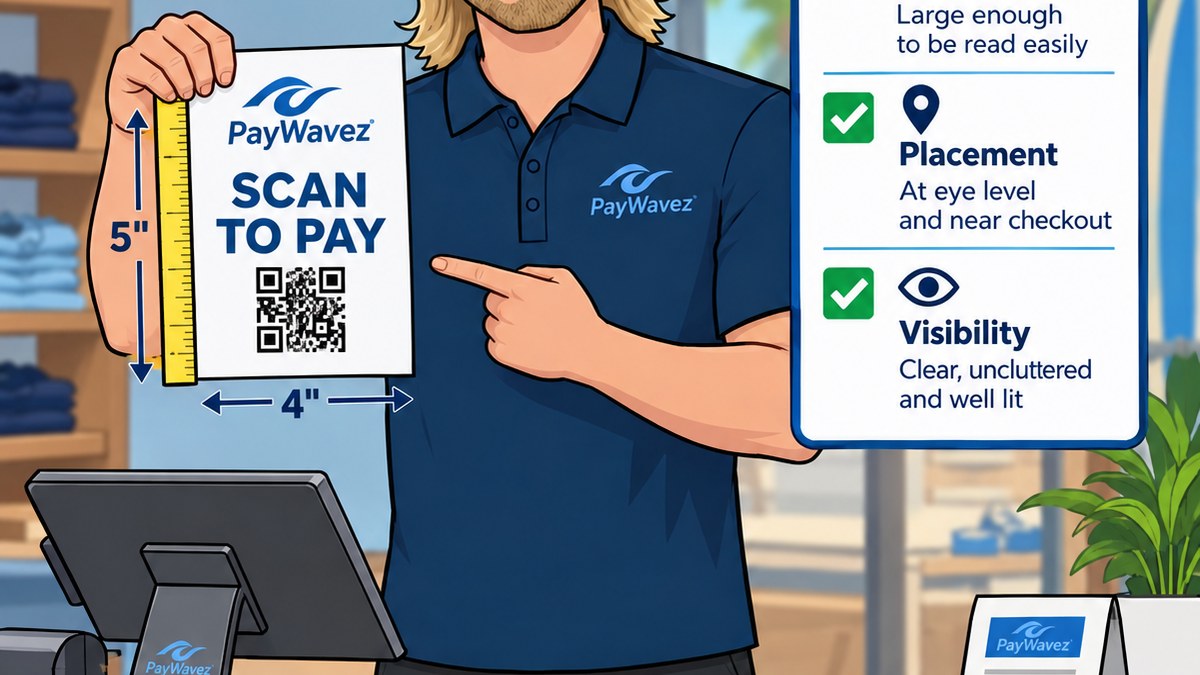
As of 2026, dual pricing is legal in all 50 states, provided it is implemented correctly. The key is transparency. You cannot simply tell a customer at the end of the sale that it costs more to use a card. You must have clear signage at the entrance and at the point of sale. Most importantly, your POS system must be able to print a receipt that shows both the cash price and the card price clearly.
For businesses looking for Alabama payment processing, the rules are very merchant-friendly. However, you must still ensure your hardware is up to date. Older terminals often cannot handle the complex math required to toggle between cash and card prices instantly. Modern smart terminals handle this automatically, calculating the difference and showing the customer exactly what they are paying before they dip or tap their card.
How Dual Pricing Works at the Point of Sale
When a customer walks up to your counter, the process should be seamless. Here is how it usually goes:
- The employee rings up the items in the POS system.
- The customer sees two totals on the screen: a Cash Total and a Card Total.
- The customer chooses their payment method.
- If they pay cash, the system records the lower amount.
- If they pay card, the system records the higher amount and uses the difference to cover your processing fees.
This automation is why choosing the right POS hardware is so important. You don't want your staff doing math at the register. It leads to errors, long lines, and frustrated customers. A dedicated dual pricing terminal does all the heavy lifting for you.
Signage Requirements You Can't Ignore
Transparency is the most important part of staying compliant. If you don't have the right signs, you could face fines from the card brands or even have your merchant account shut down. You need a sign at the door and a sign at the register that explains that the prices displayed are the cash prices, and a service fee applies to card transactions (or that two prices are displayed for every item). Most reputable processors will provide these signs for you as part of your setup kit.
Why Small Businesses are Switching to Dual Pricing
The biggest reason is survival. As inflation stays high and margins get thinner, small businesses can no longer afford to give away 3% of their top-line revenue. By switching to dual pricing, a business can effectively give itself a 3% raise without changing its base prices. This extra cash flow can be used to hire more staff, upgrade equipment, or simply provide a buffer for slow seasons.
Another reason is fairness. Why should a customer paying with cash—which costs the merchant nothing to process—subsidize the rewards points and airline miles of a customer paying with a high-end credit card? Dual pricing ensures that the person using the service (the card network) is the one paying for it.
Common Mistakes to Avoid
One of the biggest mistakes is trying to "DIY" a dual pricing program. Some merchants try to manually add 4% to every card sale without using the proper software. This is a recipe for a chargeback nightmare. If a customer sees an unauthorized fee on their receipt, they can dispute the charge, and you will likely lose. Using a certified dual pricing processor ensures that the receipts are formatted correctly and the fees are disclosed in a way that protects you from disputes.
Ready to see your own numbers?
Run your real card volume through the calculator or apply in about two minutes.