

Pricing Programs
Surcharge programs vs. cash discount programs: what's the real difference?
Both programs are built to offset card-processing cost, but the mechanics, the signage requirements, and even the receipt math are genuinely different.

"Dual pricing," "surcharging," and "cash discounting" get used almost interchangeably in casual conversation, but they're not the same program, and mixing them up at the register is a common way small businesses end up out of compliance without realizing it.
How a cash discount program works
A cash discount program posts one price — the card price — and offers a discount off that price for customers who pay with cash, check, or another non-card method. Because the posted price is technically the highest price a customer could pay, and the discount is framed as optional savings, this structure tends to face fewer state-level restrictions than surcharging.
How a surcharge program works
A surcharge program posts a base price and adds a separate, disclosed fee specifically for credit card payments (debit is typically excluded or capped differently under card network rules). The base price is what a cash-paying customer sees; the card-paying customer sees the base price plus the surcharge line item on the receipt.
"The programs solve the same cost problem from opposite directions — one discounts down from a card price, the other adds up from a cash price."
Common framing across dual-pricing compliance guides
Where state rules diverge
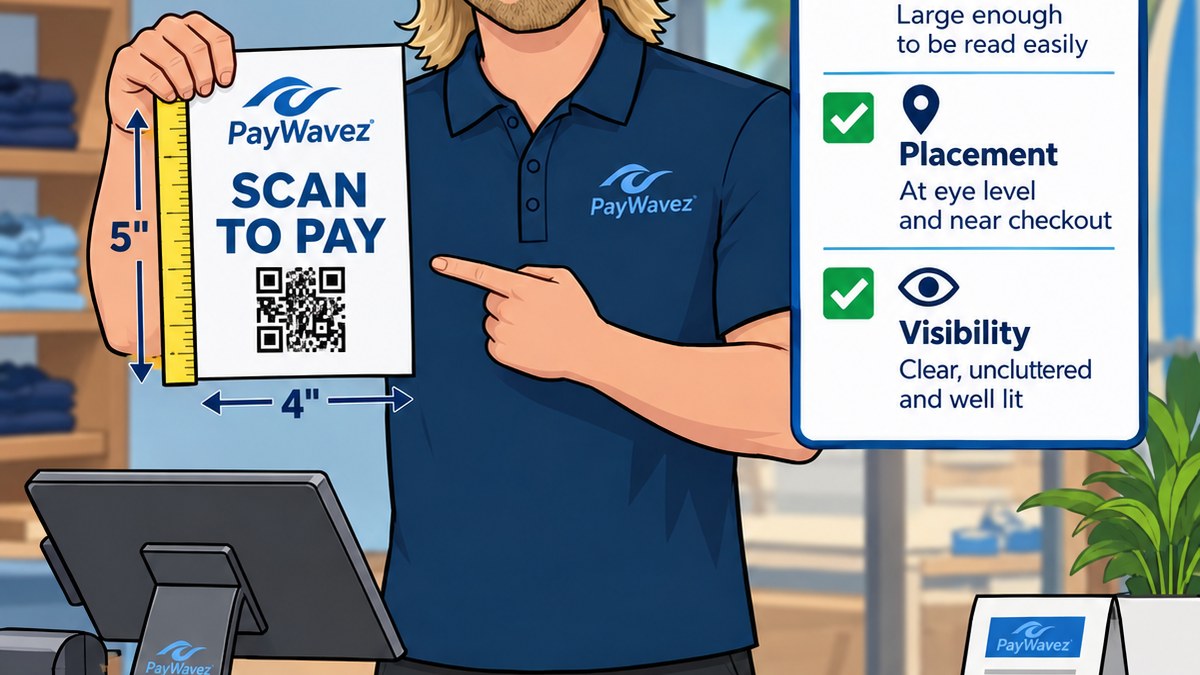
Surcharging is legal in most states but a handful restrict or outright ban it, and the cap on the surcharge percentage (tied to your actual card-processing cost) is enforced by card network rules everywhere it's allowed. Cash discount programs generally avoid those specific surcharge restrictions since no separate fee is being added — but both models still require clear, visible signage disclosing the pricing structure before a customer commits to a purchase.
2
Distinct pricing models: cash discount (discount down) vs. surcharge (fee up)
Varies
Surcharge legality and caps differ by state — check yours before switching
100%
Of both programs require clear point-of-entry and point-of-sale signage
Not sure which program fits your business?
PayWavez sets up compliant dual pricing signage and receipt logic as part of onboarding.
What actually changes at the register
For staff, a cash discount program usually means the displayed shelf or menu price is the card price, and the discount is applied automatically when a customer pays with cash. A surcharge program usually means the displayed price is the base price, and the card fee shows as a separate, itemized line on the receipt when a card is used. Either way, the POS needs to be configured to apply the correct math automatically — manually calculating either at checkout invites errors and customer confusion.
Picking one for your business
There's no universally "better" option — the right choice depends on your state's rules, how your customers respond to each framing, and how your POS handles the math. A restaurant or retail counter used to posting one price on the menu or shelf often finds cash discounting simpler to communicate; a service business already itemizing costs on an invoice sometimes finds a surcharge line item more natural. Whichever you pick, consistency across signage, POS configuration, and receipts is what keeps you compliant.
Is a cash discount program the same as surcharging?
No. A cash discount program sets one price and offers a discount for non-card payment; a surcharge program sets a base price and adds a fee for card payment. The end math can look similar, but the presentation and some state rules differ.
Which one is legal in more states?
Cash discount programs face fewer state-level restrictions than surcharging, since the posted price is technically the higher price and the discount is optional. Surcharging is legal in most states but a handful restrict or ban it outright, so it's worth checking your specific state before choosing.
Do both require signage?
Yes. Card networks and most state rules require clear, visible disclosure of the pricing program at the point of entry and at the point of sale, regardless of which model you run.
Can a business switch between the two?
Yes, but it requires reconfiguring your POS pricing logic and updating all customer-facing signage and receipts at the same time — running one at the register and the other in signage creates a compliance mismatch.
Ready to see your own numbers?
Run your real card volume through the calculator or apply in about two minutes.