
Compliance
Dual Pricing Signage: What's Required and What Actually Works at the Counter
Dual pricing lets a business post one price for cash and a slightly higher price for card, but getting the signage wrong is one of the fastest ways to trigger a customer complaint or a compliance question. Here's what's actually required and what wording holds up at the register.
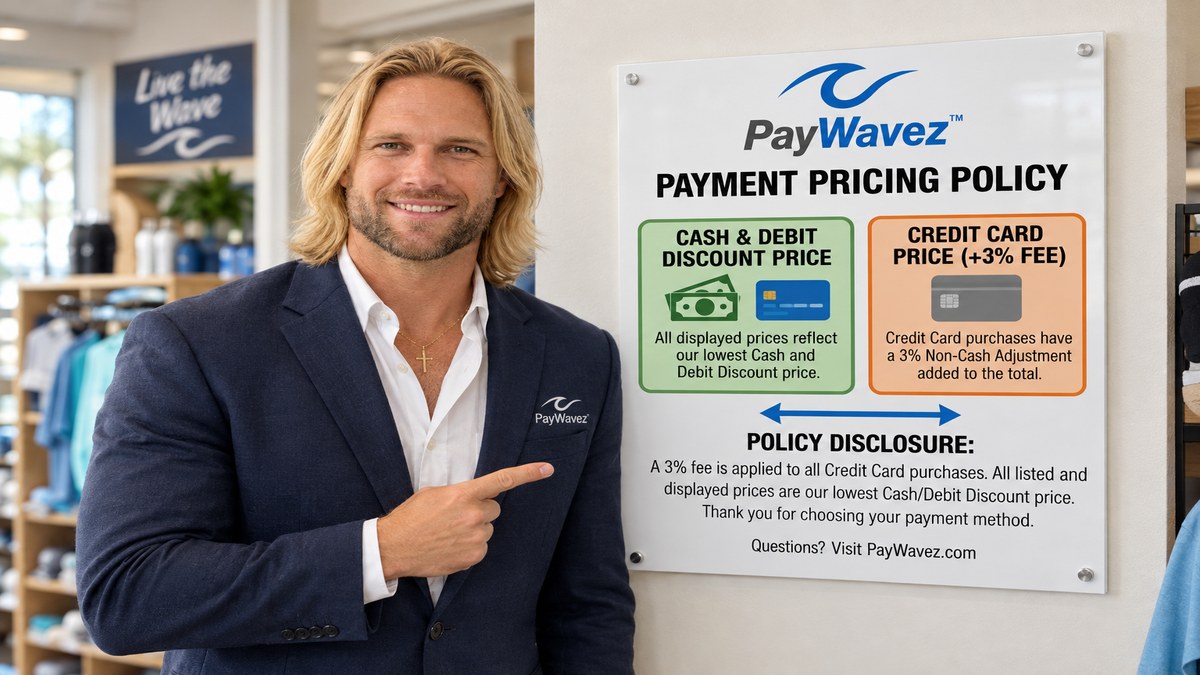
Why signage is the part businesses get wrong
Dual pricing itself is straightforward: post a cash price and a card price, and customers see both before they decide how to pay. Where businesses run into trouble is the signage -- either it's missing, it's too small to notice before checkout, or the wording implies a "penalty" for using a card rather than simply disclosing two prices.
What most dual pricing rules require
While specific requirements vary by state and card network, most dual pricing frameworks share the same core structure:
- Both the cash and card price are disclosed clearly, not just the cash price with a card fee mentioned separately
- Signage is visible before the customer commits to a purchase -- at the entrance and at the point of sale, not just buried on a receipt
- The price difference reflects the actual cost of card acceptance rather than an arbitrary markup
- The receipt itself shows the price actually charged, matching what was disclosed
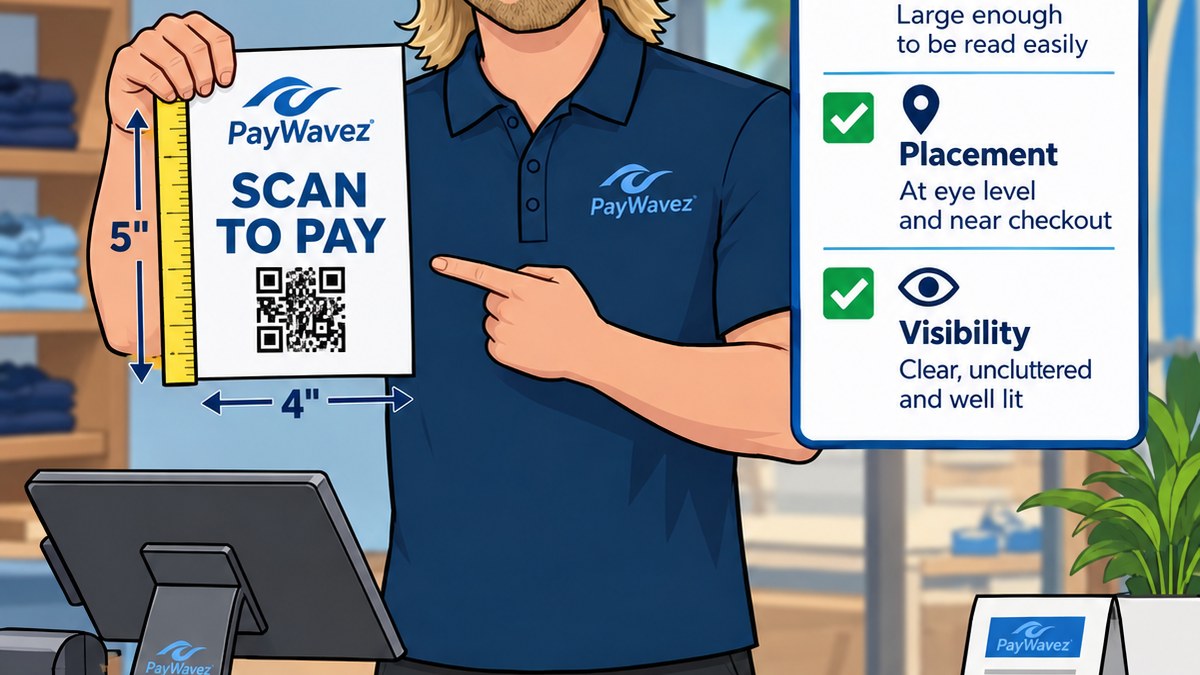
Counter language that works
At the register, simple and consistent beats clever. "Cash price $X, card price $Y" printed clearly on the sign and repeated verbally by staff during a busy shift avoids most disputes before they start. Avoid language that frames the card price as a punishment or blames the customer for choosing to pay with a card -- it reads as adversarial and invites pushback rather than acceptance.
Not sure if your program is set up correctly?
See how a compliant dual pricing program actually looks on your statement.
See what dual pricing looks like on your numbers
Run your real card volume through the calculator to see the actual difference.