
Fees & Rates
Surcharging vs Cash Discounting: Which is Better for Your Business?
Stop losing 3% of every sale to credit card processing fees. We break down the differences between surcharging and cash discounting so you can pick the right legal path to zero-fee processing.

Surcharging vs cash discounting is a debate every small business owner should understand before they try to eliminate their credit card processing fees. For years, merchants simply accepted that 2.5% to 4% of their gross revenue would vanish into the pockets of banks and processors. Today, that has changed. New laws and card brand rules allow you to pass those costs on to the people using the cards. However, if you do it wrong, you risk heavy fines or even losing your merchant account entirely. Before we dive deep, you might want to check out our initial breakdown of surcharge vs cash discount programs for a quick overview of the basic mechanics.
Understanding the Core Concept of Fee Offsetting
At the heart of the surcharging vs cash discounting discussion is one goal: protecting your profit margins. When a customer swipes a credit card, the merchant (you) pays an interchange fee to the bank that issued the card, a brand fee to Visa or Mastercard, and a markup to the processor. Both surcharging and cash discounting are designed to shift that cost from the business owner to the customer. While they achieve the same result—more money in your bank account—they work in opposite ways from a legal and psychological standpoint.
Surcharging adds a fee on top of the advertised price when a customer uses a credit card. Cash discounting offers a lower price to customers who pay with paper money or a check. It sounds like semantics, but to the Federal Trade Commission (FTC) and the major card brands, the difference is massive. If you are a business owner in Alabama or anywhere else in the U.S., choosing the wrong one without the right signage can lead to a compliance nightmare.
Surcharging vs Cash Discounting: Key Legal Differences
The legal landscape for these programs is governed by three groups: state governments, the federal government, and the card brands (Visa, Mastercard, Discover, and Amex). Surcharging is more strictly regulated than cash discounting. Under surcharging rules, you must notify the card brands 30 days before you start. You are also limited on how much you can charge—currently, the cap is 3% in most cases, or the actual cost of the processing, whichever is lower. Most importantly, you cannot surcharge a debit card, even if the customer runs it as "credit."
Key Stat: According to industry data, businesses that switch to a fee-offsetting model like surcharging or cash discounting see an immediate 2.5% to 3.5% increase in their net profit margins without a significant drop in customer volume.
Cash discounting is generally seen as more flexible. Because you are offering a "discount" rather than adding a "penalty," it is legal in all 50 states. The Durbin Amendment protects a merchant’s right to offer a discount for cash. However, for a cash discount program to be legal, your "shelf price" must be the credit card price. If your shelf price is the cash price and you add a fee at the register, that is a surcharge, not a cash discount, regardless of what you call it on the receipt.
The Strict Rules of Surcharging
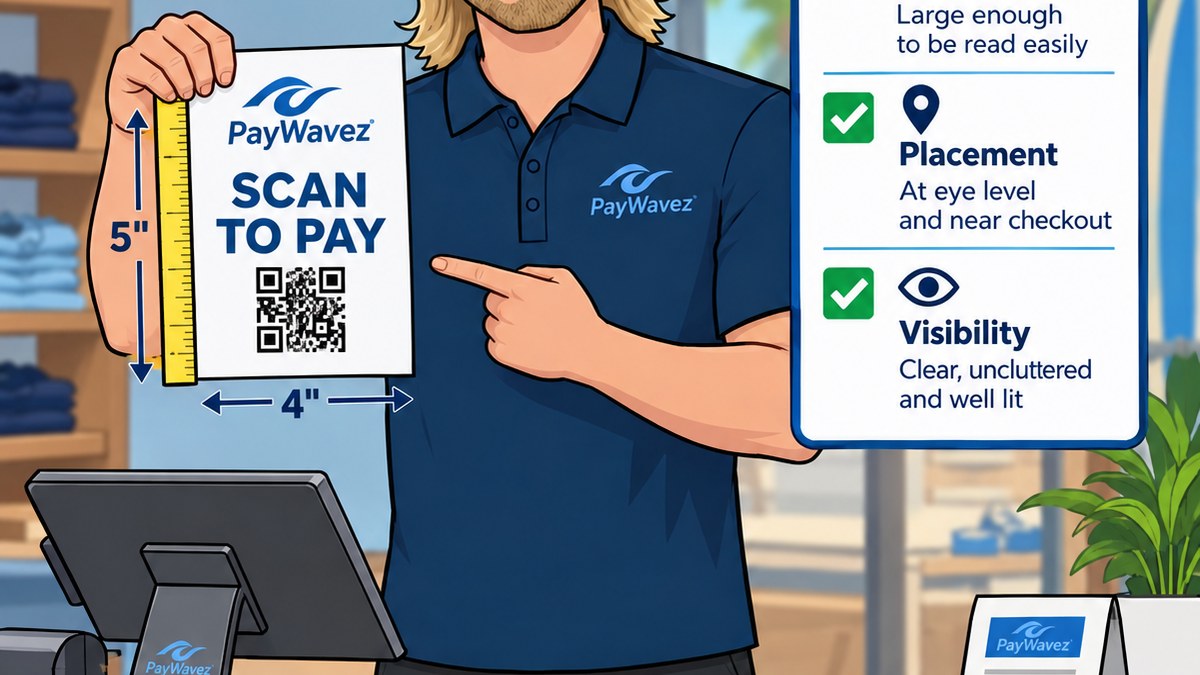
If you decide to go the surcharge route, you must follow a very specific checklist. First, you must have clear signage at the entrance and at the point of sale. This signage must tell the customer exactly what the fee is and that it only applies to credit cards. Second, the surcharge must be listed as a separate line item on the customer's receipt. You cannot just bake it into the total price without showing the math. Third, you must ensure your POS system is smart enough to recognize a debit card. Surcharging a debit card is a violation of the Durbin Amendment and can lead to massive fines from the card brands.
Many merchants prefer surcharging because it is transparent. The customer knows exactly why they are paying more. However, in states like Connecticut and Massachusetts, surcharging has historically faced much tighter restrictions compared to other parts of the country. This is why many merchants in places like Fairhope often lean toward cash discounting or dual pricing to stay on the safe side of evolving state laws.
"The biggest mistake merchants make is treating a surcharge like a cash discount without updating their signage. One is a penalty, the other is an incentive, and the law treats them very differently."
How Cash Discounting Actually Works
A true cash discount program is simple but requires a change in how you price your items. To be compliant, you should list your items at the "Card Price." For example, if a sandwich costs $10.00, your menu should say $10.00. You then post a sign stating that all customers receive a 3% discount if they pay with cash. When the customer pays with cash, the POS automatically deducts the discount, and they pay $9.70. If they pay with a card, they pay the advertised $10.00.
The benefit here is that you can apply this logic to both credit and debit cards. Since you aren't adding a fee to the debit card, but rather offering a discount for cash, you avoid the Durbin Amendment restrictions that plague surcharging. This makes cash discounting a "one size fits all" solution for many retail shops and restaurants. It simplifies the checkout process and ensures you are covered regardless of which card the customer pulls out of their wallet.
Customer Psychology: Fee vs. Discount
How your customers feel about your pricing is just as important as the legalities. Humans naturally hate fees but love discounts. When a customer sees a "4% Credit Card Surcharge" on their receipt, they may feel like they are being punished for using their preferred payment method. This can lead to "sticker shock" at the register and a negative review on Google. However, when a customer sees a "Cash Discount," they feel like they are getting a deal, even if the net cost to you is the same.
This is why "Dual Pricing" has become the gold standard in the industry. Dual pricing shows both the cash price and the card price on every item or on a clear sign. It removes the surprise. Whether you choose surcharging vs cash discounting, the goal is transparency. If your customers feel like you are being honest about the rising costs of doing business, they are much more likely to support you. You can see how this looks in action by checking out our live demo of modern POS systems that handle these calculations automatically.
Equipment Requirements and POS Setup
You cannot run a compliant surcharge or cash discount program with an old-fashioned credit card terminal. You need a modern POS system or a "smart terminal" that is programmed with the correct logic. The terminal must be able to read the BIN (Bank Identification Number) of the card instantly to determine if it is a credit or debit card. If it's a credit card, the terminal applies the surcharge. If it's a debit card, it skips the fee. For cash discounting, the POS must be able to apply a percentage-based discount to the total transaction in real-time.
At PayWavez, we provide the hardware and software that does this heavy lifting for you. We ensure your receipts are formatted correctly, your signage meets card brand standards, and your terminal is locked down to prevent illegal surcharging on debit cards. This technology protects your merchant account and prevents chargebacks. If a customer sees an undisclosed fee, they can file a chargeback, and you will likely lose because you didn't follow the disclosure rules.
Making the Final Choice for Your Business
Which one should you choose? If you have a high volume of credit card transactions and very few debit card users, surcharging is a clean way to pass on costs. If you have a mix of everything and want the simplest legal path, cash discounting or dual pricing is usually the better bet. The most important thing is to stop paying for your customers' rewards points out of your own pocket. Every dollar you save on processing fees is a dollar you can reinvest in your staff, your inventory, or your marketing.
Surcharging vs cash discounting doesn't have to be confusing. By working with a transparent processor, you can eliminate your monthly bill and focus on growing your business. For more specific details on how these programs work in your shop, revisit our guide on surcharge vs cash discount programs or contact our team for a free statement audit. We'll help you find the hidden fees and show you exactly how much you can save.
Ready to see your own numbers?
Run your real card volume through the calculator or apply in about two minutes.