
POS & Hardware
Point of Sale Systems Cost: What Small Businesses Actually Pay in 2026
Understanding the total cost of ownership for a POS system requires looking past the sticker price of the hardware and into the monthly fees and processing rates.
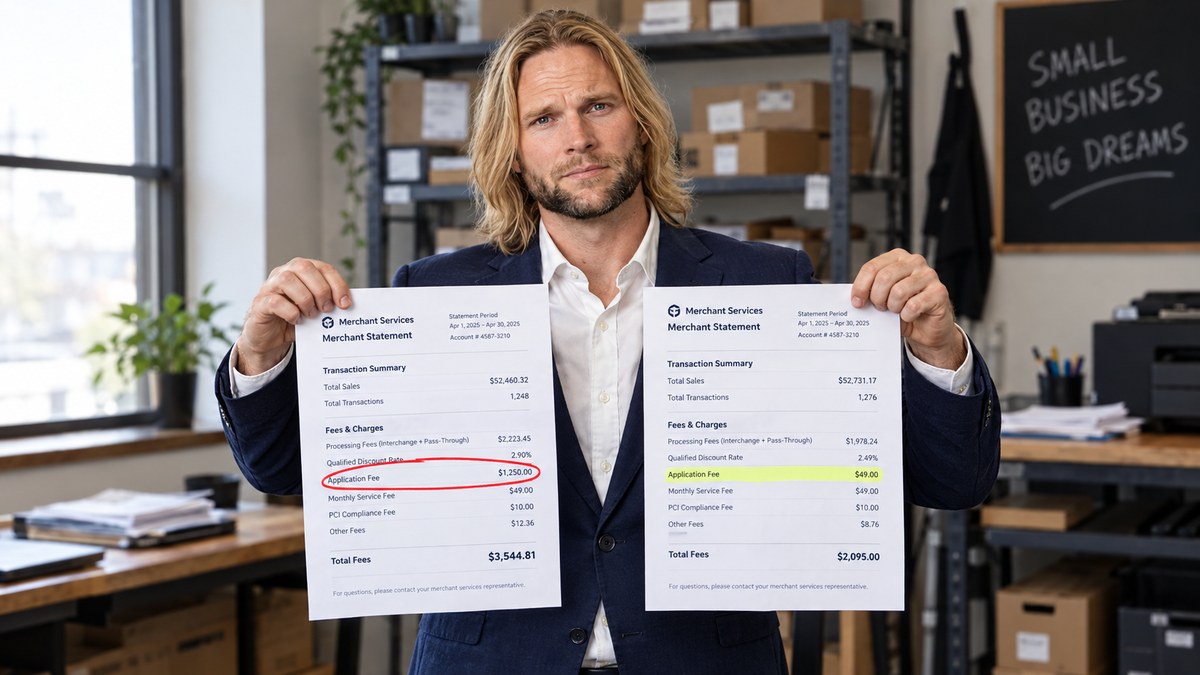
Point of sale systems cost is one of the most significant investments a small business owner makes when setting up a storefront or expanding operations. Whether you are running a retail shop in the heart of town or a restaurant on the coast, the price you pay for your checkout technology impacts your bottom line every single day. Before we dive into the line-item details, you might want to check out our initial breakdown of how much does a POS cost and what does it include to get a high-level overview of the components involved.
The Three Pillars of POS Pricing
When you evaluate the total expense of a new system, you have to look at three distinct categories: hardware, software, and payment processing. Many business owners make the mistake of only looking at the hardware cost, only to be surprised by high monthly software fees or expensive merchant account rates later on.
1. Hardware Costs
Hardware includes the physical devices you use to take payments. This can range from a simple mobile card reader that plugs into a phone to a multi-screen terminal with a built-in printer and cash drawer. For a standard countertop setup, expect to pay anywhere from $400 to $1,500 per station. If you need mobility, handheld "smart terminals" usually cost between $300 and $600.
2. Software Subscription Fees
Most modern POS systems operate on a SaaS (Software as a Service) model. This means you pay a monthly fee to keep the software running. Basic plans might start at $0 (often paired with higher processing rates), while professional versions for restaurants or multi-location retail stores can range from $60 to $200 per month, per register.
3. Payment Processing Fees
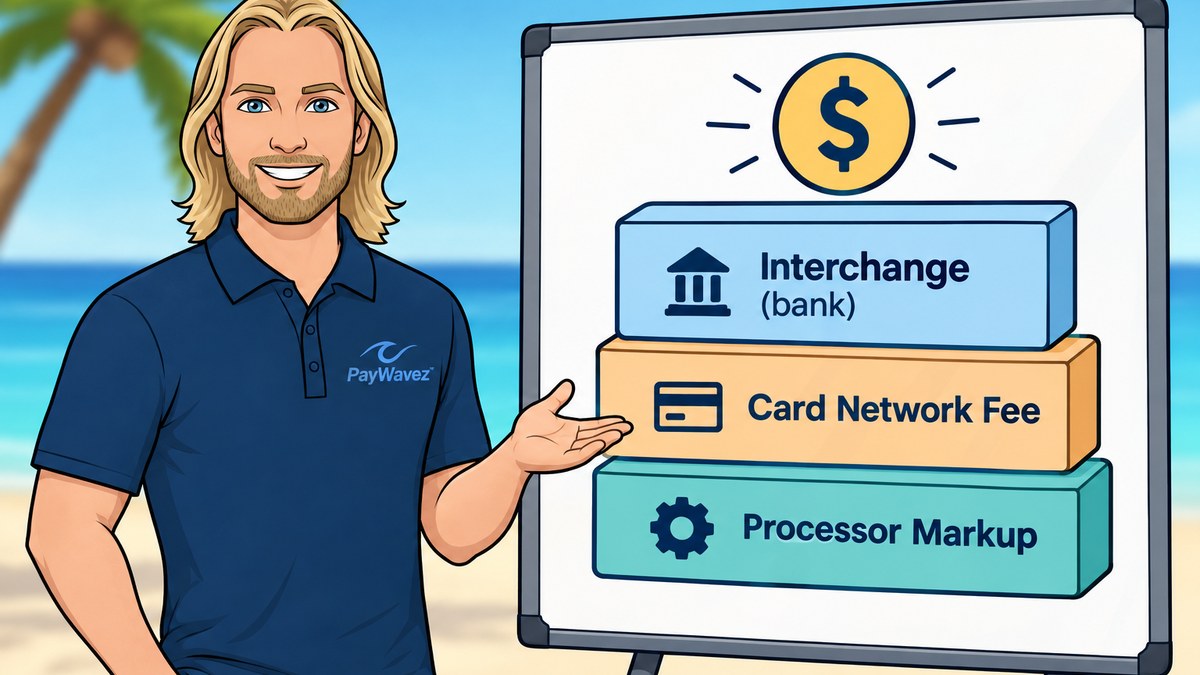
This is the most "hidden" part of the cost. Every time a customer swipes a card, a percentage of that sale goes to the processor. If your POS provider forces you to use their internal processor, you might be stuck with a flat rate of 2.6% + $0.10. While this sounds simple, it is often much more expensive than Interchange Plus pricing or a dual-pricing model.
75% of small businesses report that hidden fees in their POS software or processing agreement were not disclosed during the initial sales process, leading to costs 15-20% higher than anticipated.
Point of Sale Systems Cost: A Comparison of Top Providers
Different providers target different types of businesses, and their pricing reflects that. For example, Square is known for low entry costs but higher long-term processing fees. Clover offers robust hardware but requires a merchant account through a registered ISO or bank, which can vary wildly in price. Toast is highly specialized for restaurants but often locks users into long-term contracts with exclusive processing.
When comparing these options, it is vital to look at the "Effective Rate." This is the total amount of fees you pay divided by your total sales volume. A system with a $0 monthly software fee but a 3.5% processing rate will eventually cost you much more than a system with a $50 monthly fee and a 2.2% processing rate once your volume grows. You can see how these systems look in action by viewing our live demo of modern POS interfaces.
The Impact of Merchant Account Structures
The type of merchant account you choose is the engine behind your POS system. Many "big box" POS providers use an aggregator model, where they lump all their merchants into one giant account. This is easy to set up but gives you very little room to negotiate rates. A dedicated merchant account, like the ones we provide at PayWavez, gives you more stability and lower rates over time.
For businesses in specific regions, such as those looking for Alabama payment processing, local support and customized rate structures can save thousands. This is especially true for tourist-heavy areas like Gulf Shores credit card processing, where seasonal fluctuations mean you need a plan that doesn't penalize you during the off-season.
The hardware is a one-time expense, but the processing agreement is a lifetime commitment. Don't let a 'free' terminal lock you into a high-rate contract that drains your monthly profits.
Reducing Costs with Dual Pricing and Surcharging
One of the most effective ways to offset the point of sale systems cost is to implement a dual pricing or surcharging program. These programs allow you to pass the cost of credit card processing directly to the customers who choose to use those cards, while offering a discount to those who pay with cash.
In a dual-pricing model, your POS displays two prices for every item: a card price and a cash price. This can effectively bring your processing costs down to near zero. While there are strict rules about how these programs must be disclosed to customers, a modern POS system handles all the math and signage requirements automatically. This turns your payment processing from a growing expense into a manageable utility.
Avoiding Hidden Fees and Contract Traps
As you shop for a POS, be on the lookout for "junk fees" that can inflate your monthly bill. Common culprits include:
- PCI Non-Compliance Fees: Charged if you don't complete a yearly security survey.
- Statement Fees: Fees just for the privilege of receiving a bill.
- Minimum Processing Fees: Charges applied if you don't process a certain dollar amount each month.
- Long-term Hardware Leases: Never lease hardware. It is almost always cheaper to buy a $600 terminal upfront than to pay $50 a month for four years ($2,400 total).
Always ask for a full schedule of fees before signing. If a salesperson says a fee is "standard," ask them to waive it. In the world of merchant services, almost everything is negotiable if you have the right partner.
Conclusion: Finding the Right Balance
Ultimately, the best POS for your business isn't the cheapest one—it's the one that provides the most value for the price. A system that saves your staff ten hours a week in inventory management is worth a higher monthly fee. However, you should never overpay for the underlying payment processing. By choosing a transparent provider and considering programs like dual pricing, you can make the technology work for you instead of the other way around.
For a deeper look at the specific components that make up these prices, revisit our guide on how much does a POS cost and what does it include to ensure you aren't missing any critical details in your budget.
Ready to see your own numbers?
Run your real card volume through the calculator or apply in about two minutes.