
POS Systems & Hardware
How Much Does a POS Cost and What Does It Include?
Navigating the price of a point-of-sale system is more than just looking at a sticker; it involves hardware, software, and the hidden costs of credit card processing.
How much does a POS cost and what does it include? This is often the first question a new business owner asks when they are getting ready to open their doors. Whether you are launching a boutique in downtown Mobile or a seafood spot on the Gulf Coast, your point-of-sale (POS) system is the heart of your operation. It is not just a cash register anymore; it is a computer that manages your inventory, tracks your employees, and handles every penny that comes into your business. However, the pricing can be incredibly confusing because companies like to hide the real costs in fine print or high processing rates.
The Baseline: Hardware Costs for Small Businesses
Hardware is the physical equipment you touch every day. For a very small business or a mobile service provider, hardware might cost as little as $0 to $100. This usually includes a simple mobile card reader that plugs into a phone or tablet. However, for a brick-and-mortar store, you will likely need a countertop terminal. A standard smart terminal, like a Clover Mini or a handheld Flex, typically ranges from $400 to $800. If you need a full setup with a large screen, a cash drawer, and a receipt printer, you should expect to pay between $1,000 and $2,000 per station.
Many business owners make the mistake of choosing a "free" terminal. In the payment industry, nothing is truly free. If a company gives you a $1,000 POS system for no upfront cost, they are almost certainly making that money back by charging you much higher credit card processing fees every month. Over two or three years, that "free" equipment could end up costing you $5,000 or more in extra fees. It is usually better to buy your equipment upfront so you can negotiate lower monthly rates.
Software Subscriptions: The Monthly Fee Breakdown
The software is the "brain" of the POS system. Most modern systems are cloud-based, meaning you pay a monthly subscription fee to keep the software running. For a basic retail setup, software usually costs between $50 and $100 per month. If you run a restaurant, the cost might jump to $150 or $200 per month because you need extra features like table mapping, kitchen display integration, and menu management.
When you look at what is included in that software fee, you should look for inventory management, employee time-tracking, and basic reporting. Some companies will try to charge you extra for "add-ons" like loyalty programs or gift card support. Always ask for a full list of what the base subscription covers before you sign a contract. You can see how these systems look in action by viewing a live demo of modern payment software.
According to industry data, the average small business owner spends between 2% and 4% of their total revenue on credit card processing and POS-related expenses each year.
The Hidden Component: Credit Card Processing Fees
You cannot talk about the cost of a POS without talking about processing fees. This is where most of your money goes. There are three main ways companies charge you for processing: flat-rate, interchange-plus, and dual-pricing. Flat-rate processors (like Square or Toast) charge one high fee for every transaction, usually around 2.6% to 3.5%. This is simple but very expensive as you grow.
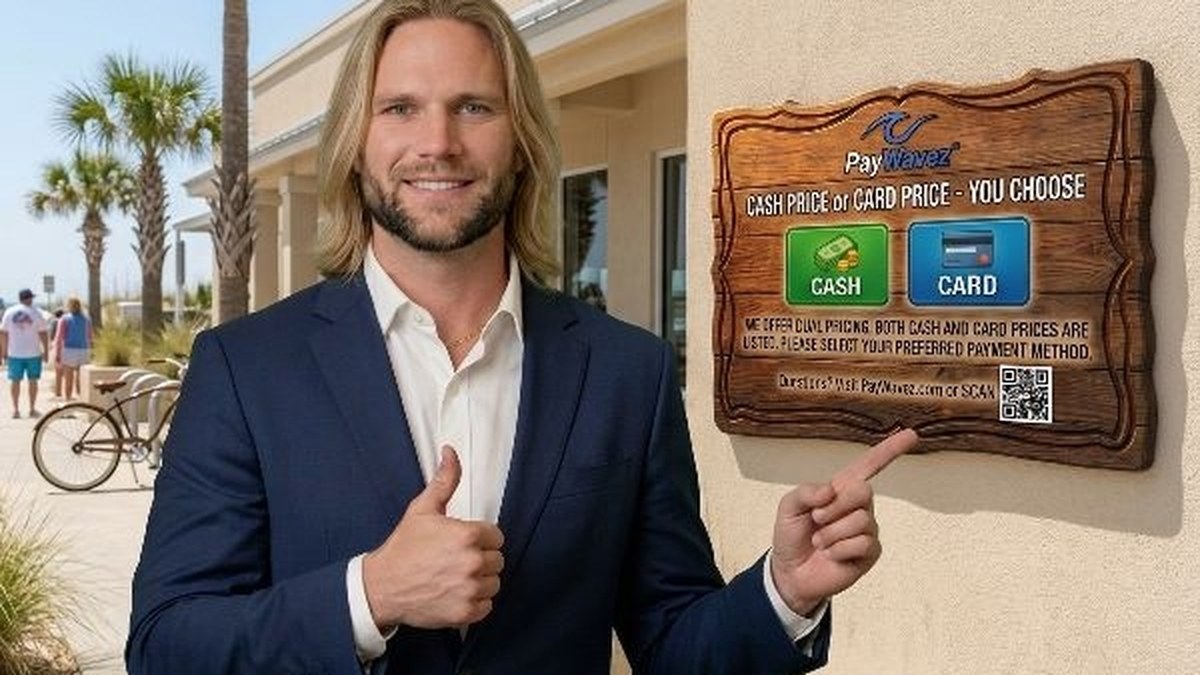
Interchange-plus is more transparent. You pay the actual cost from the card brands (Visa/Mastercard) plus a small markup. However, the most popular option for savvy business owners today is surcharging or dual-pricing. This allows you to pass the processing cost onto customers who choose to use a credit card, while offering a discount to those who pay with cash. This can effectively bring your POS processing cost down to nearly zero.

How much does a POS cost and what does it include?
To answer the core question directly: a standard POS system for a small business typically includes the hardware terminal, the software license, and the merchant account required to process payments. On average, you will pay between $600 and $1,500 for the initial hardware and $60 to $100 per month for the software. What is included in that package should be 24/7 technical support, PCI compliance security, and a dashboard where you can see your sales data in real-time.
It is important to remember that "what is included" varies by provider. Some providers include the merchant account (the backend service that moves money to your bank) as part of the POS package, while others require you to set it up separately. At PayWavez, we bundle these together so there is no confusion about who to call when you need help.
"The cheapest POS on paper is often the most expensive on your monthly statement. Always look at the total cost of ownership over three years, not just the upfront price."
Surcharging and Cash Discounts: Reducing Your Net Cost
One of the best ways to offset the cost of your POS system is through a compliant surcharging program. Many business owners in the South are moving toward this model to combat rising inflation. By adding a small fee to credit card transactions, you cover the cost of the processing fees that the banks charge. This means the hardware and software become your only real expenses. When done correctly with the right signage, customers are usually very understanding, especially when they see a "Cash Discount" option that rewards them for paying with paper money.
Avoiding Overcharges and Scams
The merchant services industry is unfortunately known for hidden fees. When reviewing a POS quote, look for things like "PCI Non-Compliance Fees," "Annual Membership Fees," or "Statement Fees." These are often "junk fees" that don't provide any real value. Another red flag is a long-term lease for hardware. Never lease a POS terminal. A $400 terminal can end up costing $2,000 over a four-year lease. It is always better to buy the equipment outright or find a provider that offers a month-to-month agreement.
If you are looking for Alabama payment processing, you should work with someone who understands the local market and won't lock you into a predatory contract. Local businesses from the coast up to the valley deserve transparent pricing without the smoke and mirrors.
Choosing the Right Fit for Your Gulf Coast Business
Whether you need Pensacola credit card processing or a system for a shop in Gulf Shores, the environment matters. High-volume seasonal businesses need a POS that is fast and reliable. A system that crashes during a busy Saturday in July is much more expensive than any monthly fee. Look for hardware that can handle the heat and humidity of the coast and software that offers offline processing so you can still take payments if the internet goes out.
Ready to see your own numbers?
Run your real card volume through the calculator or apply in about two minutes.