
Choosing a Processor
Square vs. Clover vs. PayWavez: which POS actually fits a small business?
Square and Clover are the two names most small business owners already know. Here's a sourced, side-by-side look at where each one actually wins, where PayWavez fits differently, and what genuinely matters when you're the one paying the monthly statement.
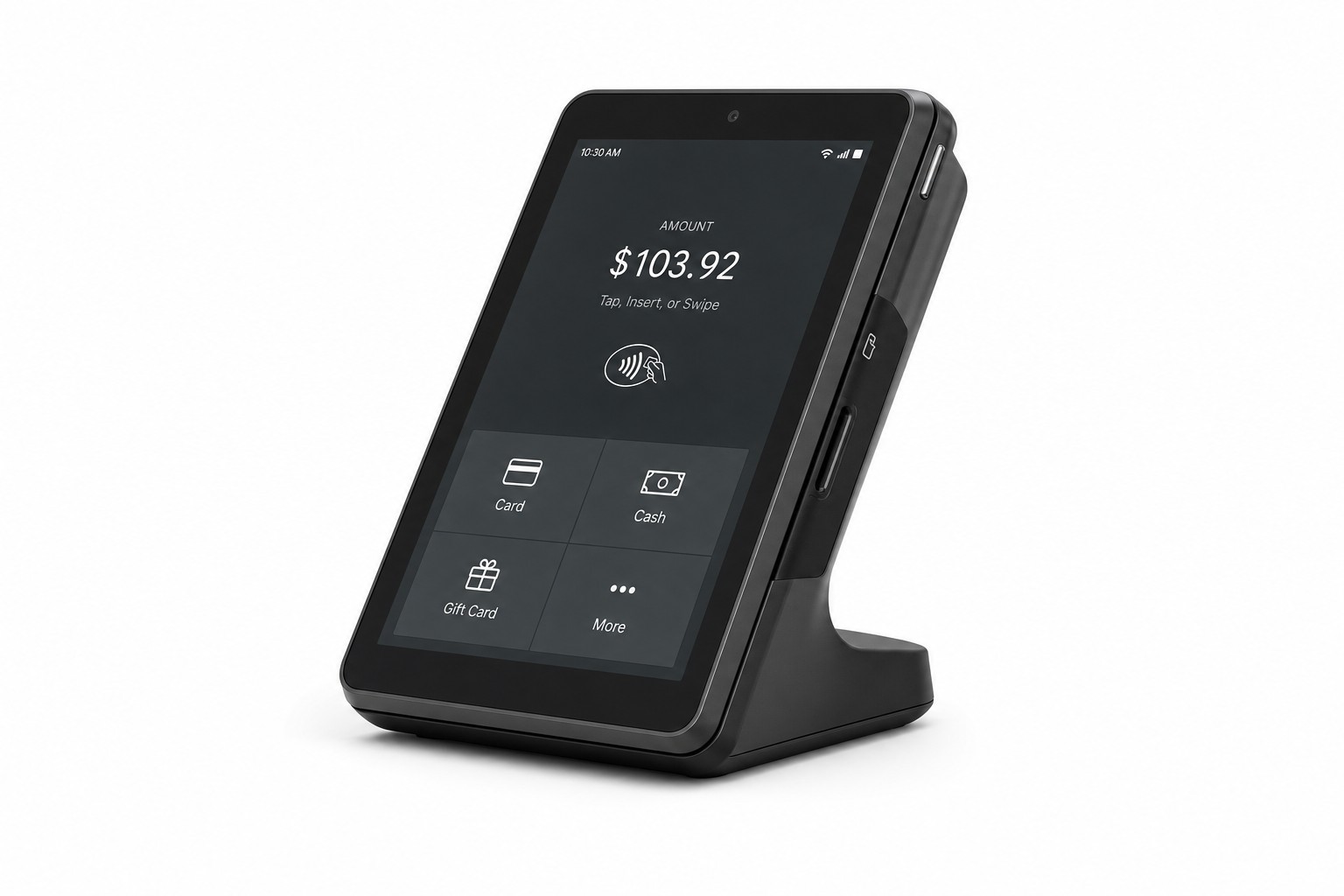
The honest side-by-side
Rates and monthly software fees below reflect each provider's own published 2026 pricing pages as of this writing. Square and Clover both use flat-rate, blended processing -- one advertised percentage plus a per-transaction fee, regardless of your actual interchange cost. PayWavez uses dual pricing with a transparent rate structure instead, which is a genuinely different model, not just a different number.
| Feature | Square | Clover | PayWavez |
|---|---|---|---|
| Entry-tier monthly software fee | $0 (Free plan) | $0–$14.95 (Payments/Starter plan) | $0 with dual pricing enrollment |
| In-person card rate, entry tier | 2.6% + 15¢ | 2.6% + 10¢ | Offset via dual pricing, no blended markup |
| Online/keyed-in rate | 3.3% + 30¢ (Free plan, since Jan. 2026) | 3.5% + 10¢ | Varies by real interchange, disclosed on statement |
| Dedicated hardware ecosystem & app market | Yes — wide app/hardware lineup | Yes — widest hardware lineup, 18+ plan variants by business type | Smart terminal placement, narrower but purpose-built lineup |
| Setup speed (no underwriting wait) | Fastest — sign up and accept cards same day | Fast, but device shipping/setup adds time | Standard merchant underwriting applies |
| Built-in dual pricing / cost-offset program | No | No | Yes — built in from account setup |
Rates shown are each provider's own published 2026 pricing as of September 2026 and vary by plan tier, business type, and processor; confirm current rates directly with each provider before deciding. Sources: Square's official pricing page and Clover's official pricing page.
Where Square and Clover genuinely win
This isn't a one-sided comparison -- Square and Clover are both large, well-supported platforms for real reasons. Square's biggest real advantage is speed: a brand-new business can be accepting cards the same day with no underwriting wait, which matters enormously for a pop-up, market stall, or brand-new storefront that can't afford to wait. Clover's biggest real advantage is breadth -- its hardware and plan lineup is the deepest of the three, with dedicated configurations for full-service restaurants, quick-service counters, retail, and personal-service businesses that want a complete in-house POS rather than just a card reader.
What's genuinely different about PayWavez
PayWavez's real point of difference isn't hardware -- it's rate transparency and dual pricing built in from account setup, so a business that wants to legally offset card-processing cost can do so without bolting on a separate surcharge program later. Square raised its Free-plan online rate from 2.9% + 30¢ to 3.3% + 30¢ in January 2026, and both Square and Clover still charge the same blended rate whether a merchant runs $2,000 or $20,000 a month through the terminal. That's the gap PayWavez's dual pricing model is built to close for a business with steady volume.
Not sure which setup actually fits your volume?
Run your real numbers and see the actual side-by-side cost.
How to actually decide
If you're brand new and need to start taking cards today with zero setup delay, Square's speed is a real advantage worth choosing for. If you want the deepest available hardware and software lineup with dedicated per-industry plans, Clover is built for that -- especially for full-service restaurants. If you're an established business with steady monthly volume and you want to see, and control, exactly what card acceptance costs you instead of a blended flat rate, that's specifically where PayWavez's dual pricing is designed to help.
- Square and Clover both win on out-of-box simplicity and mature app ecosystems -- that's real and worth acknowledging
- PayWavez's advantage shows up most clearly once monthly volume is steady enough that a blended flat rate starts costing more than a transparent, offset structure
- The right choice depends on whether you value fastest possible setup (Square), the deepest in-house POS lineup (Clover), or the lowest realistic long-term cost with dual pricing support (PayWavez)
See what your real numbers look like on PayWavez
Run your actual monthly card volume through the calculator and see the side-by-side cost -- takes about two minutes.
- No contract lock-in required to see your numbers
- Free smart terminal placement, no upfront hardware cost
- See your own statement comparison before you decide anything