
Processor Reviews
Merchant Services for Small Business Bank of America: A Complete Guide
Thinking about using Bank of America for your credit card processing? We explore the rates, hardware options, and whether it is the right move for your bottom line.

Merchant services for small business bank of america are often the first choice for entrepreneurs who already have their business checking accounts at the bank. It feels natural to keep everything under one roof. When you walk into a branch to open a business account, the banker will likely suggest their merchant services package. However, before you sign on the dotted line, it is vital to understand exactly how these payments work, what hardware you will be using, and what the true cost of that convenience might be for your business.
Understanding Merchant Services for Small Business at Bank of America
When we talk about merchant services for small business bank of america, we are actually talking about a partnership. Bank of America provides the merchant account, but the technology behind the scenes is powered by Clover (a Fiserv company). This means that while your money might sit in a BoA account, the software you use to ring up customers and the card machines on your counter are Clover products. This setup is common for large banks, but it adds a layer of complexity to your support and fee structure.
A merchant account is a special type of bank account that allows you to accept credit and debit card payments. When a customer swipes their card, the money doesn't go straight into your checking account. It first goes to the merchant processor, who verifies the funds and handles the security. After a day or two, the funds are settled into your business bank account. For businesses in coastal areas like Destin, having a reliable flow of funds is the difference between staying open and struggling with cash flow during the off-season.
The Cost of Convenience: Fees and Rates
One of the biggest questions owners have involves the processing fees. Most big banks use a tiered pricing model or a flat-rate model. While flat-rate pricing sounds simple—like 2.6% plus 10 cents per transaction—it is often the most expensive way to process cards. This is because not all cards cost the same to process. A basic debit card costs the bank very little, while a high-end travel rewards card costs much more. With a flat rate, you pay the same high price regardless of which card the customer uses.
You also need to watch out for monthly maintenance fees, PCI compliance fees, and statement fees. These small charges can add up to hundreds of dollars a year. Many small business owners don't realize they can negotiate these rates or look for providers that offer interchange-plus pricing, which is much more transparent. If you want to see how these rates compare to a modern setup, you can view a live demo of transparent processing in action.
Industry data shows that small businesses can save an average of 20% to 30% on processing costs by switching from standard bank flat-rate pricing to a transparent interchange-plus or dual-pricing model.
Clover POS Integration: Pros and Cons
Because Bank of America uses Clover, you get access to some of the most popular point-of-sale (POS) hardware on the market. Clover Mini, Clover Station, and Clover Flex are all sleek, modern devices that look great on a counter. They handle inventory, employee tracking, and basic reporting. For a retail shop or a small cafe, these features are very helpful.
The downside is that Clover hardware is often "locked." This means if you buy your Clover station through Bank of America and later decide to switch processors to save money, you usually cannot take that hardware with you. You would have to buy brand new equipment. This is a common trap that keeps businesses stuck with higher rates because they don't want to spend thousands of dollars on new card machines. Always ask if the equipment you are buying is unlocked before you commit.
Convenience is often the most expensive thing a small business can buy. What looks easy at the bank branch can cost thousands in hidden fees over the life of the business.
Evaluating Surcharging and Cash Discount Rules
A growing trend for small businesses is the use of surcharging or cash discount programs. These programs allow a business to pass the cost of credit card processing directly to the customer. For example, if a customer pays with a credit card, a small fee (usually around 3% to 4%) is added to the total. If they pay with cash, they pay the regular price. This can effectively bring your processing costs down to nearly zero.
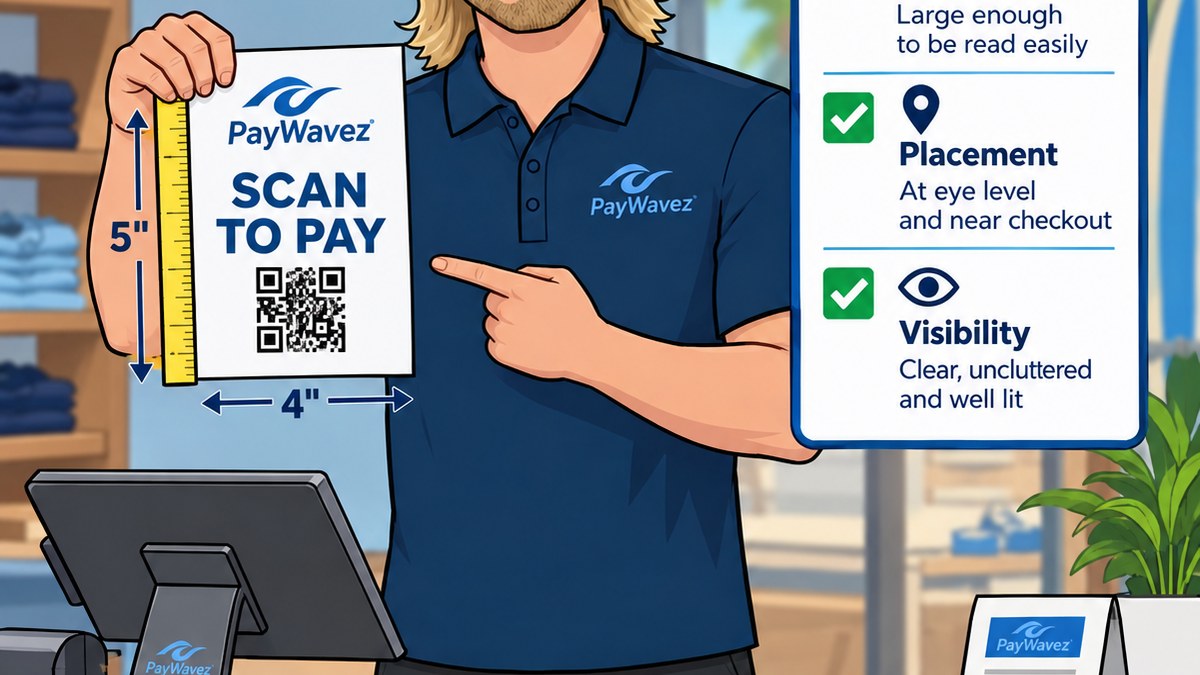
However, there are strict legal rules about how you do this. You must have the correct signage at your door and at the register. You also cannot surcharge debit cards—that is illegal under federal law. When looking at merchant services for small business bank of america, you should ask if their system automatically handles these rules. Many bank-provided systems are not set up for "dual pricing" out of the box, which can make it difficult for you to save money this way.
Handling Chargebacks and Security
Chargebacks are a major headache for any business owner. A chargeback happens when a customer disputes a charge with their bank instead of asking you for a refund. This can happen because of fraud, or simply because the customer didn't recognize the name on their bank statement. When a chargeback occurs, the bank takes the money back from your account immediately, plus a fee (often $25 or $50), while they investigate.
Bank of America provides basic fraud protection, but you are still responsible for proving the sale was legitimate. This is why having modern EMV chip card readers is so important. If you swipe a chip card instead of dipping it, you are liable for any fraud that occurs. Making sure your merchant services provider gives you the latest, most secure terminals is a key part of protecting your business from loss.
Comparing Merchant Services for Small Business Bank of America to Alternatives
When you compare merchant services for small business bank of america to independent payment professionals, the main difference is service and flexibility. A big bank has a call center. An independent provider often has local experts who can come to your shop if a terminal breaks. For businesses throughout the Alabama payment processing corridor, local support is often more valuable than a big brand name.
Independent processors also tend to offer more variety in hardware. While BoA is tied to Clover, an independent might offer Dejavoo, Pax, or specialized software for your specific industry. This flexibility allows you to build a system that fits your workflow rather than changing your workflow to fit the bank's software. Furthermore, independent processors are often more aggressive on pricing because they have to earn your business away from the big banks.
How to Switch or Negotiate Your Rates
If you are already using Bank of America and feel like you are paying too much, you have two options: negotiate or switch. To negotiate, you need to have a copy of your most recent merchant statement. Look for the "Effective Rate," which is your total fees divided by your total sales. If that number is higher than 3%, you are likely overpaying. You can call the bank and ask them to match a lower offer from a competitor.
If they won't budge, switching is easier than most people think. You can set up a new merchant account while your old one is still active. Once the new card machine arrives and is tested, you simply cancel the old service. The goal is to ensure there is no "downtime" where you can't take cards. Most modern processors can have you up and running in 24 to 48 hours.
Final Verdict for 2026
Merchant services for small business bank of america offer a high level of security and the convenience of integrated banking. If you value having one login for everything and you don't mind paying a bit of a premium for that simplicity, it can be a solid choice. However, if your goal is to maximize your profit margins and have more control over your hardware, exploring independent options is usually the smarter financial move.
Ready to see your own numbers?
Run your real card volume through the calculator or apply in about two minutes.