
Industry Solutions
Choosing the Right Contractor Payment Platform for Your Service Business
Stop losing a percentage of every job to high processing fees. Here is how to pick a contractor payment platform that keeps your margins high and your customers happy.
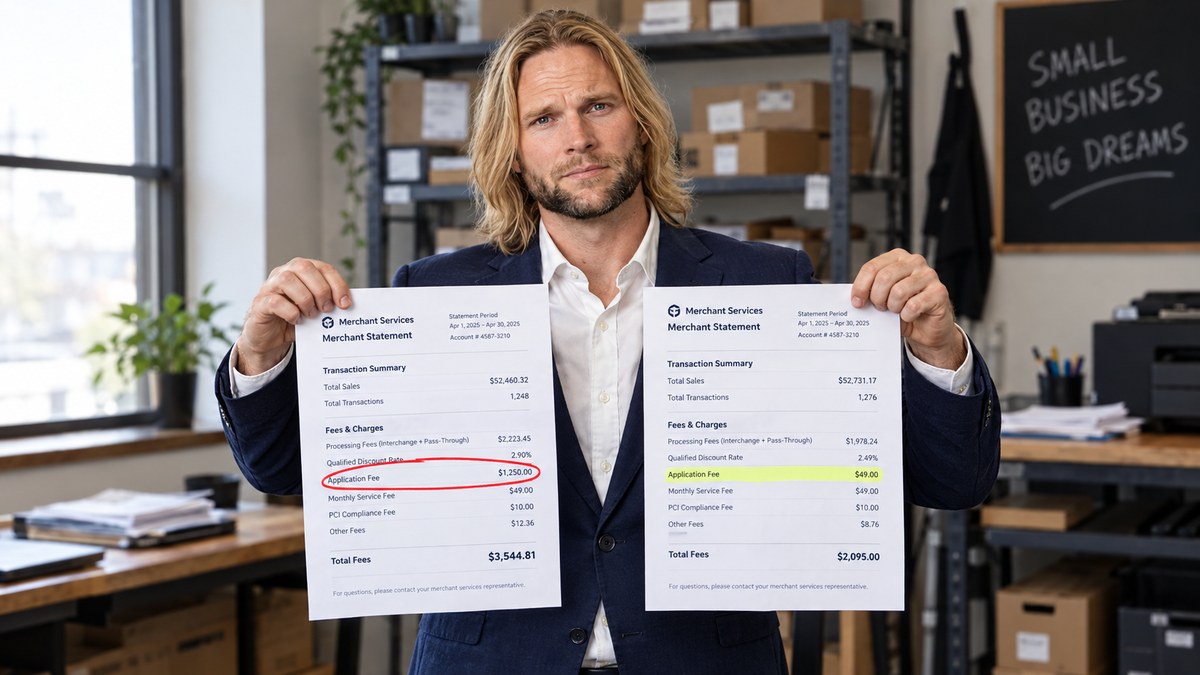
Finding the right contractor payment platform is essential for maintaining a healthy bottom line in the construction and home services industry. When you are managing high-ticket invoices for roofing, HVAC, or remodeling, a standard 3% processing fee can eat thousands of dollars out of your annual profit. While we have previously explored payment platforms for contractors, this guide goes deeper into the mechanics of merchant accounts and fee reduction strategies that work in the field.
Why Your Contractor Payment Platform Needs Surcharging Capabilities
For most small business owners in the trades, credit card fees are viewed as a necessary evil. However, modern payment technology has shifted the landscape. A robust contractor payment platform should offer more than just a way to swipe a card; it should offer a way to protect your margins. This is where surcharging and dual pricing come into play. By using a platform that supports these programs, you can legally pass the cost of credit card processing on to the customer who chooses the convenience of plastic, while offering a lower price for those who pay with cash or check.
In states like Alabama and Florida, these programs are becoming the standard for service-based businesses. If you are operating in the Gulf Coast region, whether you need Alabama payment processing or specific help with Gulf Shores credit card processing, implementing a surcharge can save you enough to hire another crew member or upgrade your equipment. The key is transparency and following the specific card brand rules regarding signage and disclosure.
Understanding Interchange-Plus vs. Flat-Rate Pricing
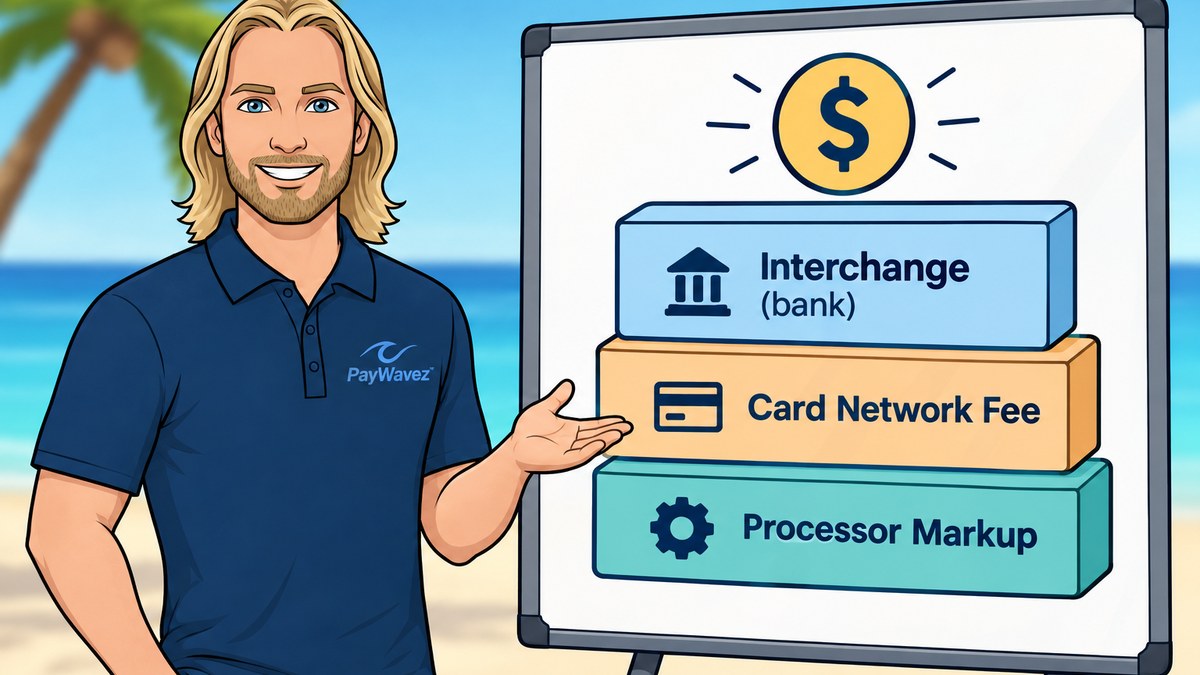
Many contractors start with popular "aggregator" platforms because they are easy to set up. However, these platforms often charge a flat rate—usually around 2.9% plus 30 cents per transaction. While simple, this is often the most expensive way to process payments. A professional contractor payment platform will typically offer interchange-plus pricing. This model passes the actual cost from the card brands (Visa, Mastercard, etc.) directly to you with a small, transparent markup. For high-ticket items common in the contracting world, this difference can save you hundreds of dollars per transaction.
Mobile Terminals and Virtual Terminals for Field Work
Contractors are rarely behind a desk. You need a solution that works on the job site. A high-quality contractor payment platform will provide you with a durable mobile terminal or a virtual terminal that you can access from your smartphone or tablet. These devices allow you to take payments immediately upon completion of the work, which significantly improves your cash flow. Instead of waiting for a check to arrive in the mail and then waiting for it to clear, card payments are typically deposited into your merchant account within 24 to 48 hours.
When choosing a terminal, look for features like 4G connectivity and long battery life. If you are working in remote areas or new developments, you cannot rely on the homeowner's Wi-Fi. Having a dedicated cellular connection in your POS terminal ensures you never miss a payment because of a poor signal. Furthermore, using a physical terminal rather than just typing in card numbers (Card Not Present) reduces your risk of fraud and lowers your processing rate.
A payment platform shouldn't just move money; it should protect your profit margin through transparent pricing and legal fee-passing strategies.
Managing High-Ticket Invoices and Chargeback Risks
One of the biggest fears for contractors is the chargeback. When a customer disputes a $10,000 payment for a kitchen remodel, it can freeze your business operations. A specialized contractor payment platform includes tools to help you fight and prevent these disputes. This includes the ability to attach photos of the completed work to the digital receipt, capturing a signature on the mobile terminal, and ensuring the business name on the customer's credit card statement matches the name on your truck.
Proper documentation is your best defense. When you use a professional merchant account instead of a consumer-grade app, you get a dedicated support team that can help you navigate the dispute process. They understand that in the construction world, disputes are often about project scope rather than actual fraud, and they can help you present the right evidence to the banks.
PCI Compliance and Security for Small Contractors
Security is not just for big retailers. As a small business owner, you are responsible for protecting your customers' sensitive financial data. A modern contractor payment platform handles the heavy lifting of PCI (Payment Card Industry) compliance for you. By using encrypted terminals and secure gateways, the card data never actually touches your phone or computer. This reduces your liability and ensures you are meeting the latest security standards, such as PCI DSS 4.0.
If you are unsure if your current setup is compliant, it is worth scheduling a live demo with a processing expert. They can show you how a secure system looks and how it can actually speed up your checkout process while keeping your data safe. Compliance is not just about avoiding fines; it is about building trust with your clients.
Conclusion: Maximizing Profit with the Right Platform
Choosing a contractor payment platform is one of the most impactful financial decisions you can make for your service business. By moving away from expensive flat-rate aggregators and embracing interchange-plus pricing and surcharging, you can keep more of your hard-earned money. Remember to prioritize mobile-friendly hardware, robust dispute protection, and transparent fee structures. For a deeper look at specific software options, revisit our guide on payment platforms for contractors to see which tools integrate best with your existing workflow.
Ready to see your own numbers?
Run your real card volume through the calculator or apply in about two minutes.