
Terminals & POS
What is the Difference Between a Card Reader and a Smart Terminal?
Choosing the right hardware is the first step toward lower fees and faster checkouts. We break down the technical and financial differences between basic readers and modern smart terminals.
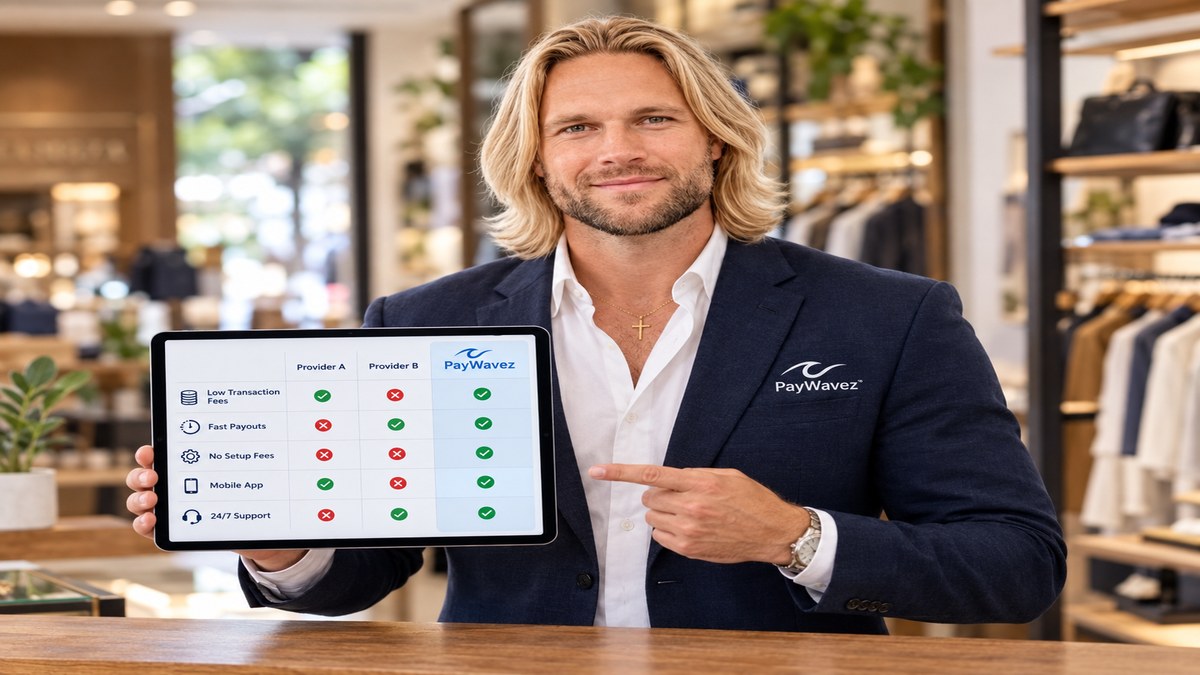
What is the difference between a card reader and a smart terminal? This is one of the most common questions we hear from small business owners who are tired of high fees and clunky hardware. When you first start a business, you might grab a cheap plastic dongle that plugs into your phone. But as you grow, you realize that a simple reader might be holding you back. Understanding the gap between these two types of devices is the key to choosing a system that saves you money and time.
We have previously explored the core features of modern hardware in our guide on what is a smart terminal, but today we are going deep into the comparison. For a merchant, the choice isn't just about the device in your hand. It is about the software, the processing rates, and how you manage your daily sales. Let’s look at why one might be a better fit for your specific shop or service business.
The Hardware Basics: Card Readers vs. Smart Terminals
At its simplest level, a card reader is a "peripheral" device. This means it cannot work on its own. Think of it like a computer mouse; it is useless unless it is plugged into a computer. A card reader needs a smartphone or a tablet to function. It uses the processing power and the internet connection of your phone to send payment data to the bank. These are often small, battery-powered, and very portable. They are great for weekend farmers' markets or hobbyists.
A smart terminal, on the other hand, is a standalone computer. It has its own screen, its own operating system (usually a secure version of Android), and often its own built-in printer for receipts. You do not need to tether it to a phone. Because it is a dedicated piece of hardware, it is much more stable. You won't have to worry about your phone battery dying or a call interrupting a customer's payment process. For a busy retail store or a restaurant, this independence is vital.
What is the difference between a card reader and a smart terminal?
The biggest difference is the "brain" of the device. A card reader is just a doorway for data. It reads the chip or the stripe and passes that info to an app on your phone. The app does all the heavy lifting. This is why readers are often very cheap or even free. However, because they rely on a consumer device like an iPhone, they are less secure and more prone to connection errors. If your Bluetooth drops, your line stops moving.
A smart terminal has the "brain" built directly into the unit. It can run complex software, manage inventory, and even track employee hours. It also offers more ways to pay. While some basic readers only handle chips or swipes, smart terminals are designed for the modern world. They handle Apple Pay, Google Pay, and contactless "tap" payments with much higher reliability. They also have larger screens that make it easier for customers to add tips or sign for a purchase. If you want to see how this looks in action, you can check out our live demo of modern smart terminal software.
Industry data shows that EMV-compliant smart terminals can reduce counterfeit card fraud by over 80% compared to legacy swipe readers, protecting merchants from costly chargebacks.
The Role of the Merchant Account and Processing Fees
Many business owners don't realize that the hardware they choose often dictates the fees they pay. Basic card readers are usually sold by "aggregators." These companies put all their merchants into one big bucket. This usually means you pay a high, flat rate for every transaction. While it seems simple, it is often the most expensive way to process cards. You might pay 2.6% plus 10 cents for every swipe, regardless of whether it’s a debit card or a high-reward credit card.
When you move to a smart terminal, you typically get a dedicated merchant account. This allows for more transparent pricing models like interchange-plus or dual pricing. With a dedicated account, you can see exactly what the banks are charging and what your processor is taking. This is where programs like surcharging come into play. A smart terminal can be programmed to automatically show a lower price for cash and a standard price for cards, effectively wiping out your processing fees entirely. This is much harder to do legally and clearly on a tiny mobile card reader.
A card reader is a bridge that requires a phone to cross; a smart terminal is the entire destination, built to handle every part of the sale in one place.
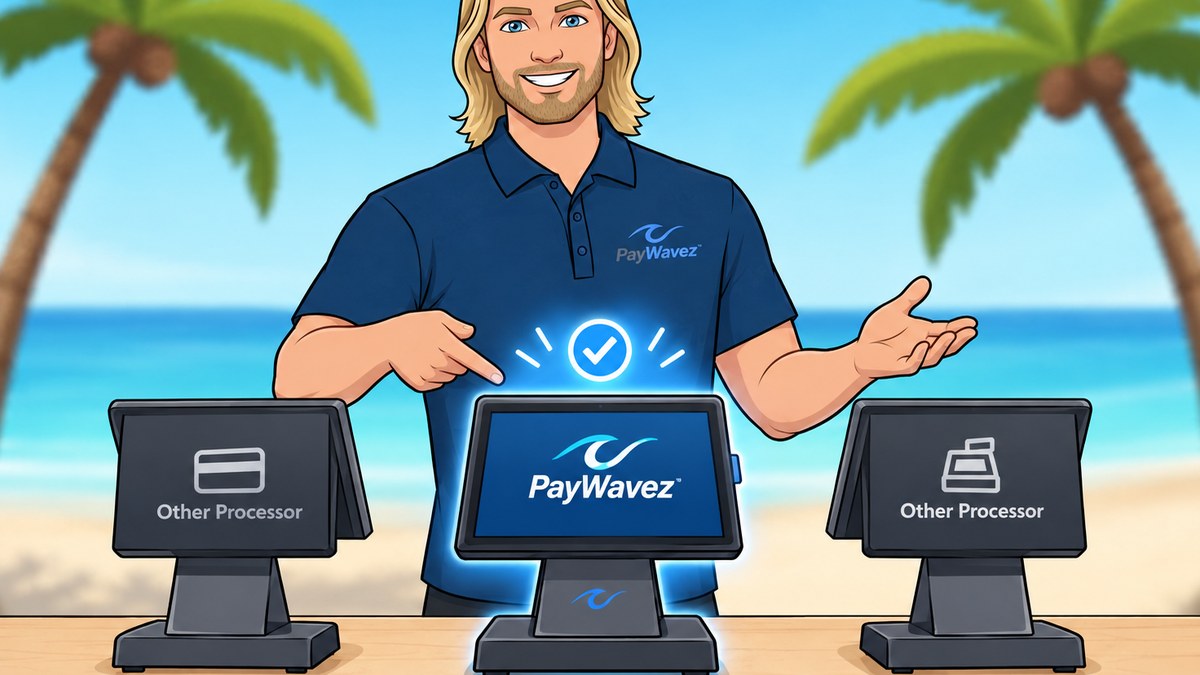
Connectivity and Security: Wi-Fi, 4G, and Bluetooth
Connectivity is a major pain point for mobile businesses. Card readers almost always rely on Bluetooth to talk to your phone. We have all experienced Bluetooth failing at the worst time. If you are a merchant in a high-traffic area, signal interference can make a card reader feel like a toy. Smart terminals offer multiple layers of backup. Most can connect to Wi-Fi, but the best models also have a built-in 4G LTE SIM card. If your shop's internet goes down, the terminal automatically switches to cellular data so you never miss a sale.
Security is the other side of the coin. Because smart terminals are "closed" systems, they are much harder to hack than a standard smartphone. When you use a card reader on a phone, that phone is also used for email, social media, and games. This creates more "surface area" for security risks. A smart terminal is a PCI-compliant vault. It does one thing: it processes payments securely. This gives both you and your customers peace of mind, especially as data breaches become more common.
Software Integration: Inventory and Employee Management
If you are just selling one type of product at a craft fair, a card reader is fine. But if you have a real inventory to track, you need a smart terminal. These devices act as a Point of Sale (POS) system. You can upload your entire product list, set tax rates for different items, and track what is selling in real-time. You can even see which of your employees is bringing in the most revenue.
For businesses in the service industry, smart terminals are a game changer. They can handle complex tipping prompts that are proven to increase tip amounts for your staff. They can also integrate with software like Pandarly or DetailIQ to manage bookings and customer history. A card reader simply can't do this. It is a one-way street for money, whereas a smart terminal is a two-way street for business data. This data helps you make better decisions about when to stay open and what products to stock.
Why Local Gulf Coast Businesses Prefer Smart Terminals
We work with many businesses across the South, from the Alabama payment processing hub down to the tourist-heavy beaches. In places like Destin, business is seasonal and fast-paced. When a summer crowd hits a beachside shop, they don't want to wait for a Bluetooth reader to pair with an iPad. They want to tap their phone and go.
Local merchants prefer smart terminals because they are durable. They can handle the heat, the humidity, and the constant use of a busy tourist season. Furthermore, local support is easier with a terminal. If a smart terminal has an issue, a technician can often log in remotely to fix the software. With a cheap card reader, if it breaks, you are usually stuck waiting for a new one in the mail while your business sits in the dark. Having a robust system means you are always ready for the next customer.
Making the Right Choice for Your Small Business
So, which one should you choose? If you are a brand new business with very low volume (under $1,000 a month) and you don't mind using your personal phone, a card reader is a low-cost way to start. It gets you in the game without a large investment. However, if you are a professional business owner looking to scale, a smart terminal is the better investment. It offers lower long-term costs through better processing rates, higher security, and the ability to run your entire business from one screen.
Remember that the hardware is only part of the equation. The merchant account behind the device is what determines your monthly bill. At PayWavez, we focus on providing the hardware and the transparent pricing that keeps more money in your pocket. Whether you need a mobile solution or a countertop powerhouse, understanding the technical side helps you stay in control. To wrap up, the main answer to what is a smart terminal vs a reader comes down to independence. One is a tool, and the other is a complete business solution. Choose the one that matches your ambition.
Ready to see your own numbers?
Run your real card volume through the calculator or apply in about two minutes.