
POS & Terminals
Best POS System for a Small Business: How to Choose in 2026
Choosing the right point-of-sale system is about more than just ringing up sales; it's about protecting your margins from high processing fees and complex contracts.
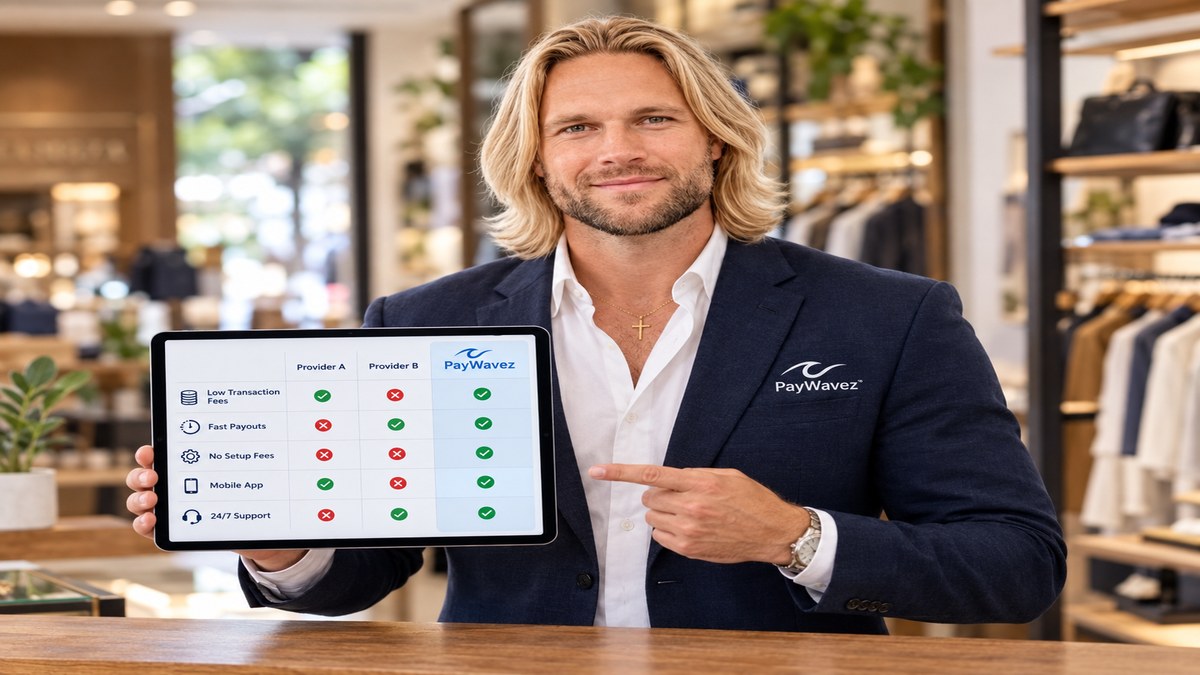
Finding the best pos system for a small business means looking past the sleek hardware and focusing on the total cost of ownership. For many merchants, the point-of-sale (POS) is the heart of the company. It handles every card payment, tracks inventory, and manages customer data. However, if you choose a system based only on the looks of the terminal, you might end up trapped in a contract with high processing fees that eat away at your profits every month.
Understanding the Real Cost of Your POS
When you start searching for a terminal, you will see many low-cost or even free offers. It is important to remember that companies rarely give away hardware without a catch. Usually, that catch is a higher processing rate. Small business owners often face two main types of pricing: flat-rate and interchange-plus. Flat-rate pricing sounds simple, but it is often the most expensive way to accept cards. You pay the same percentage for a basic debit card as you do for a high-end rewards credit card. With interchange-plus pricing, you pay the actual cost from the card brands plus a small, transparent markup. This is almost always the better deal for a growing business.
What Defines the Best POS System for a Small Business?
The best pos system for a small business is one that scales with you. It should not just be a calculator with a card slot. A modern system needs to handle EMV chip cards, contactless payments like Apple Pay, and traditional magstripe swipes. But beyond the hardware, the software must be easy for your staff to use. If it takes three days to train a new employee on how to run a transaction or issue a refund, the system is too complex. Look for a cloud-based solution. This allows you to check your sales figures from your phone while you are at home or running errands. You should also look for a system that integrates with your merchant account seamlessly so that your daily batches settle quickly into your bank account.
According to industry data, small businesses that switch from traditional flat-rate processing to a dual-pricing or surcharging model can increase their net profit margins by as much as 3% to 4% annually by eliminating the cost of credit card acceptance.
The Power of Surcharging and Cash Discounts
One of the biggest trends in 2026 is the move toward zero-fee processing. This is done through surcharging or cash discount programs. A surcharge is a small fee added to a credit card transaction to cover the cost of the processing. If a customer pays with cash or a debit card, they do not pay the fee. This allows the business owner to keep 100% of the sale price. Many business owners in the Gulf Coast region are adopting this to offset rising costs. For example, if you run a shop and need Orange Beach credit card processing, implementing a dual-pricing model can save you thousands of dollars a year. The best POS systems have these rules built into the software, so the math is done automatically at the register.
"Your POS system should be a profit center that helps you grow, not a monthly drain that complicates your accounting and hides your true costs."
Hardware Options: Terminals vs. Full POS
Not every business needs a giant touchscreen with a cash drawer. If you run a mobile service business, a handheld smart terminal might be the right choice. These devices have built-in printers and cellular connections, allowing you to take payments anywhere. If you have a fixed retail location, a full POS system with a customer-facing display is better. It looks professional and allows customers to enter their PIN or sign for a purchase privately. You can see many of these options in action by viewing a live POS demo. The goal is to match the hardware to your specific workflow so you aren't paying for features you will never use.
Managing Chargebacks and Security
Security is a non-negotiable part of any payment setup. The best POS systems are fully PCI-compliant and use encryption to protect cardholder data. This protects you from the nightmare of a data breach. Furthermore, a good system helps you fight chargebacks. When a customer disputes a charge, you need clear records of the transaction, including the date, time, and proof that the card was present. High-quality terminals capture this data automatically. If you are operating in a high-traffic tourist area, such as those served by Alabama payment processing experts, having robust fraud protection is essential to keeping your merchant account in good standing.
Avoiding Common Merchant Account Scams
Unfortunately, the payment industry is full of "smoke and mirrors." Some providers will offer you a very low rate but then add on monthly statement fees, PCI non-compliance fees, and annual membership dues. Always ask for a full list of every possible fee before you sign a contract. The best pos system for a small business comes with a provider that offers transparent, month-to-month service. If a company tries to lock you into a three-year contract with a heavy cancellation fee, that is a red flag. You should have the freedom to leave if the service or the technology no longer meets your needs.
Ready to see your own numbers?
Run your real card volume through the calculator or apply in about two minutes.