
Contractor Payments
What Payment Methods Do Home Service Contractors Accept?
Choosing the right way to take payments can be the difference between a healthy cash flow and a constant struggle to collect from customers.

What payment methods do home service contractors accept is a question that every plumber, electrician, and landscaper must answer before they head out to their first job. In the past, the answer was simple: cash or check. However, times have changed. Today, homeowners expect the same convenience they get at a retail store. If you are looking for the absolute best payment processing for contractors, you need to look at options that allow you to take payments right on the doorstep or through a secure digital link.
The Traditional Trio: Cash, Checks, and Credit Cards
For decades, the home service industry relied on paper. Cash was king because it was immediate. Checks were common for larger jobs like roof replacements or kitchen remodels. While these methods still exist, they have major downsides for a growing business. Cash is hard to track and can be lost or stolen. Checks can bounce, leaving you with a completed job and zero pay. This is why credit and debit cards have become the industry standard. Most contractors now carry a mobile card reader. This allows them to swipe or tap a card as soon as the work is finished. It eliminates the need to "send a bill" and wait weeks for a check to arrive in the mail.
The Rise of Digital Invoicing and ACH
For very large projects, some contractors prefer ACH transfers. This is essentially an electronic check. It moves money directly from the customer’s bank account to yours. The fees for ACH are usually much lower than credit card fees. However, it can take a few days for the funds to clear. Digital invoicing is another major trend. Instead of handing over a paper receipt, you email or text a link to the customer. They can click the link and pay with a card or Apple Pay from their phone. This is highly effective for "no-contact" services or when the homeowner isn't present during the job.
Recent industry surveys show that 75% of homeowners prefer to pay for home services with a credit or debit card rather than cash or check.
What payment methods do home service contractors accept?
When looking at what payment methods do home service contractors accept, the list usually includes Visa, Mastercard, American Express, and Discover. Most modern merchant accounts allow you to accept all four. Beyond the card type, contractors also accept mobile wallets like Google Pay and Apple Pay. These are becoming more popular because they are fast and very secure. By accepting a wide range of digital payments, you reduce the friction of the sale. If a customer has to go find their checkbook or run to the ATM, they might delay the payment. If they can just tap their phone against your mobile terminal, you get paid instantly.
Understanding Processing Fees and Surcharging
One reason some contractors are slow to accept cards is the cost. Every time you swipe a card, a small percentage goes to the banks and the processor. These are called interchange fees. For a small business, these fees can eat into your profit margins. However, there is a way to accept cards for free. This is called surcharging or a cash discount program. With surcharging, you add a small fee (usually around 3%) to the bill if the customer chooses to pay with a credit card. If they pay with cash or a debit card, they don't pay the fee. This allows you to offer the convenience of card payments without losing money on the processing costs.
The best payment method is the one that gets the money into your bank account today, not next month.
Mobile Terminals vs. Countertop POS
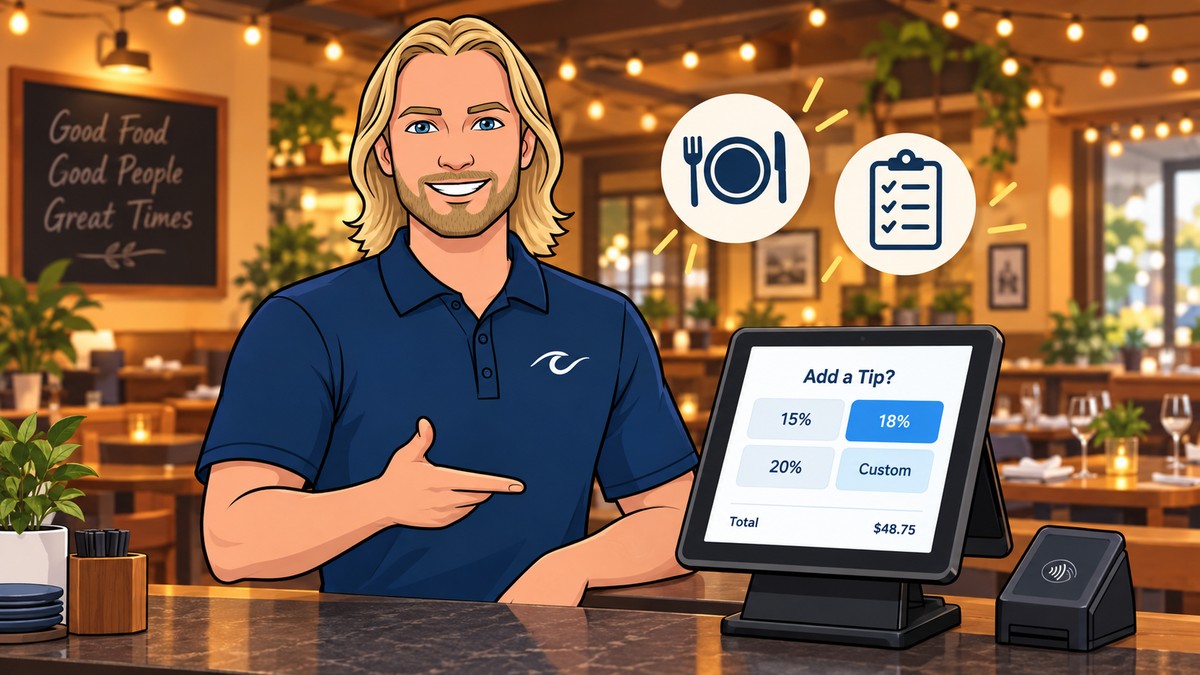
Since home service contractors are always on the move, a standard countertop register doesn't make sense. Instead, you need a mobile point-of-sale (POS) system. Devices like the Clover Go or other smart terminals connect to your smartphone via Bluetooth. You can enter the amount, let the customer tap their card, and even have them sign the screen. These devices are rugged and designed for field use. They provide a professional image to your customers. It looks much better to use a dedicated terminal than to manually type card numbers into a website, which can also lead to higher "card-not-present" fees.
Preventing Chargebacks in the Field
A chargeback happens when a customer disputes a charge with their bank. In the home service world, this often happens if a customer isn't happy with the work or claims they didn't authorize the charge. To prevent this, always get a signature on the digital receipt. You should also take photos of the completed work and attach them to the job record in your software. Using a chip-enabled (EMV) reader is also vital. If you swipe a chip card instead of dipping it, you are liable for any fraud that occurs. Modern terminals protect you from these risks.
Local Support for Gulf Coast Contractors
If you are running a business in the South, you know that local service matters. Whether you are looking for Alabama payment processing or you specifically need Pensacola credit card processing, having a partner who understands your market is a huge advantage. At PayWavez, we help local contractors set up their mobile terminals and navigate the rules of surcharging so they can keep more of their hard-earned money. You can even see how our systems work in real-time by checking out our live demo.
Conclusion: Choosing Your Payment Strategy
In summary, the answer to what payment methods do home service contractors accept is evolving. While cash and checks are still around, the most successful businesses are those that embrace mobile card processing and digital invoicing. By offering multiple ways to pay, you make your customers' lives easier and ensure you get paid on time. If you want to dive deeper into the specific hardware and software tools available, be sure to read our full guide on the best payment processing for contractors to find the perfect fit for your business.
Ready to see your own numbers?
Run your real card volume through the calculator or apply in about two minutes.