
POS & Hardware
What Is a POS System Used For? A Guide for Small Business Owners
If you are opening a new shop or looking to upgrade your checkout counter, you need to understand the tools that keep your money moving safely.
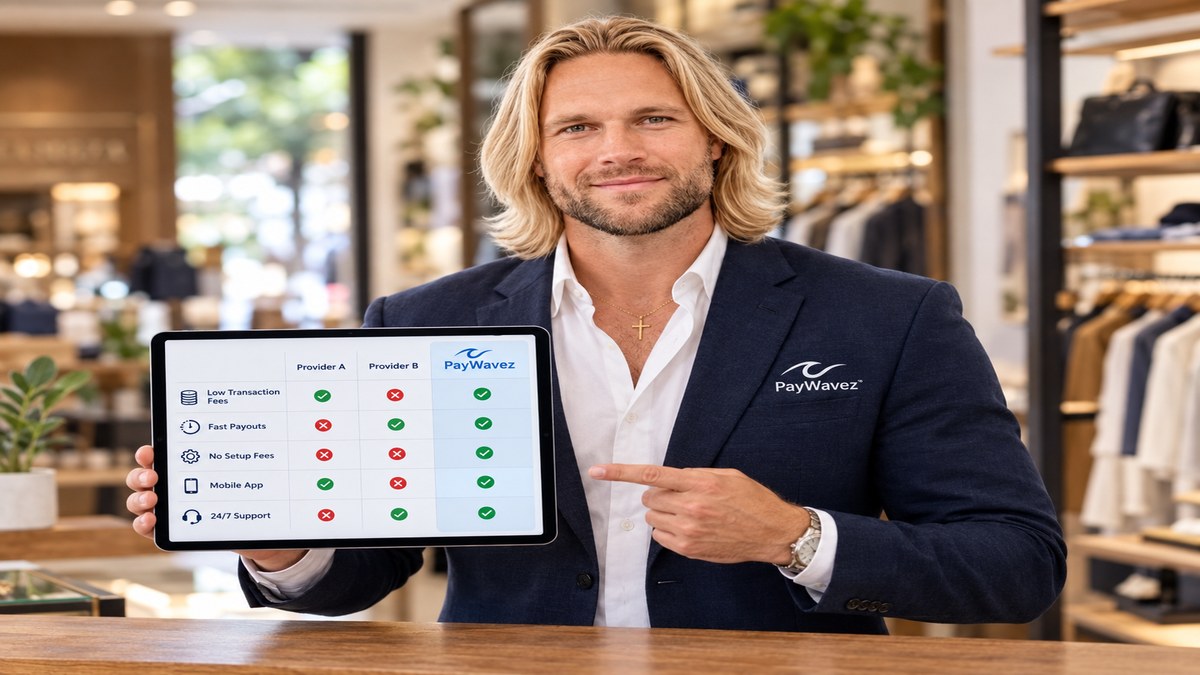
What is pos system used for? At its core, it is the central hub where your business accepts payments, manages daily operations, and tracks every dollar that comes through your door. For a small business owner in the United States, a Point of Sale (POS) system is much more than just a digital cash register. It is the bridge between your customer’s credit card and your bank account. In this guide, we will break down exactly how these systems work, why they are vital for processing card payments, and how they can help you manage the costs of doing business.
Accepting Credit and Debit Card Payments
The most common answer to the question of what a POS is used for is processing transactions. When a customer hands you a Visa, Mastercard, or American Express card, the POS system reads the data from the chip or the magnetic stripe. It then sends that information to your merchant account provider to make sure the customer has enough money to cover the purchase. This happens in seconds, but a lot goes on behind the scenes. The system handles encryption to keep the data safe and ensures that you are compliant with security standards. Without a modern POS terminal, you would struggle to accept the contactless payments that many customers now prefer, such as Apple Pay or Google Pay.
Managing Merchant Accounts and Processing Fees
Every time you swipe a card, you pay a fee. What is pos system used for in this context? It helps you track those costs. Your POS is linked to your merchant account, which is the special bank account that holds your credit card funds before they are moved to your regular business checking account. Different POS setups offer different fee structures. Some might charge a flat rate, while others use interchange-plus pricing. A good POS system will give you clear reports so you can see exactly how much you are paying in processing fees each month. This transparency is key to making sure you aren't overpaying for the right to accept plastic.
According to industry data, businesses that switch from manual entry to an integrated POS system reduce checkout errors by over 30%, saving hundreds of dollars in lost revenue each year.
What is pos system used for in inventory management?
Beyond just taking money, a POS system is used for keeping track of what you have in stock. Every time a product is scanned at the terminal, the system automatically subtracts that item from your inventory levels. This means you don't have to spend hours at the end of the week counting boxes in the back room. For small businesses, this real-time data is a lifesaver. You can set up alerts to tell you when you are running low on a specific item, ensuring you never miss a sale because you ran out of stock. It also helps you identify which products are your best sellers and which ones are just taking up space on the shelf.
A modern POS system isn't just a cost of doing business; it is a tool that gives you back hours of your time every single week.
Implementing Surcharging and Cash Discount Rules
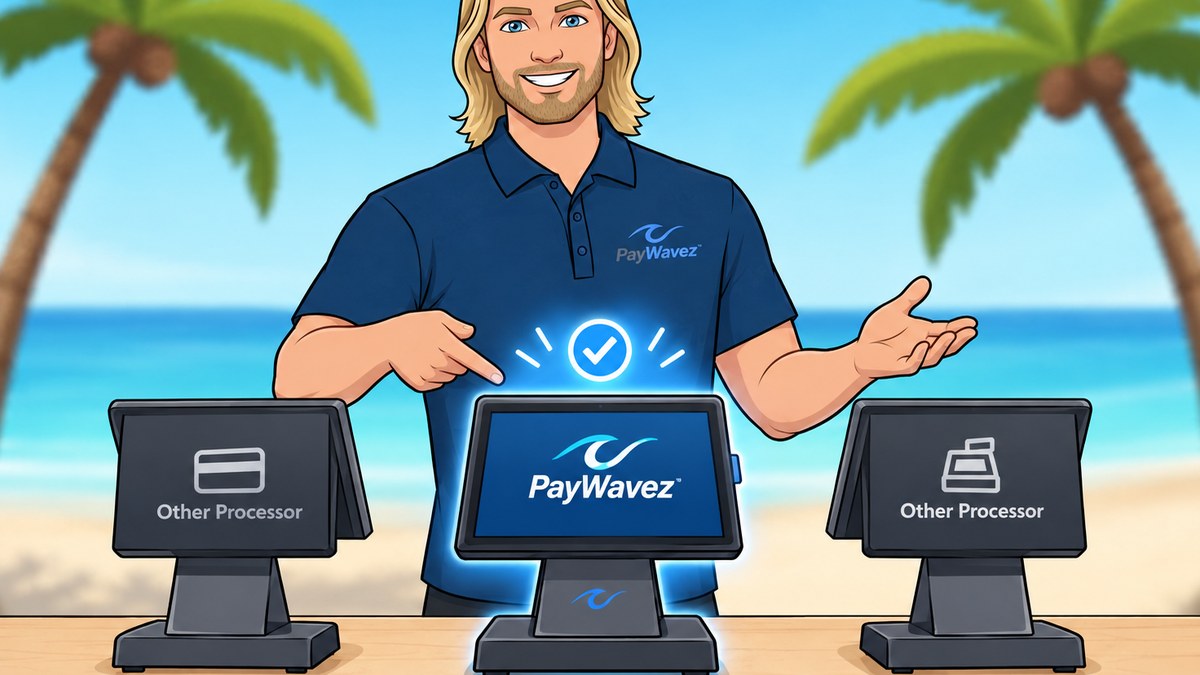
One of the biggest challenges for small business owners today is the rising cost of credit card processing. Many owners are now looking at surcharging or cash discount programs to offset these fees. A POS system is used for applying these rules legally and automatically. If you choose to use a surcharge program, the POS will add a small percentage to credit card transactions to cover your processing costs. If you use a cash discount program, the POS displays the credit price but gives a discount to customers who pay with green paper. Doing this manually is a nightmare and can lead to legal trouble if you don't follow state-specific rules. A smart POS handles the math and the signage requirements for you.
Protecting Your Business from Chargebacks
Chargebacks happen when a customer disputes a charge with their bank. These can be expensive and frustrating for merchants. What is pos system used for here? It provides the digital paper trail you need to fight back. A high-quality POS system records the time of the sale, the card entry method (like an EMV chip dip), and often a digital signature. If a customer claims they never made a purchase, you can use the data from your POS to prove the transaction was legitimate. This evidence is crucial for winning disputes and keeping your hard-earned money in your pocket.
Choosing Between Terminals and Mobile Readers
Not every business needs a massive countertop setup. Depending on your industry, you might need a mobile card reader that plugs into a phone or a sleek handheld smart terminal. If you run a service business on the Gulf Coast, you might need to take payments at a customer's home or at a local market. Modern POS systems are flexible. They allow you to use the same software on a large screen at your main location and on a tablet while you are on the go. This flexibility ensures that you never have to tell a customer that you can't take their card.
Reporting and Small Business Growth
Finally, a POS system is used for generating the reports you need to grow. You can see your total sales by day, week, or month. You can see which employees are processing the most transactions and what time of day is your busiest. For businesses in places like Alabama, understanding these seasonal trends is vital. You can see how tourist season impacts your bottom line and plan your staffing accordingly. By looking at your POS data, you stop guessing about your business and start making decisions based on real numbers.
If you are ready to see how a modern system can transform your checkout experience, you should check out a live demo of our latest hardware. Whether you are looking for Destin credit card processing or help in another city, having the right tools at your counter makes all the difference.
Ready to see your own numbers?
Run your real card volume through the calculator or apply in about two minutes.