
Fees & Rates
Visa Merchant Codes: The Small Business Owner’s Guide to Lower Fees
Understanding how your business is classified by credit card networks can save you thousands in hidden processing costs every year.
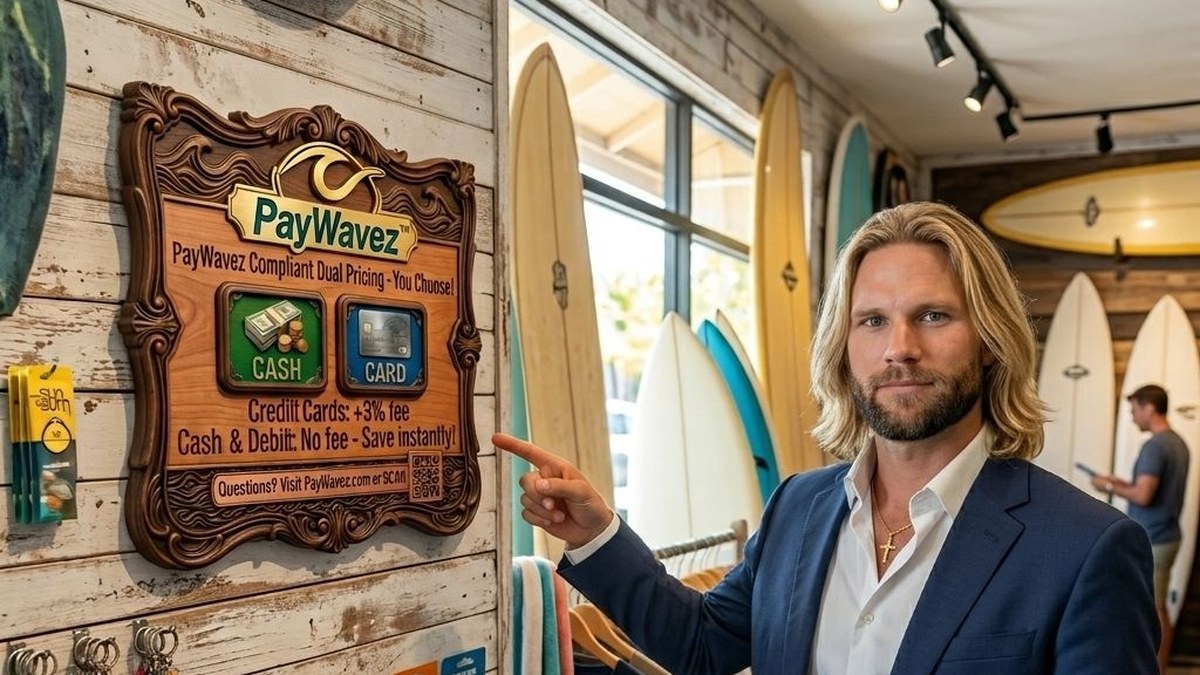
Visa merchant codes are the silent engine behind every credit card transaction your small business processes. Often referred to as Merchant Category Codes (MCCs), these four-digit numbers tell the bank exactly what kind of business you run. While they might seem like a minor technical detail, they actually dictate your interchange rates, your ability to surcharge, and even how you are taxed at the end of the year. If you want a foundational look at this topic, you should first read our guide on merchant category codes explained to see how all card brands use these identifiers.
What Exactly Are Visa Merchant Codes?
When you sign up for a merchant account, your processor assigns you a code based on your primary business activity. Visa maintains a massive list of these codes to group similar businesses together. For example, a full-service restaurant is usually assigned code 5812, while a clothing store might be 5651. These codes were originally created by the IRS in 2004 to track business reporting, but the card networks quickly realized they were the perfect tool for setting risk-based pricing.
For a small business owner, the specific code assigned to your shop matters because it places you into a specific "bucket" of risk. A business that sells high-end jewelry (high risk of fraud and chargebacks) will have a different code and a different fee structure than a local grocery store (low risk, high frequency). If your merchant service provider accidentally puts you in the wrong bucket, you could be paying much higher rates than your neighbors for the exact same transactions.
How Interchange Rates Depend on Visa Merchant Codes
Interchange is the non-negotiable fee paid to the bank that issued the customer's card. Visa sets these rates, and they vary wildly based on your MCC. This is where the money is won or lost. Visa often offers lower "Emerging Market" rates for specific industries like utilities, education, and certain healthcare providers to encourage them to accept cards. If your business qualifies for one of these special categories but is coded as a general retailer, you are essentially giving away a percentage of every sale to the bank for no reason.
According to industry data, businesses classified under "Emerging Market" MCCs can pay up to 0.50% less in interchange fees compared to standard retail classifications.
Beyond the base rate, your code also determines if you qualify for "Level 2" or "Level 3" processing data. This is especially important for B2B businesses. If you have a code that suggests you sell to other businesses, providing extra data like tax amounts or purchase order numbers can slash your fees. However, if your Visa merchant codes are set to a consumer-facing retail category, you won't even have the option to access these lower rates.
Common Visa Merchant Codes for Small Businesses
While there are hundreds of codes, most small businesses fall into a handful of common categories. Knowing yours is the first step toward auditing your merchant statement. Here are a few examples:
- 5812: Eating Places and Restaurants
- 5813: Drinking Places (Bars, Taverns, Nightclubs)
- 5411: Grocery Stores and Supermarkets
- 7230: Barber and Beauty Shops
- 5211: Lumber and Building Materials Stores
- 5912: Drug Stores and Pharmacies
If you operate a multi-faceted business, such as a boutique that also has a small cafe, choosing the right code becomes a strategic decision. You generally want to be coded under the category that represents the highest volume of your sales, but you also want to choose the category with the lowest associated risk and interchange cost. This is where working with a transparent partner like PayWavez makes a difference. We help businesses from Alabama payment processing hubs to local shops in Gulf Shores ensure their accounts are set up correctly from day one.
Your merchant category code is the DNA of your processing statement; if it's wrong, everything else costs more.
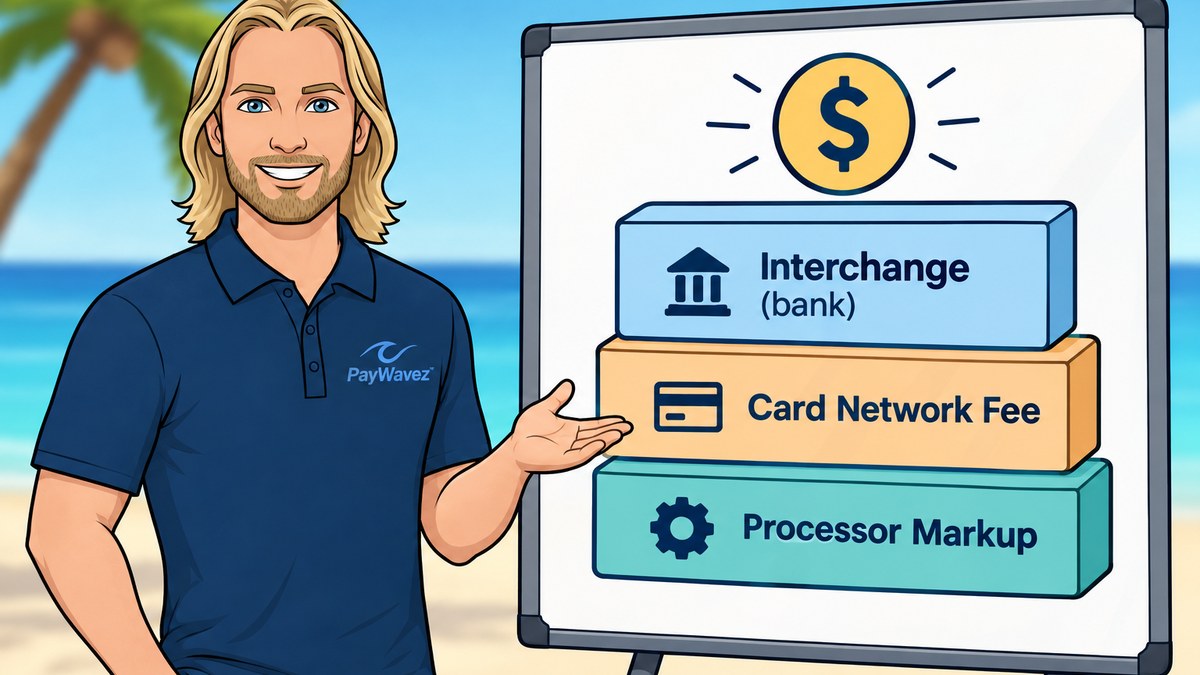
The Impact on Surcharging and Cash Discounts
If you are looking to lower your costs by passing the credit card fees to the customer, your MCC is critical. Visa has strict rules about which businesses can surcharge. For example, in many jurisdictions, government agencies or utilities have different rules than a standard retail shop. Furthermore, if you are incorrectly coded as a "High Risk" merchant, you might face more scrutiny when setting up a dual-pricing or surcharge program.
At PayWavez, we specialize in helping merchants implement these programs legally and effectively. By ensuring your Visa merchant codes are accurate, we make sure your POS system is programmed with the correct logic to handle these transactions without triggering compliance red flags. You can see how this looks in action by viewing our live software demo.
How to Find and Fix a Wrong Code
Most business owners have no idea what their code is. To find it, look at your monthly merchant statement. It is usually listed in the "Account Summary" or "Merchant Information" section. If you see a code that doesn't match what you actually do—for example, if your landscaping business is coded as a florist—you need to take action immediately.
Fixing a code usually requires contacting your merchant service provider. You may need to provide a brief description of your business or a link to your website to prove your actual category. A good processor will advocate for you with the card brands to get your classification updated. This simple fix can lead to an immediate drop in your monthly processing bill because it changes the underlying interchange cost of every swipe.
Conclusion: Why Accuracy Matters
In the world of payments, small details lead to big expenses. Your classification is the foundation of your entire merchant account. By understanding your specific Visa merchant codes, you gain control over your overhead. Don't let a clerical error at a big-bank processor drain your profits. For a deeper dive into the mechanics of these classifications, don't forget to revisit our article on merchant category codes explained to stay ahead of the curve.
Ready to see your own numbers?
Run your real card volume through the calculator or apply in about two minutes.