
Choosing a Processor
How to Switch Payment Processors Without Losing a Single Day of Sales
The fear of a switch isn't the paperwork -- it's the idea of a dead register mid-shift. Here's the order of operations that keeps you taking payments the whole time.

Why a switch doesn't have to mean downtime
The biggest fear around switching payment processors isn't the paperwork -- it's the idea of a register going dark mid-shift. In practice, a well-run switch overlaps the old and new accounts instead of cutting one off before the other is ready. You keep taking payments on your current setup right up until the new one is tested and live, then flip over on your own schedule.

The order that actually prevents a gap
- Apply for the new merchant account before canceling anything -- PayWavez's onboarding uses 2-Minute Instant Boarding, so a straightforward application can clear underwriting the same day
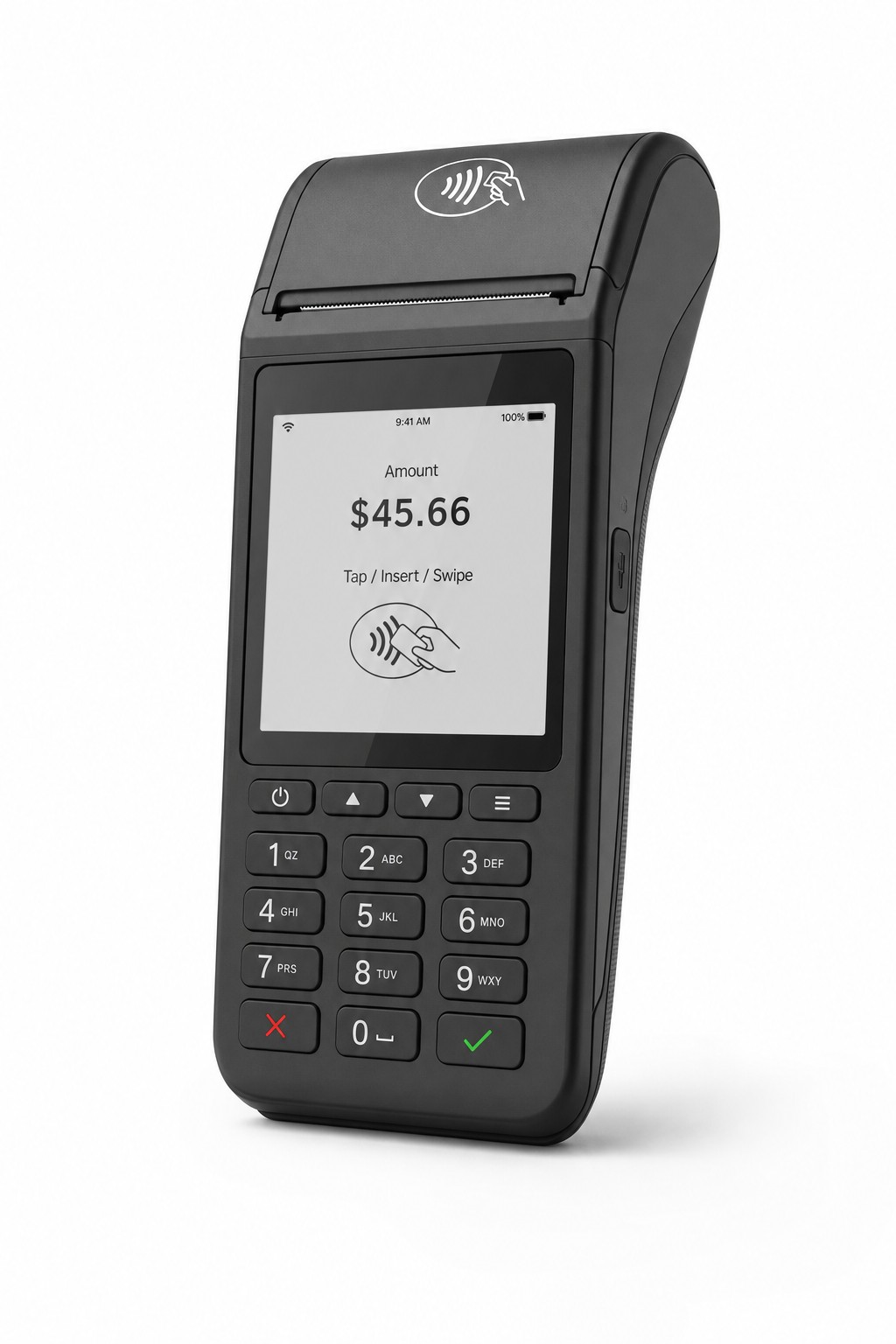
- Get new hardware or a reprogrammed terminal delivered and tested with a real $1 transaction before your first live sale on it
- Run both processors side by side for at least one full business day so staff can catch any setup issue while the old system is still a safety net
- Only cancel the old account once a real batch has settled successfully on the new one -- not just after the first approved swipe
What to ask before you commit to a date
Confirm whether your current provider requires written notice before cancellation, and check your new provider's actual go-live timeline in writing rather than assuming it matches a sales pitch. If you run recurring billing or saved cards on file, ask specifically how those get carried over -- that's the part most likely to slip through the cracks in a rushed switch.
Want a real timeline before you commit?
See what a PayWavez switch actually looks like for your setup, in writing.
Ready to see your own numbers?
Run your real card volume through the calculator or apply in about two minutes.