
Business Security
How to Handle Secure Payments as a Contractor
Accepting payments in the field shouldn't mean compromising on security or paying outrageous fees. Professional contractors protect their revenue by using encrypted hardware and secure virtual tools.
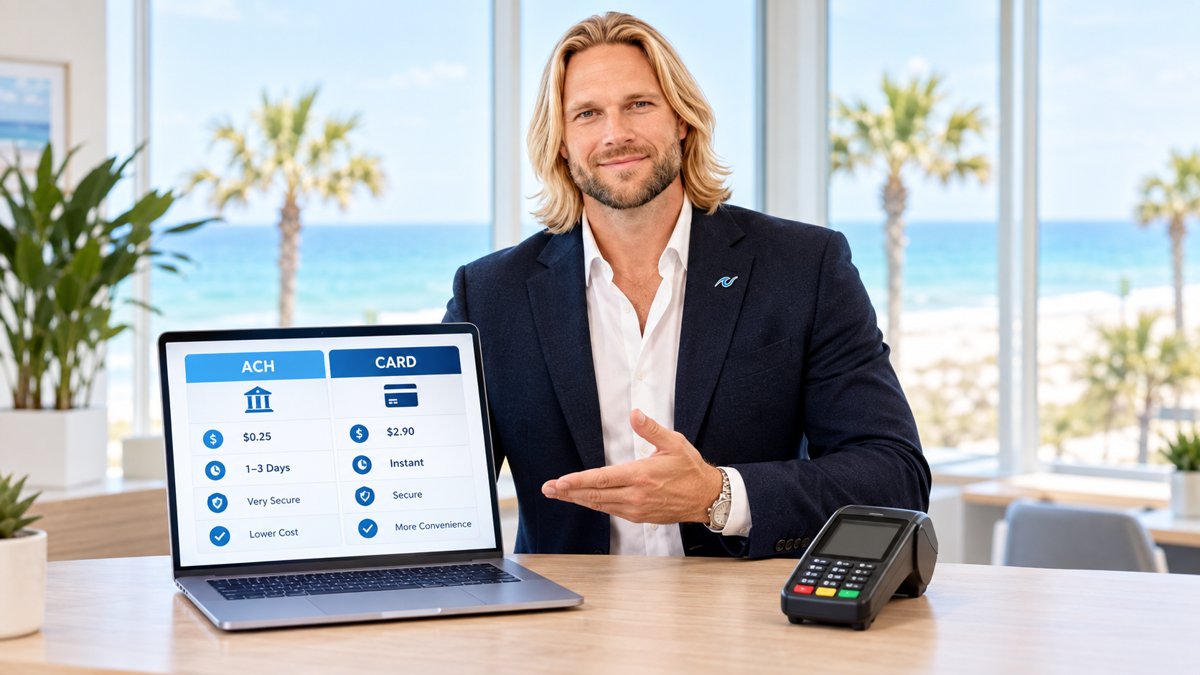
For a contractor, getting paid is the best part of the job. But if you aren't using secure payment methods, that hard-earned money could be at risk. Between the threat of chargebacks and the risk of data breaches, managing money in the field requires the right tools. Before you swipe another card, you should understand how to keep your business and your customers safe.
The most important step is choosing a system that prioritizes encryption and compliance. If you want a deep dive into the basics of the industry, check out our contractor payment processing guide to see how the landscape is changing.
The Security Baseline: PCI Compliance and EMV
Every contractor who accepts credit cards must follow PCI DSS (Payment Card Industry Data Security Standard) rules. This sounds complicated, but for most small businesses, it simply means using hardware and software that does the heavy lifting for you. You should never write down a customer’s card number on a piece of paper or store it in a plain text file on your phone.
Security starts with the hardware. You have likely heard of EMV, which is the technical name for "chip" cards. When a customer inserts their chip into your reader, the transaction is much more secure than a traditional swipe. Swiping relies on a magnetic stripe that is easy to counterfeit. The chip creates a unique code for every single transaction, making it nearly impossible for hackers to steal usable data.
Key Security Takeaway
Using EMV (chip) technology can reduce the risk of counterfeit card fraud by over 80% compared to using old-fashioned magnetic stripe swiping.
Mobile Readers vs. Countertop Terminals
One of the biggest decisions a contractor faces is choosing between a mobile reader and a countertop terminal. For most people in the trades, a mobile reader is the clear winner. These devices connect to your smartphone or tablet via Bluetooth or a headphone jack, allowing you to take secure, encrypted payments right at the job site. However, if you have a physical showroom or office, a countertop terminal might offer more stability and lower long-term costs.
"A secure payment isn't just a technical requirement; it's the final handshake that ensures your hard work gets paid for without the threat of a chargeback."
Securing Deposits with a Virtual Terminal
Contractors often need to take deposits before a project begins. You don't always have the customer in front of you when it's time to collect that first 20%. In these cases, using a Virtual Terminal is the safest way to handle the transaction. A virtual terminal allows you to log in to a secure portal on your computer or phone and type in the card information while you are on the phone with the client.
This is much safer than having them email you their card details. The virtual terminal encrypts the data immediately, ensuring that the sensitive numbers are never stored on your own devices. This protects you from liability if your phone or computer is ever lost or stolen.

Protecting Your Business Against Chargebacks
A chargeback happens when a customer disputes a charge with their bank. For contractors, this is a major risk, especially on high-ticket jobs. To protect yourself, always follow these three steps:
- Get a Signature: Whether it is on a digital screen or a physical receipt, always have the customer sign for the work.
- Detailed Invoices: Clearly list the work performed and the materials used.
- Photos of Completion: Take photos of the finished job site. This evidence is vital if you ever need to fight a false dispute.
If you are looking to improve your overall business operations, consider checking out the Operator Lab, which offers free resources for service-based business owners trying to scale their systems.
Moving Toward a More Secure Future
Security and profit go hand in hand. When you use secure tools, you spend less time worrying about fraud and more time focusing on your craft. If you want to see how these tools look in action, you can view our live demo to explore the interface. For those based in the Southeast, our Alabama payment processing hub provides local support tailored to Gulf Coast businesses.
Remember, the goal is to make the payment process as professional as the work you do on-site. By following the tips in this guide and our full contractor payment processing guide, you can ensure your business stays protected and profitable for years to come.
Ready to see your own numbers?
Run your real card volume through the calculator or apply in about two minutes.