
Retail Hardware
Retail Credit Card Processing: Should You Choose a Countertop Terminal or a Mobile Reader?
Choosing the right hardware for your retail store depends on how your customers shop. If you have a fixed checkout counter, a terminal is best; if you sell on the floor or at events, a mobile reader is the way to go.
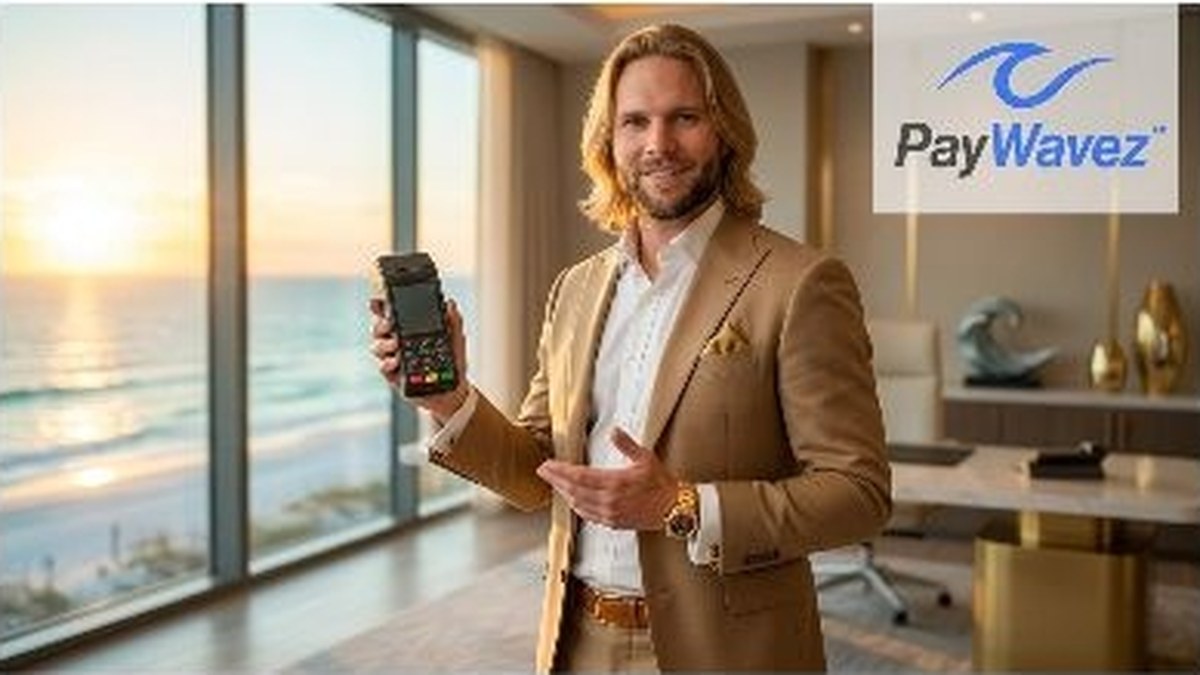
For a retail business owner, picking the right credit card processing setup feels like a big commitment. You want something that works every time, looks professional, and doesn't cost a fortune in hidden fees. The first choice you usually face is between a traditional countertop terminal and a handheld mobile card reader.
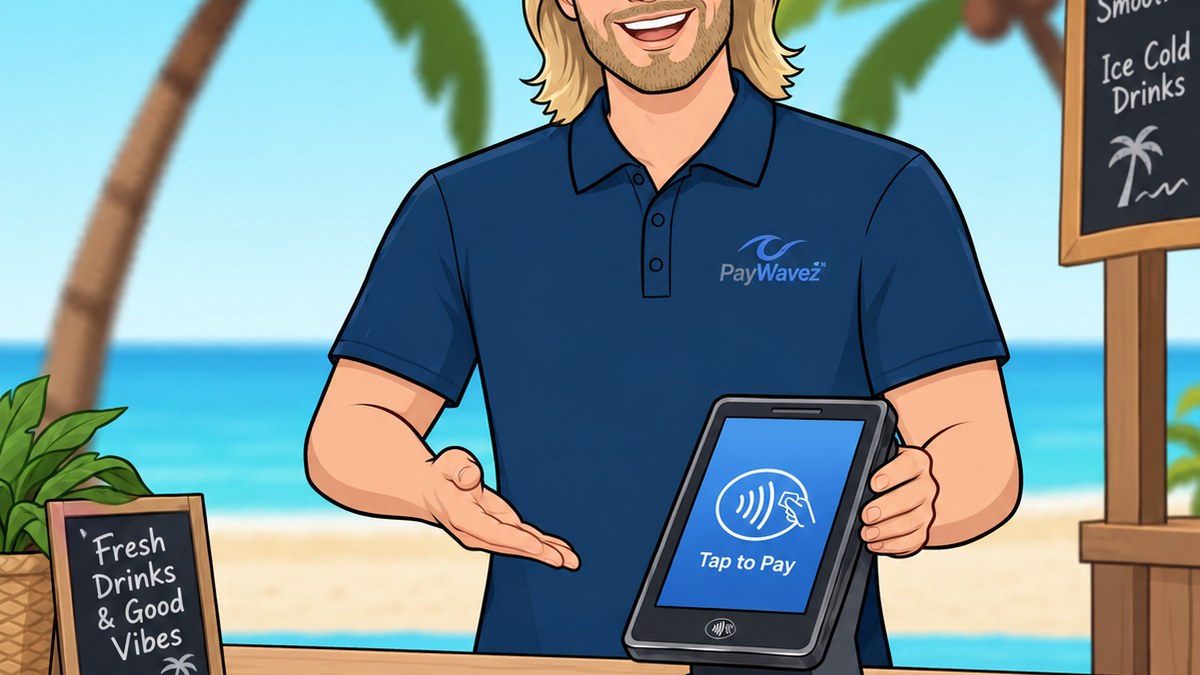
The Direct Answer: Which One Do You Need?
If your customers always bring their items to a specific counter to pay, a countertop terminal is the gold standard. It is built for heavy use and usually has a more reliable internet connection. If you run a boutique where you want to check people out on the sales floor, or if you take your shop to local markets, a mobile card reader is the better choice. Many modern retail shops actually use both to keep lines moving during busy hours.
Countertop Terminals: The Retail Workhorse
Countertop terminals are the sturdy machines you see at most grocery stores and hardware shops. They are designed to sit in one place and handle hundreds of swipes, dips, and taps every day.
- Reliability: Most countertop units plug directly into an Ethernet port (your internet router). This means you don't have to worry about weak Wi-Fi signals causing a transaction to fail while a customer is waiting.
- Built-in Features: These units almost always have a built-in thermal printer for receipts and a clear screen for customers to enter PINs or sign.
- Customer Trust: There is a psychological benefit to a fixed terminal. Customers often feel more secure inserting their card into a dedicated machine than a small plastic dongle attached to a phone.
Mobile Card Readers: Flexibility for Modern Shops
Mobile readers have come a long way. They are no longer just tiny squares that plug into a headphone jack. Professional mobile readers are now standalone devices with touchscreens and 4G or Wi-Fi connectivity.
- Line Busting: If your checkout line gets too long, an employee can grab a mobile reader and start processing payments for people at the back of the line.
- Portability: If you sell at a Saturday market in Gulf Shores or a pop-up event, these devices are essential.
- Space Saving: For small kiosks or minimalist boutiques, a mobile reader takes up almost no counter space.
According to retail industry studies, roughly 15% of customers will leave a store without buying anything if they see a checkout line that looks too long or slow.
Comparing the Two: At a Glance
| Feature | Countertop Terminal | Mobile Reader |
|---|---|---|
| Connection | Ethernet / Wi-Fi | Wi-Fi / 4G LTE / Bluetooth |
| Durability | High (Built for constant use) | Moderate (Drop-sensitive) |
| Receipts | Built-in Printer | Email/Text (Some have printers) |
| Best For | Fixed Checkout Counters | Boutiques, Markets, Line-Busting |
At PayWavez, we often recommend the PayWavez Smart Terminal for retail owners who want the best of both worlds. It offers the power of a countertop system with the sleek, touchscreen interface of a mobile device. You can see how it works in action by viewing our live demo.
"Your credit card terminal isn't just a tool; it's the final handshake you have with every customer. If it's slow or confusing, that's the last thing they remember about your store."
Hidden Costs in Retail Processing
Whether you choose a mobile reader or a terminal, the hardware is only half the battle. Many retail owners are overpaying for the actual processing. Some companies lure you in with cheap hardware but then charge high "flat rates" that eat into your margins. Retailers in high-traffic areas like Alabama often find that a dual-pricing model—where the customer pays a small fee for using a card—can save the business thousands of dollars every year.
Ready to see your own numbers?
Run your real card volume through the calculator or apply in about two minutes.