
POS Systems
How Much Does a Restaurant POS System Really Cost?
Buying a POS system for your restaurant is more than just a one-time sticker price. To find the true cost, you have to balance hardware, software, and the processing fees that eat into every plate you sell.
When you start looking for a restaurant POS system, the pricing can feel like a moving target. One company offers "free" hardware but charges high monthly fees. Another has no monthly fee but takes a massive cut of every credit card sale. To make a smart choice, you need to look at the total cost of ownership over a full year.
The Three Pillars of Restaurant POS Pricing
Every POS quote you receive is built on three different costs. If a salesperson only talks about one, they are likely hiding the others.
- Hardware Costs: This is the physical stuff. It includes the touchscreen terminals, handheld tablets for servers, kitchen display screens (KDS), and receipt printers. You can pay for these upfront or on a lease.
- Software Subscriptions: Most modern systems charge a monthly fee per terminal. This covers the software updates, inventory tracking, and support.
- Processing Fees: This is what you pay to accept credit cards. This is often the largest cost over time, yet it is the one most owners ignore during the sales pitch.
Key Takeaway: A restaurant doing $50,000 a month in card sales might pay $1,500 monthly in processing fees. Over three years, that is $54,000—far more than the cost of the hardware itself.
Comparing Toast, Clover, and PayWavez
Let's look at how the major players stack up for a typical mid-sized restaurant. Note that these are illustrative examples based on standard industry offerings.
Toast
Toast is very popular because it is built specifically for restaurants. They often offer low upfront hardware costs to get you started. However, Toast typically requires you to use their own payment processing. This "locked-in" model often results in higher processing rates that you cannot negotiate later. Their software modules (like online ordering or loyalty programs) also come with extra monthly fees that can stack up quickly.
Clover
Clover is known for having some of the best-looking hardware in the industry. You can buy a Clover POS system (which we offer at PayWavez) and get access to a massive app market. Clover is flexible because different merchant service providers can support it. This means you can shop around for better processing rates while still using the same high-quality equipment.
PayWavez (The Dual-Pricing Advantage)
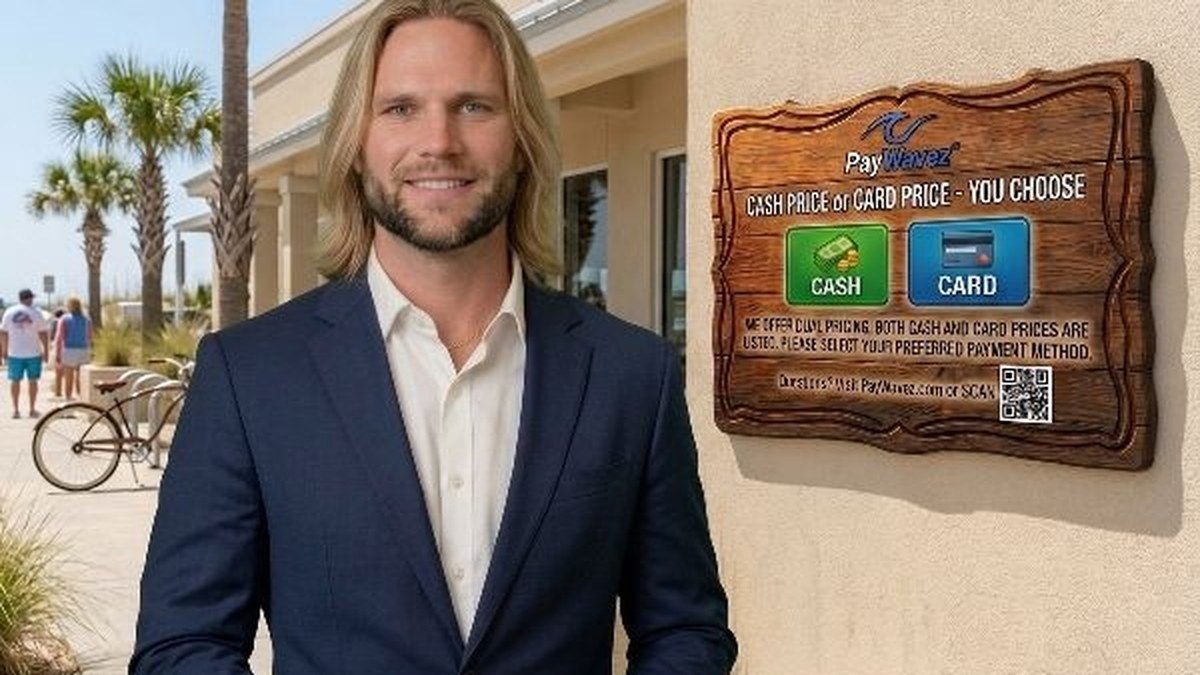
At PayWavez, we focus on the part of the bill that hurts the most: the processing fees. While we provide the same top-tier hardware as the big names, we specialize in Dual Pricing. Instead of you paying 3% on every transaction, the system automatically presents a small discount for cash customers. This can effectively bring your credit card processing costs down to nearly zero.
"The biggest mistake restaurant owners make is falling for 'free' hardware while signing away 3.5% of their gross revenue in processing fees for the next three years."

A Worked Example: The Real Math
Imagine a restaurant with $600,000 in annual credit card sales. Here is how the math might look over one year:
- Option A (Flat Rate 3.2%): You pay $19,200 in processing fees + $1,200 in software fees. Total: $20,400.
- Option B (PayWavez Dual Pricing): You pay $0 in processing fees (covered by the program) + $1,200 in software fees. Total: $1,200.
By focusing on the processing structure rather than just the hardware price, this restaurant saves over $19,000 in a single year. You can see how this works in action by viewing our live demo.
What to Watch Out For
Before you sign a contract, ask these three questions:
- Is the processing "locked"? If you want to switch processors in two years because rates went up, will you have to throw away all your hardware?
- What are the add-on costs? Does the price include gift cards, online ordering, and 24/7 support, or are those extra monthly "modules"?
- Is there a long-term contract? Avoid providers that try to lock you into 3-to-5-year deals with heavy cancellation fees.
If you are operating in the Southeast, especially near our Alabama service areas, we recommend talking to a local expert who understands the seasonal nature of the business. For example, restaurants using Gulf Shores credit card processing often need different setups for the busy summer tourist season versus the quieter winter months.
Ready to see your own numbers?
Run your real card volume through the calculator or apply in about two minutes.