
Fees & Rates
Online Payment Merchant Services: The Complete 2026 Guide
Accepting credit cards should be simple and affordable. This guide explains how to find the right merchant services to grow your business without overpaying.

Finding the right online payment merchant services is the first step toward growing your revenue and simplifying your daily operations. Whether you are running a retail shop, a restaurant, or a service-based business, the ability to accept credit and debit cards is no longer optional. Customers expect a seamless checkout experience, and as a business owner, you need a system that is secure, fast, and cost-effective. If you are looking for a specific list of providers, check out our guide on the best online merchant services for small business to see how the top players compare.
What Are Online Payment Merchant Services?
At its core, online payment merchant services refer to the suite of tools and financial relationships that allow a business to accept electronic payments. This includes the merchant account where your funds are held, the payment gateway that encrypts the transaction data, and the hardware or software used to initiate the sale. For many small business owners, these services are bundled together by a single provider to make things easier to manage. However, not all bundles are created equal. Some providers offer flat-rate pricing that seems simple but can actually cost you more as your volume grows. Others offer more transparent models like interchange-plus pricing, which passes the actual cost of the transaction from the card brands directly to you with a small, fixed markup.
How a Merchant Account Works
A merchant account is a special type of bank account that acts as a middleman between your customer’s credit card and your actual business bank account. When a customer swipes their card or enters their details online, the merchant service provider checks with the customer's bank to make sure they have enough money or credit. Once the transaction is approved, the funds are held in the merchant account for a short period—usually 24 to 48 hours—before being deposited into your business checking account. This delay is necessary to ensure the transaction is valid and to handle any potential issues. Understanding this flow is vital because it affects your cash flow. Some providers offer same-day or next-day funding, which can be a lifesaver for businesses with tight margins.
According to recent industry data, credit card processing fees for small businesses typically range between 1.5% and 3.5% per transaction, depending on the card type and the processing method used.
Understanding Credit Card Processing Fees
Processing fees are often the biggest headache for business owners. These fees are broken down into three main parts: interchange fees, assessment fees, and the processor’s markup. Interchange fees are set by the card brands like Visa and Mastercard and go to the bank that issued the card. Assessment fees also go to the card brands for the use of their network. The markup is what you pay to your merchant service provider for their services. To keep your costs low, it is important to know exactly what you are paying for. Many businesses are moving toward dual pricing or surcharging models. These programs allow you to pass the cost of the processing fee onto the customer who chooses to pay with a credit card, while offering a discount to those who pay with cash. This can effectively bring your processing costs down to near zero.
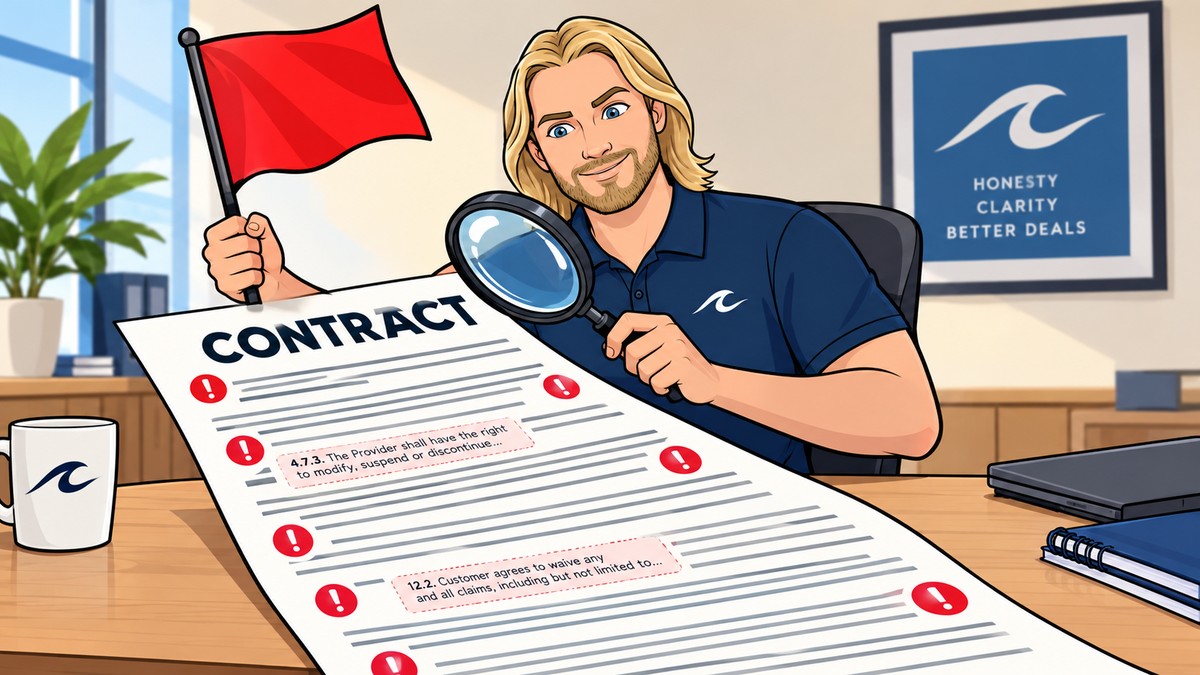
Transparency is the most valuable feature a payment processor can offer; if you cannot understand your statement, you are likely overpaying.
Choosing the Right Online Payment Merchant Services
When you are evaluating online payment merchant services, you should look beyond just the percentage rate. You need to consider the monthly fees, the cost of hardware, and the quality of customer support. A provider might offer a low rate but charge high monthly PCI compliance fees or statement fees. You also want to ensure that the service integrates with your existing tools. For example, if you use a specific POS system, you need a processor that can talk to that hardware without issues. If you want to see how a modern system looks in action, you can view our live demo to explore the interface and features that help businesses stay organized.
The Role of Payment Gateways and Security
Security is the most important part of any payment system. A payment gateway is the digital equivalent of a physical card reader. It takes the customer's sensitive data, encrypts it, and sends it to the processor. This ensures that even if a hacker intercepts the data, they cannot read it. Merchant services also help protect you from chargebacks. A chargeback happens when a customer disputes a charge with their bank. This can be a major drain on your time and money. Good merchant services provide tools to help you fight fraudulent chargebacks and keep your account in good standing. PCI compliance is another critical piece of the puzzle. This is a set of security standards that all businesses must follow to protect cardholder data. Your provider should help you maintain this compliance easily.
Surcharging and Cash Discounting Programs
One of the most effective ways to manage your merchant service costs is through surcharging or cash discounting. In a surcharging program, a small fee (usually around 3% to 4%) is added to every credit card transaction to cover the cost of processing. In a cash discount program, your displayed prices are the credit card prices, and customers receive a discount if they pay with cash. Both methods are legal in most states, but they have specific rules regarding signage and disclosure. By implementing these programs, small businesses can save thousands of dollars every year. This is especially helpful for businesses with high average ticket sizes where a 3% fee can represent a significant amount of money.
POS Systems and Hardware Terminals
While online payments are crucial, many businesses also need to accept payments in person. This is where Point of Sale (POS) systems and terminals come in. Modern terminals are much more than just card swipers. They can track inventory, manage employee schedules, and even run loyalty programs. Whether you need a mobile card reader for a food truck or a full-scale POS for a busy restaurant, your merchant service provider should offer hardware that fits your workflow. For businesses operating in specific regions, local support can be a huge advantage. If you are looking for localized help in the Southeast, you can visit our Alabama payment processing hub or check out our dedicated services for coastal areas like Destin credit card processing.
In summary, choosing the right provider involves balancing cost, security, and features. Don't be afraid to ask for a statement review to see if there are hidden fees lurking in your current plan. For a deeper dive into specific company rankings and to see which providers we recommend for different business types, revisit our list of the best online merchant services for small business. Taking the time to get your payment setup right today will pay dividends as your business grows in the years to come.
Ready to see your own numbers?
Run your real card volume through the calculator or apply in about two minutes.