
Mobile Payments
Mobil Credit Card Processing: How to Take Payments Anywhere
Modern businesses no longer need to be tethered to a front desk. Learn how to choose the right mobile hardware and processing plan to keep your fees low while staying portable.
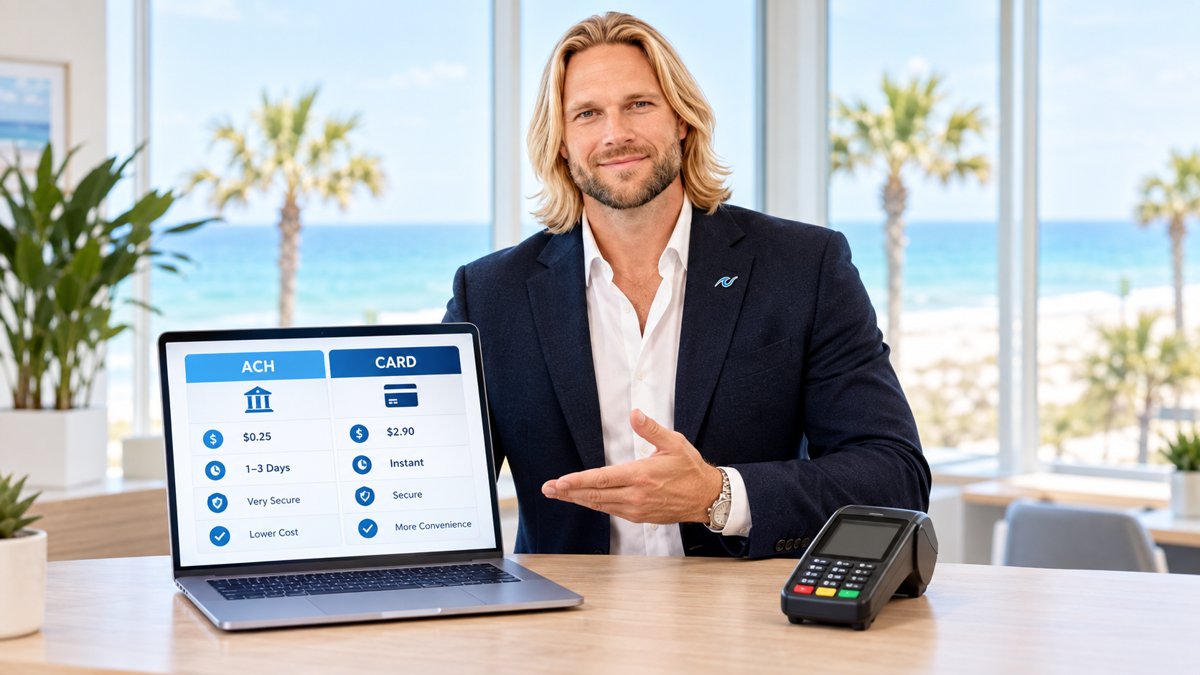
Mobil credit card processing is the modern solution for contractors, food trucks, and service providers who need to get paid at the point of service. Whether you are fixing a roof, selling art at a festival, or running a landscaping crew, the ability to swipe, dip, or tap a card on the go is essential for cash flow. If you want to see our specific recommendations for mobile business types, check out our guide on credit card processing for mobile business. By using a smartphone or a dedicated portable terminal, you can turn any location into a point of sale.
What is Mobil Credit Card Processing?
At its core, this technology allows a merchant to process transactions using a mobile device connected to the internet via cellular data or Wi-Fi. This usually involves a small hardware reader that connects to a phone or tablet via Bluetooth or a charging port. The software—often a mobile app—communicates with the payment processor to authorize the transaction in real-time. For businesses in the Alabama payment processing market, this flexibility is what allows seasonal vendors to thrive during busy tourist months.
There are two main ways to handle these payments: using a mobile card reader attached to a consumer device (like an iPhone) or using a dedicated smart terminal. A dedicated smart terminal is a standalone device that has its own screen, printer, and cellular connection. Both methods fall under the umbrella of mobile processing, but they serve different needs depending on your volume and environment.
Mobile Card Readers vs. Countertop Terminals
Many business owners wonder if they should stick with a traditional countertop terminal or move to a mobile reader. A countertop terminal is built for speed and durability in a fixed retail environment. It usually plugs into a power outlet and an Ethernet line. While these are reliable, they lack the portability required for field services. On the other hand, mobile readers are lightweight and fit in a pocket. They are perfect for businesses that travel to the customer.
However, mobile readers often rely on the battery and data connection of your smartphone. If your phone dies or you lose signal, you cannot take payments. This is why many growing businesses choose a "middle ground" like a handheld smart terminal. These devices offer the portability of a mobile reader but the professional features of a countertop unit, such as built-in receipt printing and more robust security. You can see how these devices look in action by viewing our live demo.
Industry data shows that businesses offering mobile payment options see an average 20% increase in impulse purchases compared to those that only accept cash or checks in the field.
The Benefits of Mobil Credit Card Processing
The most obvious benefit is convenience. When you can take a payment immediately after finishing a job, you eliminate the need to send invoices and wait weeks for a check to arrive. This drastically improves your business's cash flow. Furthermore, it provides a better experience for your customers. Most people prefer to pay with a card or a mobile wallet like Apple Pay or Google Pay rather than carrying cash or writing a check.
Another benefit is security. Mobile processing uses encryption and tokenization to protect cardholder data. When a customer taps their card on your mobile reader, the actual card number is never stored on your phone. This reduces your liability and helps you stay compliant with PCI standards. For a local business, such as those looking for Gulf Shores credit card processing, having a secure mobile setup is vital for building trust with tourists who are wary of card fraud.
"Portability should never come at the cost of security. The best mobile systems provide the same level of encryption as a bank-grade countertop terminal."

Understanding Mobile Processing Fees
One of the biggest mistakes small business owners make is assuming all mobile processing costs the same. Many popular mobile processors use "flat-rate" pricing. While this looks simple on paper, it is often the most expensive way to process cards. You might pay 2.6% plus 10 cents for every transaction, regardless of the type of card used. This means you are overpaying for basic debit cards that actually cost the processor very little to run.
At PayWavez, we advocate for transparent pricing models like Interchange Plus. This ensures you pay the actual cost set by the card brands (Visa, Mastercard) plus a small, fixed margin. Additionally, mobile businesses can benefit from surcharging or dual-pricing programs. These programs allow you to pass the cost of the processing fee onto the customer who chooses to use a credit card, allowing you to keep 100% of your sale price. This is legally compliant in most states and can save a mobile business thousands of dollars per year.
Security and Chargebacks on the Go
Accepting payments in the field presents unique challenges for chargebacks. A chargeback occurs when a customer disputes a transaction with their bank. To protect yourself, always use a mobile reader that supports EMV chip technology. If you swipe a chip card through a magnetic stripe reader instead of dipping the chip, you are held liable for any fraud that occurs. This is known as the EMV liability shift.
Always ensure your mobile app allows you to send digital receipts via email or SMS. A clear receipt with your business name and a description of the service helps prevent "friendly fraud," where a customer forgets a purchase and disputes it. Keeping digital records of the GPS location where the payment was taken can also serve as evidence if you ever need to fight a dispute.
Choosing the Right Mobile Partner
When selecting a provider for your mobil credit card processing needs, look for more than just the lowest hardware price. Consider the quality of the mobile app, the speed of funding (how fast you get your money), and the availability of customer support. Many "big name" mobile processors have no phone support, leaving you stranded if your reader stops working in the middle of a job. PayWavez prides itself on providing the personal support that small businesses need to stay operational.
In conclusion, choosing the right setup for your business involves balancing portability, cost, and security. By moving away from expensive flat-rate providers and utilizing modern smart terminals, you can keep more of your hard-earned money. For a deeper dive into how mobile payments can transform your specific industry, revisit our comprehensive guide on credit card processing for mobile business and see how easy it is to upgrade your setup today.
Ready to see your own numbers?
Run your real card volume through the calculator or apply in about two minutes.