
Mobile Payments
Credit Card Processing for Mobile Business: The Complete Guide
Taking your business on the road requires more than just a good product; you need a way to get paid reliably and affordably no matter where you are.
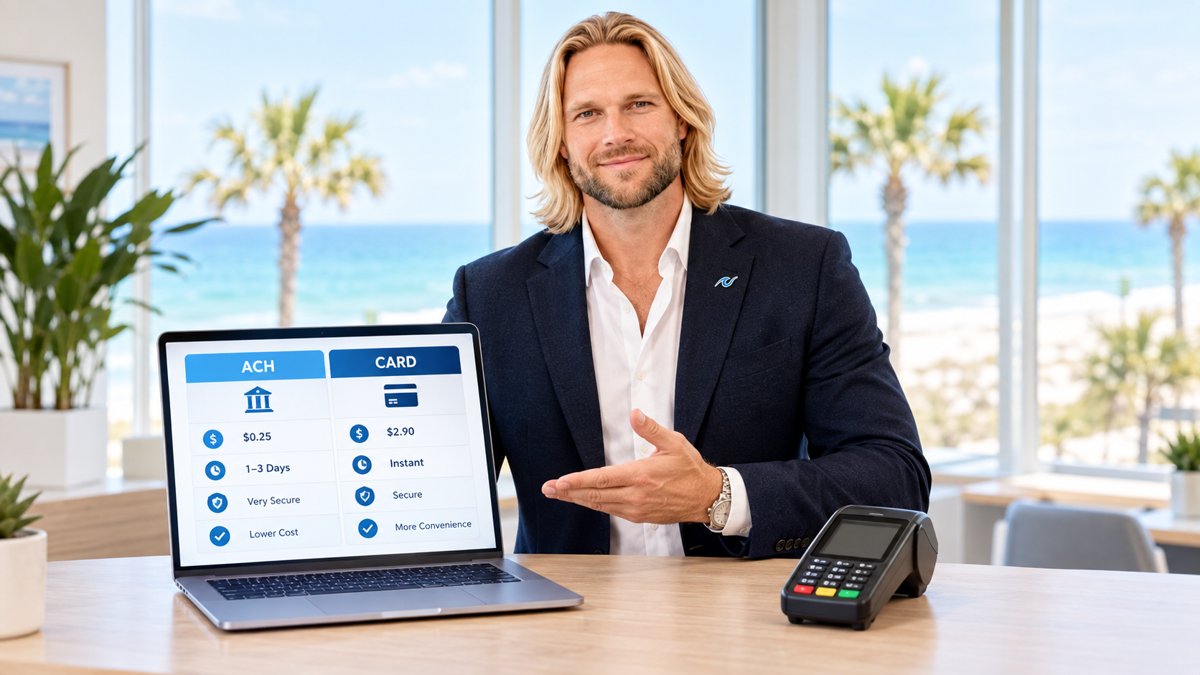
Credit card processing for mobile business has completely changed the way entrepreneurs interact with their customers in 2026. Whether you are running a food truck in the heart of a city, providing landscaping services in a residential neighborhood, or selling handmade crafts at a weekend market, the ability to accept plastic and digital wallets is no longer optional. If you can't take a card on the spot, you are likely losing half of your potential sales to the competitor down the street who can. But mobile processing is about more than just plugging a little plastic square into your phone; it is about finding a system that is secure, affordable, and works even when your cell signal is weak.
Why Every On-the-Go Merchant Needs Modern Tools
In the past, mobile businesses were often forced to deal with cash-only signs or clunky, battery-draining terminals that required a dedicated phone line. Today, the landscape is much simpler, but the stakes are higher. Customers expect to tap their phones or slide their chips in seconds. For the business owner, this means you need a merchant account that understands the unique risks and rewards of being mobile. Unlike a brick-and-mortar store with a stable internet connection, a mobile business deals with changing locations, varying signal strengths, and the physical wear and tear of moving equipment every day.
When you look for a partner, you want someone who offers more than just hardware. You need a platform that integrates with your inventory, tracks your sales by location, and provides clear reporting. This is especially true for those looking for Alabama payment processing solutions where local support can make a huge difference during the busy summer months. Having a partner who can troubleshoot your setup while you are in the middle of a festival is worth its weight in gold.
According to recent industry data, mobile businesses that switch from cash-only to accepting credit cards see an average revenue increase of 32% within the first six months.
Essential Features for Credit Card Processing for Mobile Business
When evaluating your options, you should look for specific features that cater to the mobile environment. First and foremost is battery life. A mobile card reader that dies after three hours of use is a liability. You need hardware that can last a full eight-hour shift or more on a single charge. Secondly, look for offline processing capabilities. There will be times when you are working in a "dead zone" or a crowded event where the local towers are jammed. A good mobile system will allow you to store transactions securely and process them once you are back in range.
Another critical feature is "Tap to Pay" on iPhone or Android. This technology allows you to accept contactless payments directly on your smartphone without any extra hardware at all. While a dedicated reader is often more professional for high-volume days, having the ability to use your phone as a backup is a lifesaver. You should also ensure your processor supports Dual Pricing. This allows you to show a cash price and a card price, effectively passing the processing costs on to the customer so you keep 100% of your hard-earned money.
Mobile Card Readers vs. Countertop Terminals
One of the biggest decisions you will make is choosing between a small mobile reader and a more robust "smart" terminal. Mobile readers are usually small, pocket-sized devices that connect to your phone via Bluetooth. They are perfect for service providers like plumbers or dog walkers who only take a few payments a day. However, if you run a high-volume food truck or a busy pop-up shop, a handheld smart terminal like a Clover Flex or a PayWavez mobile unit might be better. These devices have built-in printers, larger screens for customers to sign, and dedicated cellular chips so they don't rely on your phone's battery or data plan.
"A mobile business shouldn't be limited by its technology. If you can't take a card on the sidewalk, you're leaving money on the table and frustrating your best customers."

Managing Costs and Avoiding Hidden Fees
The biggest complaint mobile business owners have is the cost of processing. Many "big name" mobile processors use flat-rate pricing. While this looks simple on paper, it is often the most expensive way to take cards. They might charge you 2.6% plus 10 cents for every swipe. If you are a high-volume business, those pennies add up to thousands of dollars a year in lost profit. You should look for interchange-plus pricing or a dual-pricing model. With dual pricing, the processing fee is added as a small service fee to the transaction, meaning your business pays near-zero in processing costs.
Be wary of "free" equipment offers. Often, these companies make up for the cost of the hardware by locking you into a long-term contract with high monthly "statement fees" or "PCI compliance fees." A transparent processor will be upfront about the cost of the hardware and won't hide the true cost of your transactions in a confusing monthly statement. You can see how these systems work in action by viewing our live demo, which shows the interface and speed of modern mobile tools.
Connectivity and Security on the Road
Security is just as important on the street as it is in a store. Every time you take a payment, you are handling sensitive customer data. Your mobile setup must be PCI compliant, meaning it encrypts the card data the moment it touches the reader. Never use a reader that plugs into a headphone jack, as these are outdated and less secure than modern Bluetooth or USB-C chip readers. Additionally, make sure your software updates automatically. Security threats change every day, and your payment app needs to be current to protect you and your customers.
For businesses operating in tourist-heavy areas, such as those looking for Gulf Shores credit card processing, connectivity is a major hurdle. During peak season, thousands of people hitting the same cell towers can slow down your transaction times. Having a device that can switch between Wi-Fi and multiple cellular networks ensures that you never have to tell a customer, "Sorry, the machine is down."
How to Set Up Your Mobile Payment System
Getting started is easier than most people think. First, you need to apply for a merchant account. Unlike a personal PayPal or Venmo account, a merchant account gives you a professional standing with the card brands and helps prevent your funds from being frozen unexpectedly. Once approved, you will choose your hardware. For most mobile businesses, we recommend a handheld smart terminal that includes a receipt printer. Even though many people want digital receipts, having the ability to print a paper one is still a requirement for many customers and certain types of business licenses.
Once your hardware arrives, download the processing app, pair your device, and run a test transaction. Make sure you understand how to issue a refund and how to view your daily sales reports. A good habit is to "batch out" your terminal at the end of every day to ensure your funds are deposited into your bank account as quickly as possible. Many modern systems offer same-day or next-day funding, which is vital for maintaining cash flow in a mobile business where expenses like gas and inventory are daily requirements.
Ready to see your own numbers?
Run your real card volume through the calculator or apply in about two minutes.