
Merchant Accounts
The Complete Guide to Merchant Services for Small Businesses
Accepting credit cards shouldn't cost you a fortune. We break down how to find the right processing partner, lower your fees, and choose the best hardware for your storefront.

Merchant services for small businesses are the backbone of modern commerce, but finding a provider that doesn't eat your profits can be a challenge. Every time a customer taps their phone or swipes a card, a complex chain of events happens in seconds. For most owners, the only part that matters is how much money actually hits the bank account at the end of the day. If you are currently researching your options, you may want to check out our in-depth comparison of the best merchant services for small business to see how different providers stack up.
What Are Merchant Services Exactly?
In simple terms, merchant services are the tools and financial accounts that allow a business to accept credit and debit card payments. This includes the physical credit card terminal on your counter, the software that runs your online shop, and the merchant account where funds are held before being sent to your business bank account. For many US business owners, this also includes value-added services like chargeback protection and PCI compliance assistance.
A merchant account is different from a standard business checking account. It acts as a middle ground where the card networks (like Visa and Mastercard) verify that the customer has the funds. Once the transaction is cleared, the money is moved to your bank. Choosing the right partner for this process is vital because a bad setup can lead to held funds or high fees that you did not see coming.
What to Look for in Merchant Services for Small Businesses
When you are shopping for a provider, you need to look past the flashy marketing. Many companies promise "low rates" but hide the real costs in the fine print. You should prioritize transparency, local support, and hardware that fits your specific workflow. Whether you are running a boutique in Alabama or a restaurant on the Gulf Coast, your needs are unique.
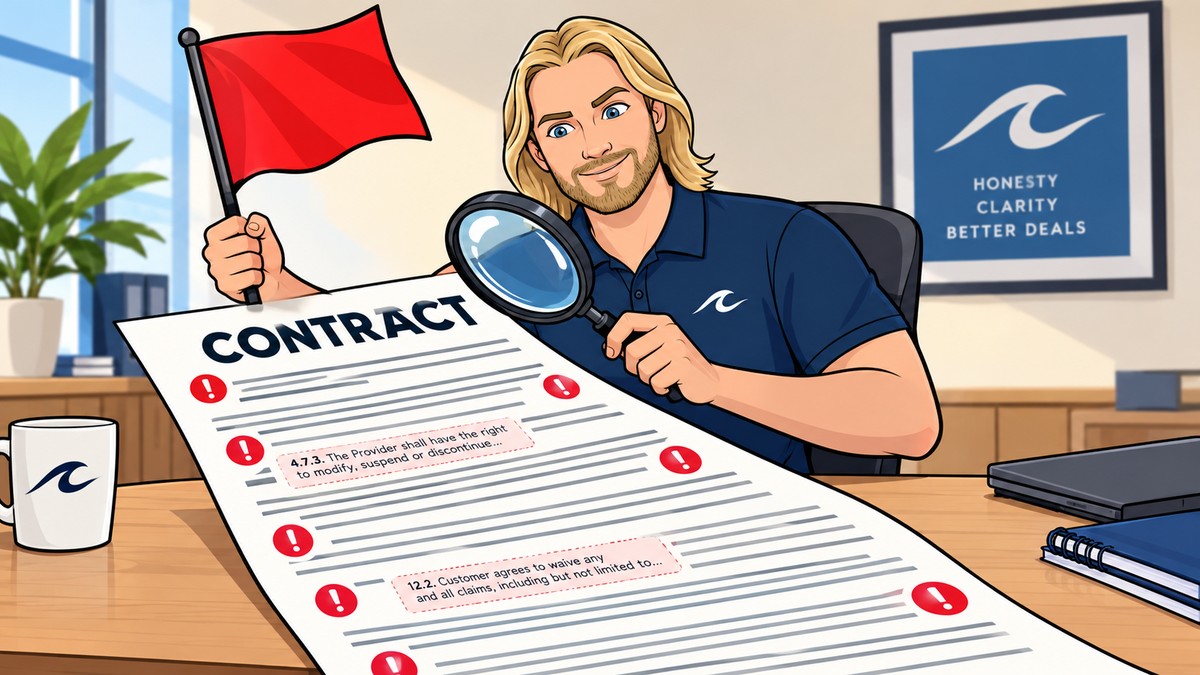
The best providers offer month-to-month contracts. If a company tries to lock you into a three-year or five-year deal, that is a major red flag. Modern merchant services should earn your business every month through great service and fair pricing. You should also look for a provider that offers a live demo of their software so you can see exactly how it works before you sign anything.
Industry data shows that the average small business pays between 2.5% and 3.5% in total credit card processing fees. However, businesses using dual-pricing or surcharging programs can reduce their out-of-pocket processing costs by up to 95%.
Understanding Processing Fees and Rates
Processing fees are usually the biggest pain point for owners. There are three main ways that companies charge for merchant services for small businesses. The first is flat-rate pricing. This is what companies like Square or Stripe use. You pay one set percentage for every transaction. It is simple, but it is often the most expensive option as your business grows.
The second is tiered pricing. This is often a trap. The provider gives you a low "qualified" rate, but most cards (like rewards cards or business cards) end up being "non-qualified" and cost much more. The third and most transparent option is interchange-plus pricing. This is where the provider charges you the exact cost from the card networks plus a small, fixed markup. This is usually the cheapest option for established businesses.
Surcharging and Cash Discounting
One of the fastest-growing trends in merchant services is the use of surcharging and dual-pricing programs. These programs allow you to pass the cost of credit card processing on to the customer who chooses to use a card. If a customer pays with cash, they pay a lower price. If they pay with a credit card, a small fee is added to cover the processing cost. This is a legal and effective way to protect your margins, especially in industries with low profit percentages.
A merchant account is more than a utility; it is a partnership that should provide transparency and support, not just a way to swipe cards.
Terminals and POS Systems
The hardware you use is just as important as the rates you pay. A modern Point of Sale (POS) system does more than just take money. It can track your inventory, manage your employee schedules, and even help with marketing. If you have a physical location, you need a terminal that is EMV-compliant (chip-enabled) and supports contactless payments like Apple Pay and Google Pay.
For businesses on the move, mobile card readers that plug into a phone or tablet are a great choice. However, if you have a high-volume storefront, a dedicated smart terminal with a built-in printer and customer-facing screen is much more professional. We often help businesses in the Alabama payment processing market find the perfect balance between high-tech features and ease of use. For example, if you are looking for Orange Beach credit card processing, you need hardware that can handle the fast-paced seasonal crowds without slowing down.
Dealing with Chargebacks and Security
A chargeback happens when a customer disputes a charge with their bank. This can be a nightmare for small businesses. Not only do you lose the money from the sale, but you also get hit with a chargeback fee. Good merchant services providers offer tools to help you fight these disputes and prevent them in the first place. This includes using secure hardware and requiring signatures or ZIP code verification for certain sales.
Security is also a major concern. Every business that accepts cards must be PCI compliant. This means you follow a set of security standards to protect customer data. Your provider should help you through this process so you don't get hit with monthly non-compliance fees. Secure systems protect your business and your customers from data breaches, which can be devastating to a small shop's reputation.
How to Switch Without the Headache
Many owners stay with a bad processor because they are afraid of the downtime. They worry that if they switch, they won't be able to take payments for a few days. In reality, switching can be seamless. You can set up your new merchant account while your old one is still active. Once the new hardware arrives and is tested, you simply swap them out. There is no reason to keep overpaying for merchant services for small businesses just because you fear the change.
Before you switch, always get a statement review. A professional can look at your current merchant statement and show you exactly where you are losing money to hidden fees. This gives you the leverage you need to find a better deal. At PayWavez, we pride ourselves on being transparent and helping you keep more of your revenue.
In conclusion, choosing the right partner for your payments is one of the most important decisions you will make this year. By focusing on transparent pricing, modern hardware, and local support, you can ensure your business is set up for success. For a deeper look at the specific companies leading the industry, don't forget to read our full breakdown of the best merchant services for small business.
Ready to see your own numbers?
Run your real card volume through the calculator or apply in about two minutes.