
Limits & Security
What is the Maximum Amount You Can Charge on a Credit Card?
What is the maximum amount you can charge on a credit card? Whether you are a business owner processing a large sale or a customer making a big purchase, understanding transaction limits is essential for a smooth payment experience.
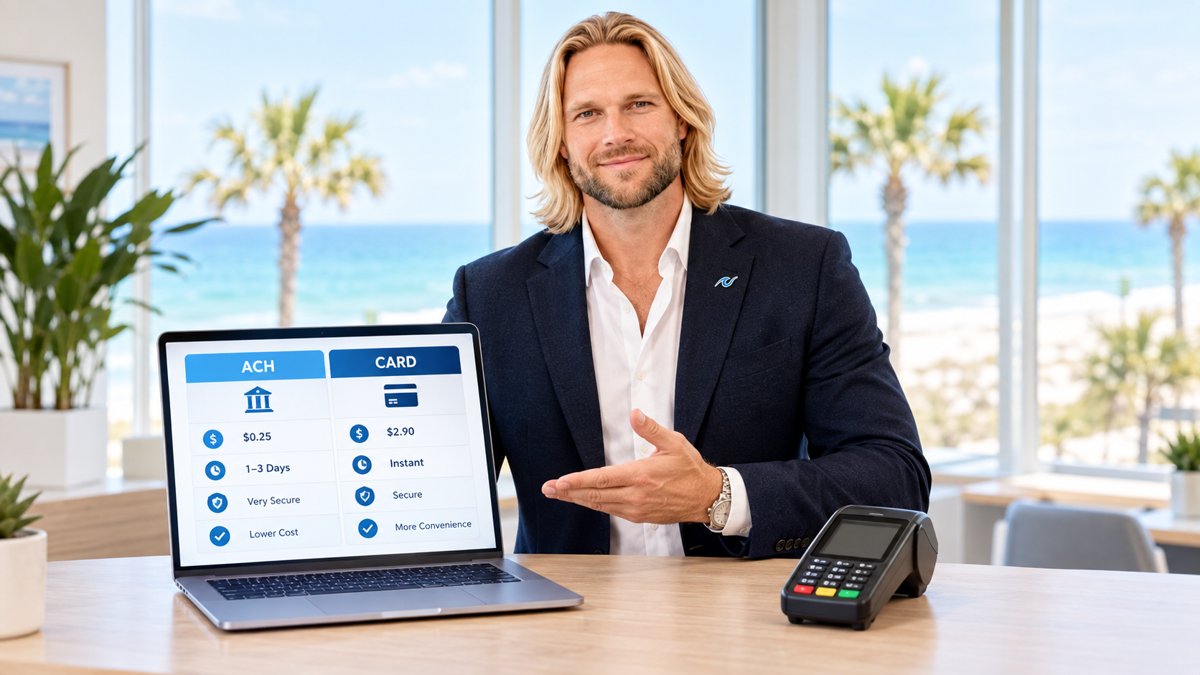
When a customer walks into your shop or visits your website to make a high-ticket purchase, a lot of things happen behind the scenes. For many business owners, a big sale is a cause for celebration, but it also brings up technical questions. One of the most common questions we get at PayWavez is about the ceiling of these transactions. Determining the limit involves two different perspectives: the consumer’s credit limit and the merchant’s processing limit.
The Consumer Side: Credit Limits and Available Credit
From the customer's point of view, the limit is set by their bank or credit card issuer. This is known as a credit limit. When a bank issues a card, they look at the person's credit score, income, and debt-to-income ratio. They then decide on a maximum balance the person can carry. If a customer has a $10,000 limit and they have already spent $2,000, their maximum charge for a new purchase is $8,000.
However, it is not always that simple. Some high-end cards, like certain American Express cards, are "charge cards" rather than credit cards. These often market themselves as having "no pre-set spending limit." This does not mean the customer can buy a private jet on a whim. Instead, the limit is dynamic. The bank uses an algorithm to decide if the charge is okay based on the customer's past spending habits and payment history.
The Merchant Side: Your Processing Limits
As a business owner, you also have limits. When you signed up for your merchant account, you likely provided an estimate of your "average ticket size" and your "maximum ticket size." Your payment processor uses these numbers to build a risk profile for your business. If you told your processor your largest sale would be $500, and suddenly you try to run a $15,000 transaction, it will likely be flagged or declined.
This is often called the Single Transaction Limit (STL). Processors set this to protect themselves and you from fraud. If a thief gets a hold of a card and tries to swipe it for a massive amount at a shop that usually sells coffee, the system stops the transaction to prevent a massive chargeback later. If you are planning to scale your business, you can see how our live demo handles various transaction types and see the speed of our system in action.
According to industry risk reports, transactions that exceed a merchant's established "maximum ticket size" by more than 200% are 5x more likely to be held for manual review by a payment processor's security team.
What is the maximum amount you can charge on a credit card?
So, what is the maximum amount you can charge on a credit card? Technically, there is no universal dollar amount that applies to every card or every business. On the consumer side, some high-net-worth individuals have credit limits in the hundreds of thousands or even millions of dollars. On the merchant side, enterprise-level businesses can process six-figure transactions daily without a hitch.
For a typical small business, the maximum amount you can charge is usually governed by your merchant agreement. If you find that your business is growing and you need to process larger amounts, you can request a limit increase. This usually requires showing proof of the sale, such as an invoice or a contract, to show the processor that the transaction is legitimate. This is a common need for businesses involved in Alabama payment processing where tourism and seasonal high-ticket rentals are common.
"A credit limit isn't just a number for the customer; it's a boundary for the merchant that requires clear communication and the right processing tools to navigate safely."
Why Large Transactions Get Declined
It can be frustrating for both you and your customer when a large charge is declined. There are several reasons why this happens, even if the customer has the money. First is the "Daily Spending Limit." Some banks limit how much can be spent in a single 24-hour period to prevent fraud. Even if the card has a $20,000 limit, the bank might cap daily spending at $5,000 unless the customer calls ahead.
Second is the merchant's "Monthly Volume Cap." Payment processors often give new businesses a monthly limit. If you are allowed to process $50,000 a month and you hit that by the 15th, your terminal might stop accepting cards. This is why it is vital to work with a partner like PayWavez that understands your growth. For example, if you run a business in the Florida Panhandle and need Pensacola credit card processing, you need a processor that understands seasonal spikes in revenue.
How to Handle High-Ticket Sales Safely
If you are regularly processing large amounts, you need to protect yourself from chargebacks. A chargeback on a $50 item is a nuisance, but a chargeback on a $5,000 item can be devastating. Always verify the customer's ID for in-person transactions. Ensure the name on the ID matches the name on the credit card. For online or phone orders, use Address Verification Service (AVS) and require the CVV code from the back of the card.
You should also keep detailed records. If you are selling a high-priced service or a custom product, have the customer sign a contract or a work order. This documentation is your best defense if the customer later claims they didn't authorize the charge. Having a clear refund policy printed on your receipt also helps. The more evidence you have, the easier it is to win a dispute.
The Impact of Processing Fees on Large Charges
When you charge a large amount, the processing fees can eat a significant hole in your profit. Most processors charge a percentage of the total sale. On a $10,000 transaction, a 3% fee means you are losing $300 just to accept the payment. This is where PayWavez's expertise in dual pricing and surcharging becomes a game-changer. By passing the cost of the processing fee to the customer, you can keep 100% of your sticker price.
Dual pricing is especially popular for high-ticket items like HVAC installs, jewelry, or automotive repairs. Customers understand that credit card rewards programs cost money, and many are happy to pay a small fee for the convenience of using their card, or they can choose to pay via cash or check to save money. This transparency builds trust and protects your margins on those big sales.
Conclusion: Communicating with Your Processor
The best way to avoid issues with maximum charge amounts is through proactive communication. If you know you have a huge project coming up that will require a charge much larger than your usual ticket, call your processor ahead of time. Let them know the amount, the nature of the sale, and have your documentation ready. This prevents the transaction from being flagged as suspicious and ensures your funds are deposited on time.
At PayWavez, we pride ourselves on being more than just a terminal provider. We are your partner in growth. We help you navigate the complexities of transaction limits, fraud prevention, and fee reduction so you can focus on what you do best: running your business. Whether you are a small boutique or a high-volume contractor, we have the tools and the expertise to help you succeed.
Ready to see your own numbers?
Run your real card volume through the calculator or apply in about two minutes.