
Merchant Advice
Is It Bad to Switch Credit Cards? What Merchants Need to Know
Switching your business payment processor can feel like a massive headache, but staying with a bad one is worse. We break down the risks, rewards, and reality of making the move.

Many business owners wonder is it bad to switch credit cards processing companies when they see their monthly fees climbing higher each year. You might feel like you are stuck with your current provider because the thought of changing everything seems overwhelming. You worry about your machines stopping, your deposits being delayed, or your customers getting frustrated at the counter. But the truth is, staying with a processor that overcharges you or provides poor service is much worse for your business in the long run.
Understanding the Fear of Switching
The fear of switching is real. Most merchants have been through a difficult setup process at least once. You remember the hours spent on the phone, the confusing paperwork, and the stress of making sure the first transaction went through. Because of this, many people stick with a bad deal just to avoid the hassle. They treat their credit card processor like a utility company—something they just have to pay for and never think about.
However, payment processing is not a static utility. Technology changes, and more importantly, pricing structures change. If you have been with the same company for more than three years, you are almost certainly paying more than you should. The industry has moved toward more transparent models, like dual pricing, which can save a small business thousands of dollars a year. If you want to see how this works in person, you can check out our live demo to see the modern way to handle payments.
Is it bad to switch credit cards?
When you ask is it bad to switch credit cards processing partners, the answer depends on your contract and your preparation. It is not "bad" for your business health; in fact, it is often the smartest financial move you can make. However, it can be bad if you do it without checking for early termination fees (ETFs). Some of the big "legacy" processors hide massive penalties in the fine print. They might charge you $500 or even $1,000 just to close your account.
Before you make a move, you need to pull your original contract. Look for words like "liquidated damages" or "term of agreement." If you are near the end of your contract, switching is a no-brainer. If you are stuck in a long-term deal, you may need to negotiate or find a new processor that is willing to help cover those switching costs. At PayWavez, we help merchants in areas like Pensacola look through their statements to find these hidden traps.
According to industry data, merchants who haven't audited their processing rates in over 24 months are likely paying 20% to 30% more in "margin creep" than new customers.
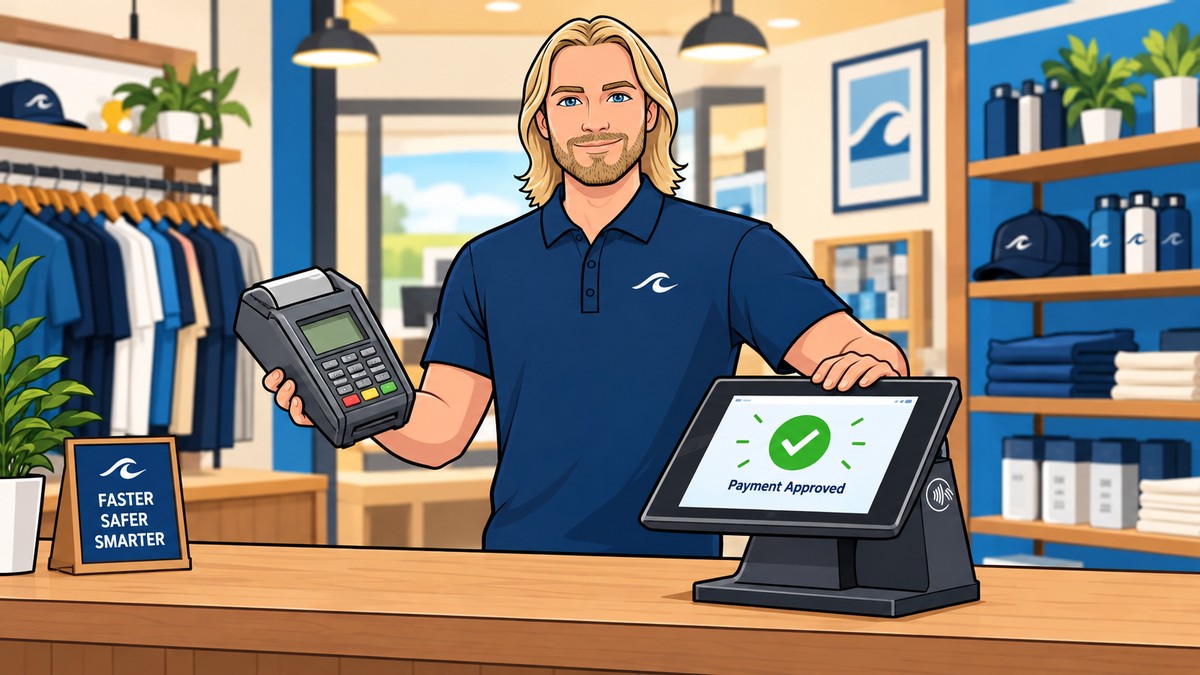
The Hardware Headache: Can You Keep Your Terminals?
One of the biggest reasons people think it is bad to switch is the equipment. You might have spent money on a fancy Clover station or a Toast handheld, only to find out those machines are "locked." This means they only work with the company that sold them to you. It is a common tactic used to keep you from leaving. If you switch, you might have to get new hardware.
The good news is that modern terminals are much more affordable than they used to be. In many cases, the money you save on monthly fees in just the first three months will pay for the new equipment. Plus, moving to a non-proprietary system means you own the hardware and can take it to different processors in the future. This gives you the power back as a business owner. Whether you are looking for Alabama payment processing or help elsewhere on the Gulf Coast, having flexible hardware is key.
A credit card processor should be a partner that helps you grow, not a silent partner that takes a cut of your hard work without providing value.
How to Switch Without Losing a Day of Sales
The secret to a successful switch is overlap. You should never cancel your old service until the new one is fully installed and tested. Think of it like moving into a new house; you don't turn off the lights at the old place until you know the power is on at the new one. Here is the basic checklist for a smooth transition:
- Apply for the new account and get approved first.
- Order and receive your new terminals.
- Run a few test transactions (for small amounts like $1.00) to ensure the money hits your bank.
- Train your staff on the new interface.
- Once everything is running smoothly, send your cancellation notice to the old company.
By following this path, you eliminate the risk of downtime. Your customers won't even notice a difference, except perhaps for a faster checkout experience or a new screen showing them the benefits of paying with cash or card under a dual-pricing model.
The Benefit of Local Support
When you switch to a national giant, you become a number in a call center. When you switch to a local or regional provider, you get a person you can actually call. This is especially important for businesses on the Gulf Coast that deal with seasonal rushes. You need a setup that can handle the summer crowds without glitching. If your processor doesn't understand your local market, they might flag your account for "suspicious activity" just because you had a record-breaking Saturday in July.
Ready to see your own numbers?
Run your real card volume through the calculator or apply in about two minutes.