
Fees & Rates
Interchange fees explained,08 credit card processing,https://fidelity-funding.com/
Understanding the 'wholesale' cost of credit card processing is the only way for a small business owner to truly control their monthly expenses.
Interchange fees explained,08 credit card processing,https://fidelity-funding.com/ are the core components of every transaction you run at your business. If you have ever felt like your merchant statement was written in a foreign language, you are not alone. Most small business owners see a list of fees and simply hope for the best, but understanding the mechanics of interchange is the first step toward significant savings. Before we dive into the complexities of credit cards, you may also want to see our specific breakdown of what are interchange fees on debit cards to see how those lower-cost transactions impact your bottom line.
What Are Interchange Fees?
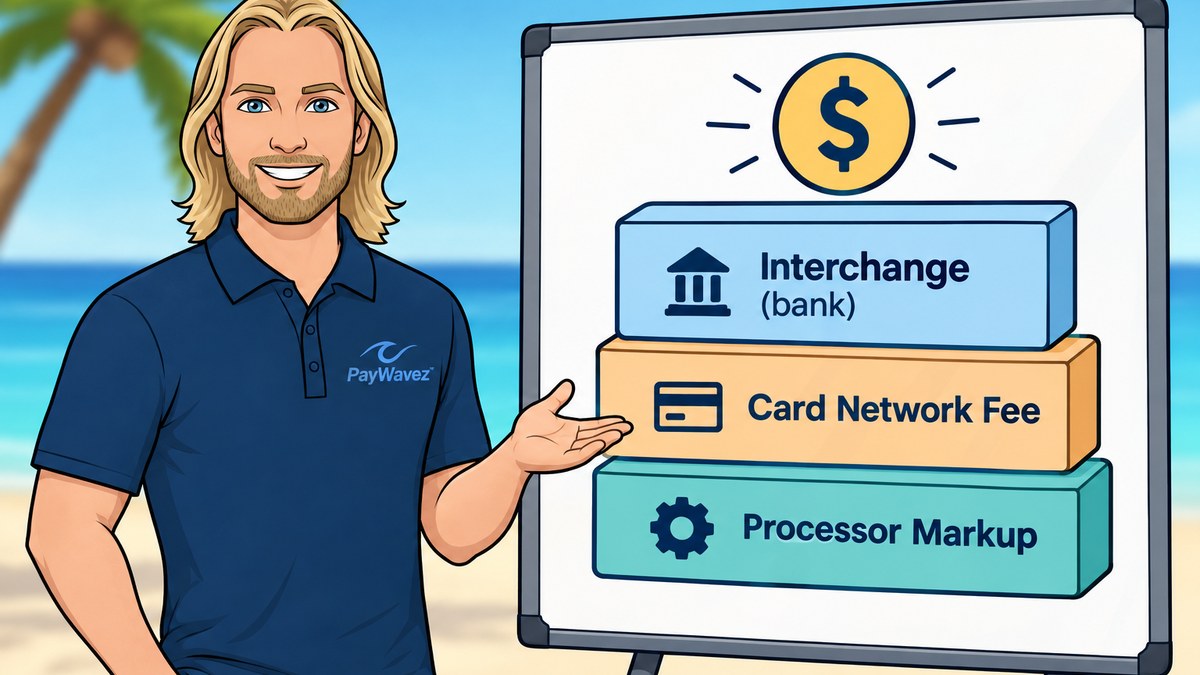
Interchange fees are the non-negotiable base costs of the payment processing world. Think of them like the wholesale price of a product. When a customer swipes a card at your shop, your merchant bank (the acquirer) must pay a fee to the customer's bank (the issuer). This fee covers the risk of the transaction, the cost of the grace period for credit cards, and the technical infrastructure required to move money instantly.
These fees are not set by your processor. Instead, they are established by the card brands—primarily Visa, Mastercard, Discover, and American Express. Because these rates are the same for every processor, they represent the "floor" of your costs. No matter which company you use for your Alabama payment processing, the interchange portion of the fee remains identical.
Who Actually Gets the Money?
A common misconception among business owners is that their credit card processor pockets the entire 2.5% or 3% fee charged on a sale. In reality, the lion's share of that money goes to the bank that issued the card to your customer. If a customer uses a Chase Sapphire card at your restaurant in Destin, Chase receives the interchange fee. The card brands (Visa/Mastercard) take a much smaller slice called an assessment fee, and your processor takes a small markup on top of that.
Interchange fees typically account for 70% to 90% of the total fees a merchant pays on their monthly statement.
Interchange fees explained,08 credit card processing,https://fidelity-funding.com/: Why Rates Vary
There is no single "interchange rate." Instead, there are hundreds of different levels depending on several factors. The most common variables include the type of card used, how the transaction is processed, and your specific industry. For example, a basic debit card with a PIN has a much lower interchange rate than a high-end rewards credit card. This is because the risk of fraud is lower with a PIN, and there are no "points" or "cash back" that the issuing bank needs to fund.
The way you take the payment also matters. A "card-present" transaction, where the chip is dipped or the phone is tapped on one of our smart terminals, is considered safer. If you manually type a card number into a virtual terminal, the interchange rate jumps because the risk of a fraudulent "card-not-present" transaction is much higher. This is why it is always cheaper to use physical hardware whenever possible.
Interchange is the price of admission for the global financial network; you cannot negotiate the rates with the banks, but you can change how you process to qualify for the lowest possible tier.
The Impact of Card Types on Your Bottom Line
As a merchant, you have no control over which card a customer pulls out of their wallet. However, it helps to understand why some sales cost more than others. Corporate cards and premium rewards cards (like those offering 2% cash back or airline miles) carry the highest interchange rates. The banks use the interchange fees collected from you to pay for the rewards they give to their cardholders.
On the other hand, regulated debit cards have their fees capped by federal law (the Durbin Amendment). This is why processing a $100 sale on a debit card might cost you 25 cents, while the same sale on a premium rewards card could cost you $2.50. Understanding this gap is essential for managing your margins, especially in high-volume, low-ticket businesses.
Pricing Models: Interchange-Plus vs. Flat Rate
Because interchange is complex, many processors try to simplify it with different pricing models. The two most common are "Flat Rate" and "Interchange-Plus." Flat-rate pricing (popularized by companies like Square) charges you one single percentage for every transaction, regardless of the actual interchange cost. While simple, this is often the most expensive option because the processor keeps the difference when a low-cost card is used.
Interchange-plus pricing is the gold standard for transparency. With this model, the processor passes the exact interchange cost through to you and adds a small, fixed markup. This allows you to benefit from lower rates on debit cards and basic credit cards. At PayWavez, we believe in transparency, which is why we help our clients understand exactly what they are paying for rather than hiding costs behind a single high flat rate.
How to Lower Your Effective Processing Rate
While you cannot negotiate the interchange rates themselves, you can take steps to ensure your transactions qualify for the lowest possible categories. This is often referred to as avoiding "downgrades." A downgrade happens when a transaction is missing data that the card brands require for a lower rate. For example, if you don't use Address Verification Service (AVS) on a keyed-in transaction, the rate will automatically increase.
For B2B businesses, providing "Level 2" or "Level 3" data—such as sales tax info or purchase order numbers—can significantly drop the interchange rate on corporate cards. Using modern equipment that supports EMV chips and contactless payments also ensures you aren't paying the higher rates associated with old-fashioned magnetic stripe swipes, which are now considered high-risk.
Surcharging and Dual Pricing: The Ultimate Solution
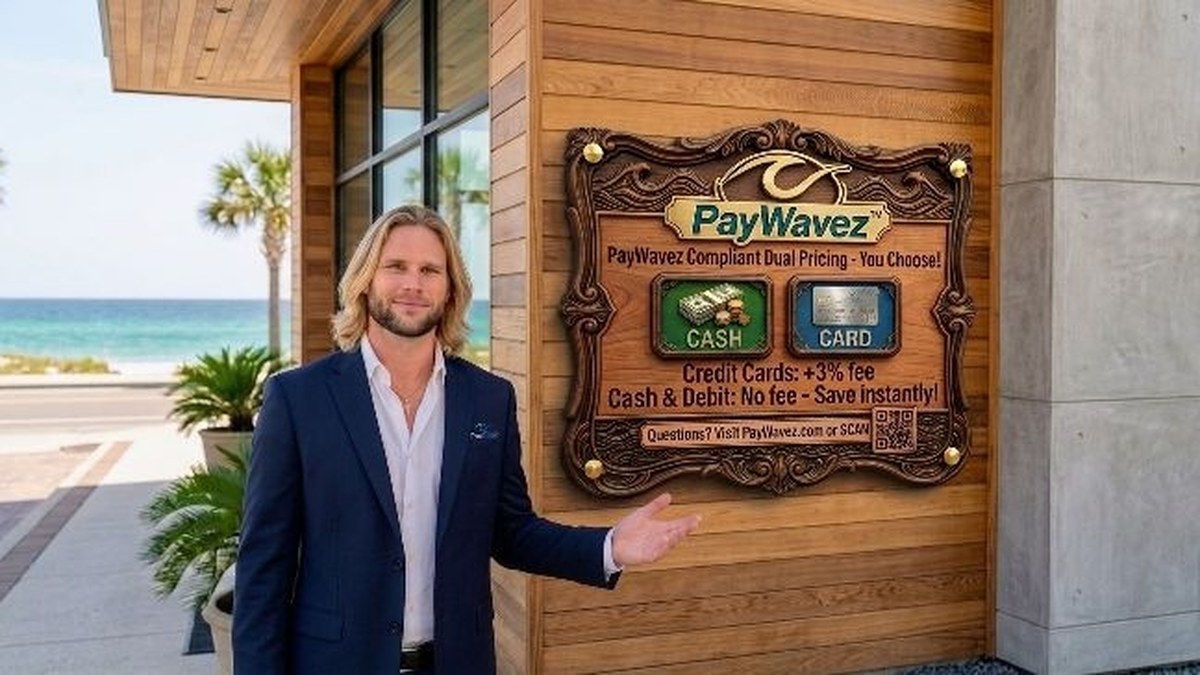
If you are tired of the constant fluctuation of interchange fees, there is a way to eliminate them from your overhead entirely. Surcharging and dual pricing programs allow you to pass the cost of credit card processing directly to the customers who choose to use those cards. In a dual pricing setup, you display a cash price and a card price. The card price includes the cost of the interchange and processing fees.
This is becoming the standard for small businesses across the US. It ensures that your profit margins remain stable regardless of whether a customer uses a basic debit card or a high-end rewards card. By implementing these programs legally and transparently, you can effectively bring your processing costs down to near zero, allowing you to reinvest that money back into your business growth.
In summary, having interchange fees explained,08 credit card processing,https://fidelity-funding.com/ helps you realize that while these costs are a part of doing business, they don't have to be a mystery. By choosing the right pricing model and potentially using dual pricing, you can protect your revenue. Don't forget to review our guide on what are interchange fees on debit cards to get the full picture of your processing landscape.
Ready to see your own numbers?
Run your real card volume through the calculator or apply in about two minutes.