
Rates & Fees
The Small Business Guide to Interchange Fees and Merchant Costs
Stop guessing what your credit card processor is charging you. We break down the difference between bank fees and processor markups so you can keep more profit.
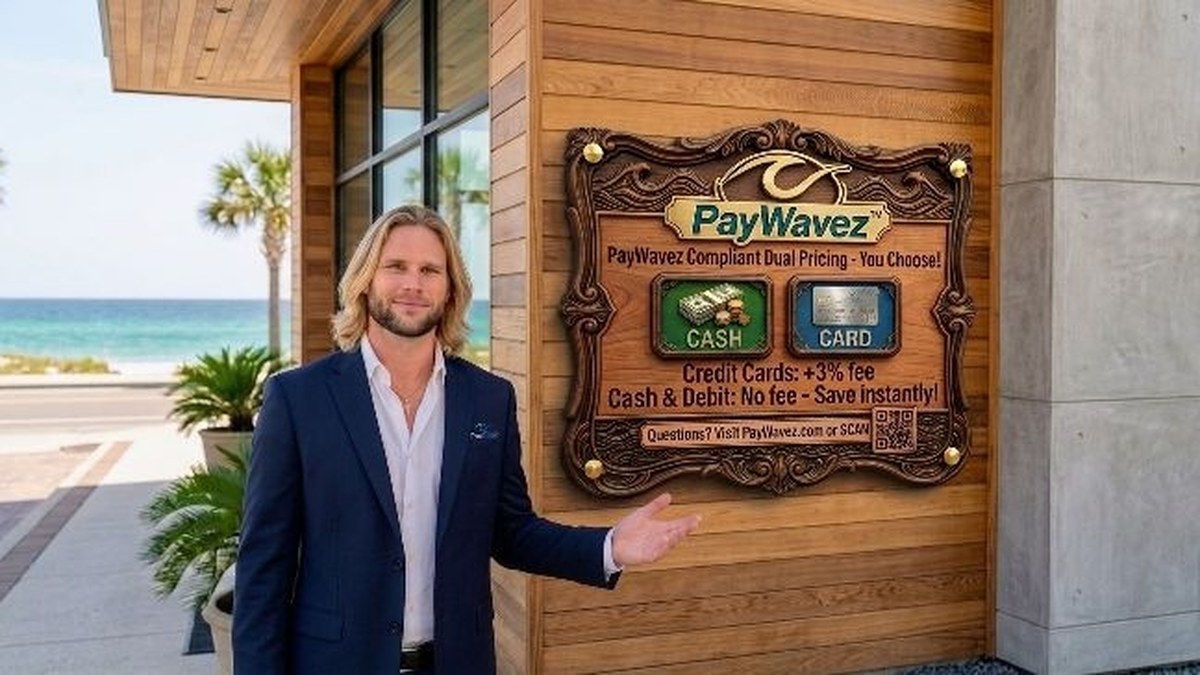
Understanding interchange fees and merchant costs is the first step toward keeping more of your hard-earned revenue. For most small business owners, reading a monthly processing statement feels like trying to decode a foreign language. You see a long list of numbers, percentages, and abbreviations that seem designed to confuse you. However, when you peel back the layers, every penny you pay to accept a credit card falls into one of two buckets. There are the fees that go to the banks, and there are the costs that go to your processing company. If you are a business owner looking for Alabama payment processing solutions, knowing these differences is the only way to ensure you are getting a fair deal.
What Are Interchange Fees?
Interchange fees are the foundation of every credit card transaction. These are non-negotiable rates set by the card brands like Visa and Mastercard. When a customer swipes their card at your shop, a small percentage of that sale goes to the bank that issued the card. This fee covers the bank's risk of lending the money and the cost of managing the account. These rates change twice a year, usually in April and October. No matter which processor you use, whether you are in a big city or looking for Pensacola credit card processing, the interchange rate for a specific card stays the same.
The actual rate depends on many factors. For example, a basic debit card has a very low interchange fee because there is very little risk for the bank. On the other hand, a high-end rewards card or a corporate card has a much higher fee. This is because the bank uses those fees to pay for the customer's travel points and cash-back bonuses. As a merchant, you are essentially subsidizing your customer's rewards program through these fees.
Interchange fees typically account for 70% to 90% of the total cost a merchant pays to accept credit cards.
How Interchange Fees and Merchant Costs Impact Your Bottom Line
While interchange is the base, merchant costs are where things get complicated. Merchant costs, often called the "processor markup," are the fees you pay to the company that provides your equipment and handles your transactions. Unlike interchange, these costs are often negotiable. This is where your processor makes their profit. They have to cover their own overhead, including customer support, software development, and the risk of fraud.
If you don't keep a close eye on these costs, they can slowly creep up over time. Some processors start you at a low rate but add small "service fees" every few months. These might look like a few dollars here and there, but for a high-volume business, they add up to thousands of dollars a year. Understanding the balance between the bank's cut and the processor's cut is vital for maintaining a healthy profit margin.
The Difference Between Interchange-Plus and Tiered Pricing
How you see these fees on your statement depends on your pricing model. The most transparent model is called "Interchange-Plus." In this setup, the processor shows you exactly what the interchange fee was and then adds a small, flat markup on top. This is generally the best deal for small businesses because it allows you to see exactly where your money is going. You benefit directly when interchange rates for debit cards are low.
The other common model is "Tiered Pricing." This groups transactions into categories like "Qualified," "Mid-Qualified," and "Non-Qualified." While this looks simpler, it is often a trap. The processor decides which cards fall into which category. Frequently, they will push most of your transactions into the more expensive "Non-Qualified" tier, hiding their true markup. If you want to see how much you could save with a transparent model, you should check out a live demo of a modern payment system.
"The most expensive merchant account is the one where you do not know exactly what you are paying for each month."

Common Hidden Fees to Watch For
Beyond the standard percentages, many business owners get hit with "junk fees." These are extra merchant costs that don't provide any real value. One common example is the PCI Compliance fee. While every business must be compliant, some processors charge a monthly fee just for the "privilege" of being compliant, or worse, a massive "non-compliance fee" if you haven't filled out a specific survey.
Other fees to watch for include statement fees, annual fees, and batch header fees. A batch header fee is a small charge every time you close out your terminal at the end of the day. While $0.25 a day doesn't sound like much, it is another way for processors to nibble away at your profits. You should also look for "minimum processing fees." If you have a slow month and don't meet a certain volume, the processor might charge you an extra fee to make up for their lost profit.
How Surcharging and Dual Pricing Can Help
One of the best ways to manage interchange fees and merchant costs is to stop paying them entirely. Modern programs like surcharging and dual pricing allow you to pass the cost of processing on to the customers who choose to use credit cards. With a dual pricing model, you display two prices for every item: a cash price and a card price. Customers who pay with cash get a discount, while customers who use a card cover the processing fee.
This is becoming very popular across the US because it protects the business owner's margins. Instead of raising prices for everyone to cover the cost of expensive rewards cards, you only charge the people using those cards. This keeps your base prices competitive while ensuring you don't lose money on every swipe. It is a fair way to handle the rising costs of doing business in 2026.
Choosing the Right POS and Terminal
Your hardware also affects your costs. Old-fashioned terminals might not support the latest security features, which can lead to higher interchange rates. When you use an EMV chip reader, the risk of fraud is lower, and the banks reward that with better rates. If you are still swiping magstripes, you are likely paying "downgrade" fees because the transaction is seen as higher risk.
Modern Point of Sale (POS) systems also help you track your costs in real-time. Instead of waiting for a confusing paper statement at the end of the month, you can see your effective rate every day. This transparency allows you to make better decisions about your business. Whether you need a mobile reader for a food truck or a full countertop setup for a retail store, the right equipment is an investment that pays for itself through lower fees and better data.
Ready to see your own numbers?
Run your real card volume through the calculator or apply in about two minutes.