
Business Growth
How to Start a Merchant Services Business: A Step-by-Step Merchant Guide
Starting a merchant services business allows you to help local shops accept credit cards while building recurring revenue. Here is exactly how to get started in the payments industry.

How to start a merchant services business is a question many motivated entrepreneurs ask when they see the massive volume of credit card transactions happening every day. In the United States, almost every small business needs a way to accept card payments. Whether it is a boutique in Destin or a service provider in Alabama, processing is the lifeblood of modern commerce. This guide will walk you through the steps of entering the industry, from finding a partner to closing your first merchant account.
Understanding the Merchant Services Landscape
Before you dive in, you need to understand what this business actually does. A merchant services provider (MSP) acts as the middleman between a business owner and the big credit card networks like Visa and Mastercard. Your job is to provide the hardware, software, and support that allows a business to swipe, dip, or tap a card and get paid. You make money by taking a small slice of every transaction, often called a residual.
There are two main ways to enter the field. You can become an Independent Sales Organization (ISO) or a registered agent. Being a full ISO requires a lot of capital and registration with the card brands. Most people start as an agent. As an agent, you partner with an established ISO like PayWavez to sell their services. This path is much faster and requires less upfront money.
Step 1: Learn the Mechanics of Card Processing
You cannot sell what you do not understand. You need to know the difference between interchange fees, assessment fees, and processor markups. Interchange is the base cost set by the card brands. Your profit comes from the markup you add on top of that base cost. You should also study different pricing models, such as interchange-plus and flat-rate pricing.
One of the most important trends right now is dual pricing and surcharging. These programs allow business owners to pass the cost of processing fees onto the customer who chooses to pay with a credit card. This can save a small business thousands of dollars a month. If you want to know how to start a merchant services business that actually helps people, you must master these cost-saving strategies. You can see how these systems work in action by viewing a live demo of modern payment tech.
According to industry data, over 80% of all consumer spending in the United States now occurs via credit cards, debit cards, or digital wallets, making payment processing a non-negotiable utility for every retail business.
Step 2: Choose Your Business Model
Do you want to be a solo agent, or do you want to build a team? Starting as a solo agent is the best way to learn the ropes. You will be responsible for finding leads, explaining the fee structures, and helping the merchant set up their equipment. Once you have a few dozen clients, you might decide to hire other sales reps to expand your reach. Your goal is to build a "portfolio" of merchants. The larger your portfolio, the higher your monthly residual check will be.
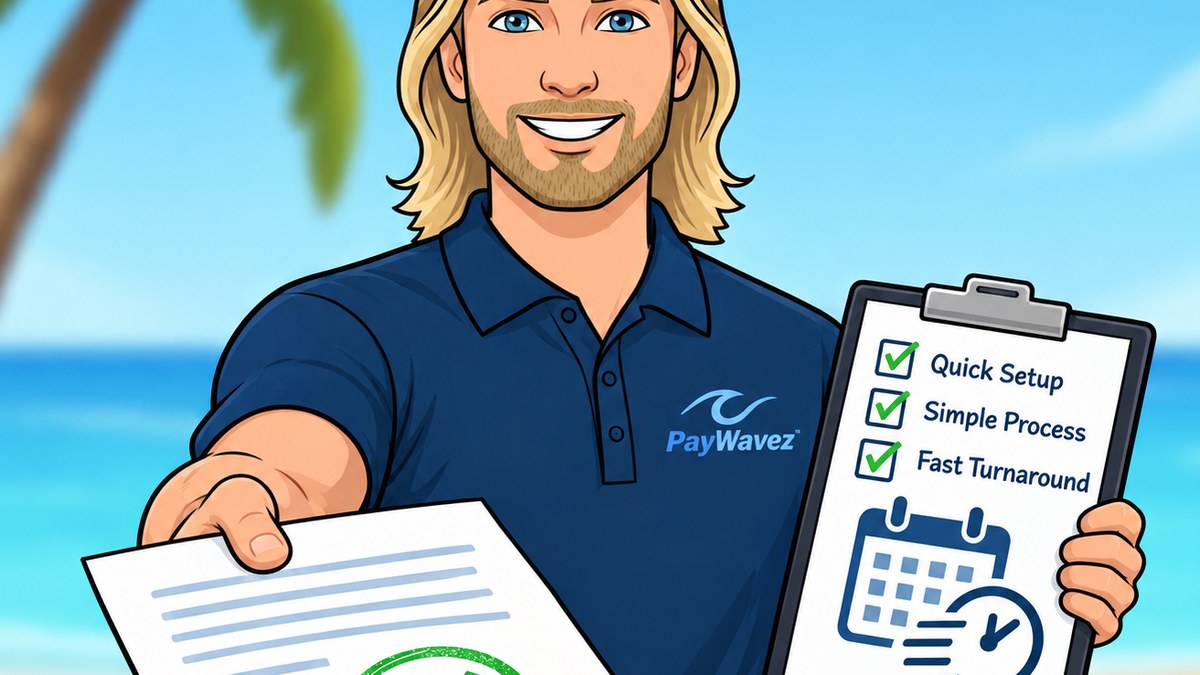
Step 3: How to Start a Merchant Services Business with the Right Partner
Your success depends entirely on the company you represent. You need an ISO that provides excellent customer support, fair contracts, and modern equipment. If your partner has bad service, your merchants will leave, and your residuals will disappear. Look for a partner that offers a wide range of terminals and Point of Sale (POS) systems. Merchants today want more than just a credit card machine; they want a system that helps them track inventory and manage employees.
Ask potential partners about their "buy rate." This is the wholesale cost they charge you for processing. The difference between your buy rate and the rate you charge the merchant is your profit. Also, ensure they offer transparent reporting so you can see exactly how much you are earning from every client each month.
Success in the merchant services industry isn't about the one-time sale; it's about the long-term relationship and the steady residual income that follows every swipe.
Step 4: Master the Hardware and Software
When you sit down with a business owner, they will ask you what kind of equipment they need. You should be familiar with standard countertop terminals, mobile card readers, and full-scale POS systems like Clover or specialized software for service industries. You need to know how to troubleshoot basic issues, like a machine losing its Wi-Fi connection or a batch failing to settle. If you can provide quick tech support, you will keep your clients for life.
In addition to hardware, you need to understand PCI compliance. This is a set of security standards that all merchants must follow to protect cardholder data. Part of your job is helping your clients stay compliant so they avoid expensive monthly non-compliance fees.
Step 5: Sales, Marketing, and Lead Generation
This is a relationship business. The best way to get started is by walking into local businesses in your community. Talk to the owners. Don't lead with a sales pitch; lead with a question. Ask them if they are happy with their current processor or if they feel like they are paying too much in fees. Offer to do a free statement analysis. This is where you take their current merchant statement and show them exactly where they are being overcharged and how much they could save by switching to your service.
Marketing yourself online is also vital. Create a simple website and use social media to share tips on how businesses can reduce their overhead. Focus on local SEO so that when a business owner searches for processing in their city, they find you first.
Managing Risk and Chargebacks
Part of running a merchant services business is managing risk. A chargeback happens when a customer disputes a charge with their bank. Too many chargebacks can cause a merchant's account to be shut down. You need to educate your clients on how to prevent fraud and how to properly document transactions to win chargeback disputes. When you help a merchant navigate a difficult chargeback, you prove your value as a partner, not just a salesperson.
Ready to see your own numbers?
Run your real card volume through the calculator or apply in about two minutes.