
Small Business Tips
How to Compare Merchant Services: A Practical Guide
Comparing merchant services is more than just looking for the lowest percentage. It is about finding a partner that offers transparent pricing, reliable hardware, and real support.
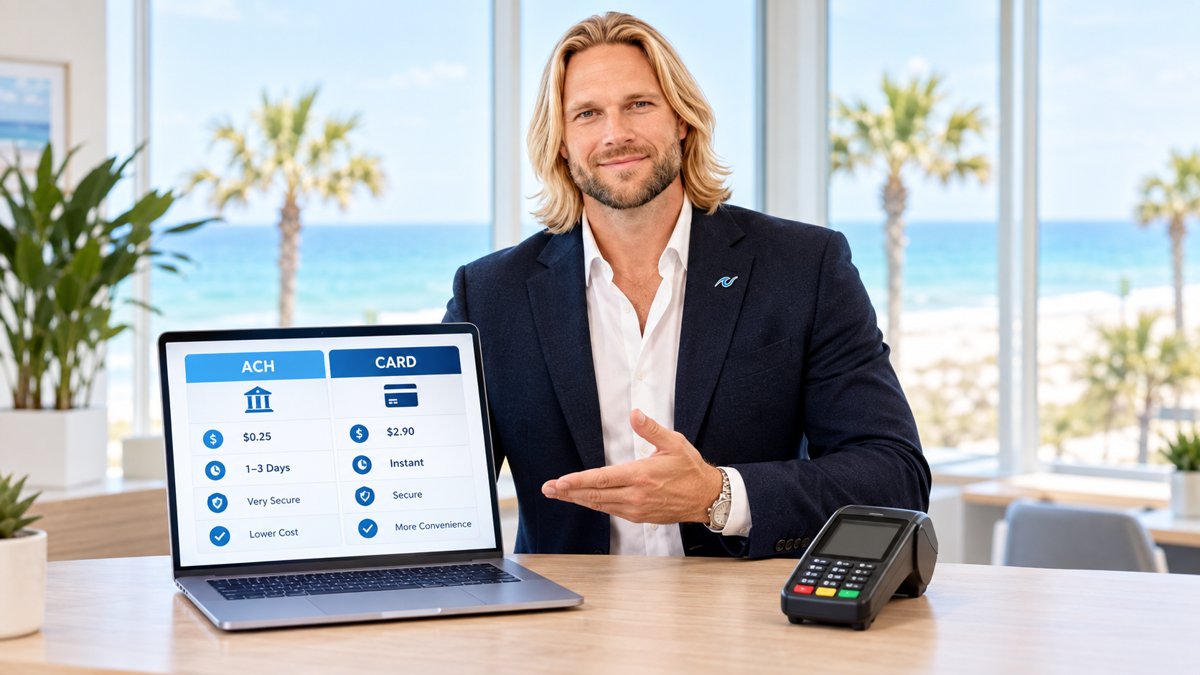
To compare merchant services effectively, you need to look past the "teaser rate" and calculate your total cost of acceptance. This total includes your processing rate, monthly software fees, and the cost of your equipment. Many business owners make the mistake of only looking at the percentage, but hidden fees can quickly make a "low" rate much more expensive than it looks.
Before you sign a contract, it helps to see what the market currently offers. You can start by reading our guide on the best merchant services for small business to get a baseline for what top-tier providers should provide.
The Three Pillars of Comparison
When you are looking at different providers, focus on these three categories to keep your comparison organized:
- Pricing Models: Are they offering Flat Rate (like Square) or Interchange Plus? Flat rate is simple but often more expensive for high-volume shops. Interchange Plus is usually more transparent and cheaper for growing businesses.
- Hardware and Software: Does the provider offer the specific tools you need? A retail shop needs a barcode scanner, while a service business might just need a mobile reader. You can see how modern equipment works by viewing a live demo of our latest systems.
- Contract Terms: Watch out for long-term commitments or "liquidated damages" clauses. The best providers earn your business every month rather than locking you into a three-year deal.
According to industry data, businesses that switch from a standard flat-rate model to a transparent Interchange Plus or Dual Pricing model can save between 15% and 40% on their total processing costs.
A Comparison Checklist for Business Owners
Use this hypothetical example to see how two different offers might look on paper. Imagine your business processes $20,000 per month with an average ticket of $50.
| Feature | Provider A (Flat Rate) | Provider B (Interchange Plus) |
|---|---|---|
| Processing Rate | 2.6% + $0.10 | Interchange + 0.20% + $0.10 |
| Monthly Fee | $0 | $15.00 |
| PCI Compliance Fee | Included | $99.00 / year |
| Equipment Cost | $799 (Upfront) | $25 / month (Lease) |
In this example, Provider A looks cheaper because there is no monthly fee. However, if your business grows, the higher percentage rate on Provider A will eventually cost you thousands more every year. To help you do the math for your specific volume, we recommend using a Processing Fee Calculator to see your real-world costs.
The cheapest rate on paper is rarely the cheapest rate on your bank statement at the end of the month.

Why Local Support Matters
When your credit card machine goes down on a busy Saturday, you don't want to be stuck on hold with a call center in another country. Comparing merchant services should also include a look at where the company is located. For example, we focus heavily on supporting our neighbors through our Alabama payment processing hub and across the Gulf Coast.
If you run a specialized business, like an auto detailing shop or a rental company, your needs are even more specific. Operators in these niches often benefit from industry-specific training, such as the Operator Lab course, which helps you manage the business side of things alongside your payments.
Final Thoughts on Choosing a Partner
In conclusion, the best way to compare merchant services is to ask for a side-by-side statement analysis. Don't be afraid to ask a salesperson to explain every single line item on their proposal. If they won't give you a straight answer about a "non-qualified fee" or an "admin fee," that is a major red flag.
For a deeper dive into specific companies, check out our analysis of the best merchant services for small business to see how we stack up against the national brands.
Ready to see your own numbers?
Run your real card volume through the calculator or apply in about two minutes.