
Merchant Support & Fees
How to Call Chase Credit Card Services for Merchant Support
When your business terminal goes down or your processing fees suddenly spike, you need to reach a human fast. This guide explains exactly how to navigate the Chase Merchant Services phone system to get the help you need.

Knowing how to call chase credit card services is essential for any small business owner using J.P. Morgan for their payment processing. While Chase is one of the largest banks in the world, their merchant services department operates differently than their personal banking side. If you are a business owner accepting credit cards, you cannot simply call the number on the back of a consumer card. You need the specific merchant support lines to handle batching issues, terminal errors, and statement disputes. In this guide, we will break down the direct contact methods and help you understand how to manage your merchant account more effectively.
How to call chase credit card services for Merchant Support
For small business owners, the primary way to get help is through the dedicated merchant support line. The main number for Chase Merchant Services is 1-888-888-7324. This line is staffed 24/7, which is helpful if you run a restaurant or a retail shop with late hours. When you call, make sure you have your 12-digit Merchant ID (MID) ready. Without this number, the automated system will make it very difficult to reach a live representative. You can usually find your MID at the top of your monthly processing statement or on a sticker located on the side of your credit card terminal.
If you are using a specific POS system like Clover that was provided through Chase, you might have a different support path. However, for general billing questions, deposit delays, or PCI compliance issues, the 888 number is your best bet. If you are calling from outside the United States, the international collect number is typically 1-214-319-2046. Remember that the goal of the call should be to get a ticket number for your issue so you can follow up if the problem isn't resolved immediately.
Why Business Owners Need Direct Merchant Support
Small business owners don't just call support for fun. Usually, something is wrong with the flow of money. If your terminal displays a "No Signal" error or a "Communication Failure," you are losing sales every minute. In these moments, knowing how to call chase credit card services quickly can save your day. Beyond technical glitches, you might need to call to verify why a specific batch didn't deposit into your business checking account. Sometimes, a large transaction can trigger a security flag, causing Chase to hold your funds until you provide more information.
Another common reason to call is to discuss processing rates. Many business owners start on a flat-rate plan that looks simple but becomes very expensive as the business grows. If you notice your "Effective Rate" (total fees divided by total sales) is creeping above 3.5% or 4%, it is time to call and ask for a review. However, be prepared: big banks are often less flexible with their rates than independent processors who specialize in small business advocacy.
Common Issues with Chase Merchant Accounts
One of the most frequent complaints business owners have when they call Chase involves chargebacks. A chargeback happens when a customer disputes a charge with their bank. When this occurs, Chase will typically withdraw the funds from your account immediately plus a chargeback fee (often $15 to $25). Navigating the rebuttal process requires specific documentation. While you can manage some of this through the Chase Business Online portal, talking to a human in the disputes department is often necessary to understand exactly what evidence you need to submit to win the case.
PCI compliance is another headache. Every business that accepts cards must be PCI compliant. If you don't complete your annual self-assessment questionnaire, Chase will charge you a monthly "PCI Non-Compliance Fee." These fees are often $30 to $50 per month. If you see this on your statement, you should call immediately. They can walk you through the portal to complete your questionnaire and potentially waive the most recent fee if you come into compliance right away.
Understanding Chase Processing Fees and Statements
Chase statements can be notoriously difficult to read. They often use a mix of interchange fees, assessment fees, and their own markups. When you call to ask about your fees, you should ask for a "Statement Analysis." This is where a representative explains exactly what you are paying for. Most Chase merchants are on "Tiered Pricing" or "Flat Rate Pricing." While these sound easy, they often hide the true cost of processing. For example, a "Rewards" card might be charged at a much higher rate than a standard debit card, but you won't see that detail clearly without a deep dive.
If you are looking to lower your costs, you should ask about "Interchange Plus" pricing. This is a more transparent model where you pay the actual cost from Visa/Mastercard plus a small, fixed margin for the bank. If Chase won't move you to this model, it might be a sign that you have outgrown their standard small business offering. Many businesses find that they can save thousands of dollars a year by switching to a provider that offers dual pricing or surcharging, which allows you to pass the processing costs on to customers who choose to pay with credit.
"When your credit card terminal goes down on a busy Saturday night, you don't need a phone tree; you need a partner who answers the call and knows your business by name."
Troubleshooting Chase Terminals and POS Systems
If your hardware is acting up, the support call will be very technical. Chase typically provides Verifone or Ingenico terminals. Common issues include paper jams, encrypted key failures, and internet connection drops. Before you call, try the "Power Cycle"—unplug the terminal, wait 30 seconds, and plug it back in. If that doesn't work, the support agent will likely ask you to perform a "Full Download" or a "Parameter Download." This updates the software on your machine. If the hardware is physically broken, ask about the replacement policy. Some contracts include free overnight shipping for replacement terminals, while others might charge you for the new device.
The Benefits of Local Payment Partners
While big banks have 24/7 call centers, they lack the local touch that many small businesses need. If you are a business owner in the Southeast, you might prefer working with a company that understands your local economy. For example, businesses looking for Alabama payment processing often find that local reps can visit their storefront to set up equipment in person. Whether you are running a boutique in Destin or a seafood shack on the coast, having a local contact means you don't have to wait in a 45-minute phone queue just to ask a simple question about your terminal.
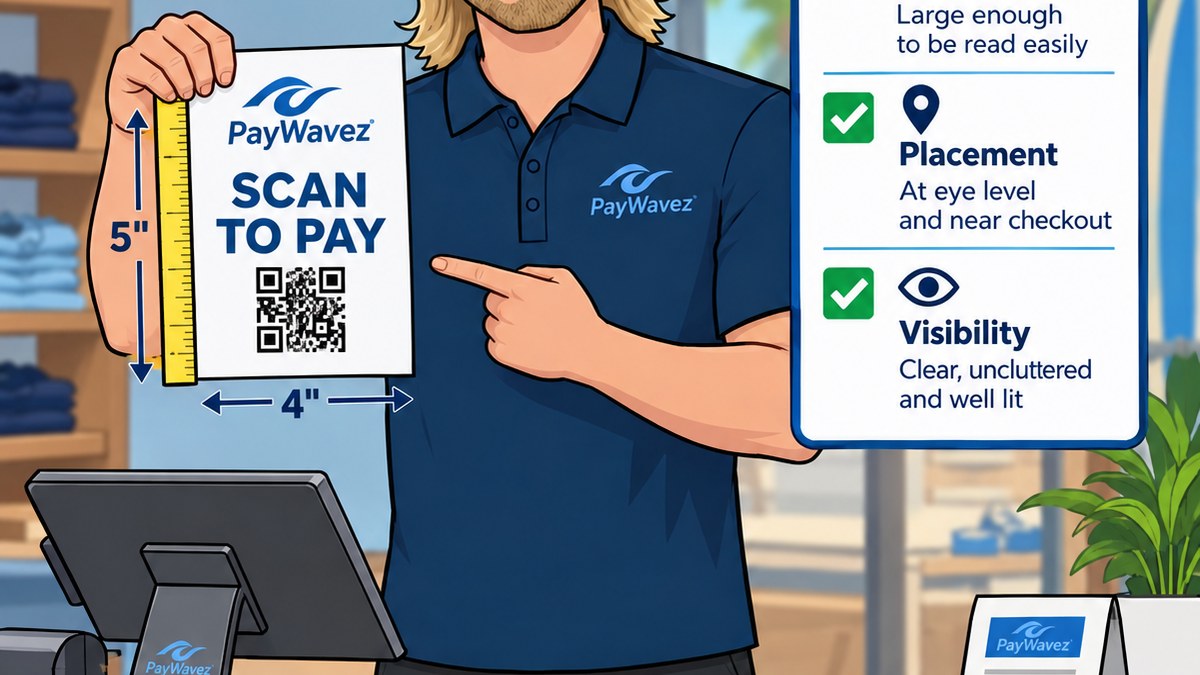
Local partners like PayWavez can often implement more advanced cost-saving strategies that big banks shy away from. This includes cash discount programs and surcharging. These programs are perfectly legal but require specific signage and terminal programming. A local expert can ensure you are compliant with state laws while virtually eliminating your processing fees. This is a level of service you rarely get when you are just one of a million accounts at a massive bank.
How to Reduce Your Card Processing Costs
If you are tired of calling support to complain about high fees, there are proactive steps you can take. First, audit your statement for "junk fees." Look for items like "Statement Fees," "Regulatory Product Fees," or "Minimum Processing Fees." These are often negotiable. Second, ensure you are swiping or dipping cards whenever possible. Manually keyed transactions (where you type in the card number) carry a much higher risk of fraud and therefore a much higher processing rate.
Finally, consider a "Dual Pricing" model. This is where your POS displays two prices: one for cash and one for credit. This is the most effective way to protect your margins. Most big bank processors don't promote this because they make more money when you pay the fees. By switching to a merchant-focused provider, you can keep more of your hard-earned revenue without sacrificing the convenience of accepting cards.
Ready to see your own numbers?
Run your real card volume through the calculator or apply in about two minutes.