
Hardware & Equipment
How to Get a Free Credit Card Machine for Your Small Business
Many payment processors offer free hardware to attract new merchants, but not all 'free' offers are created equal. We break down how to get the best terminal for your business without the hidden costs.
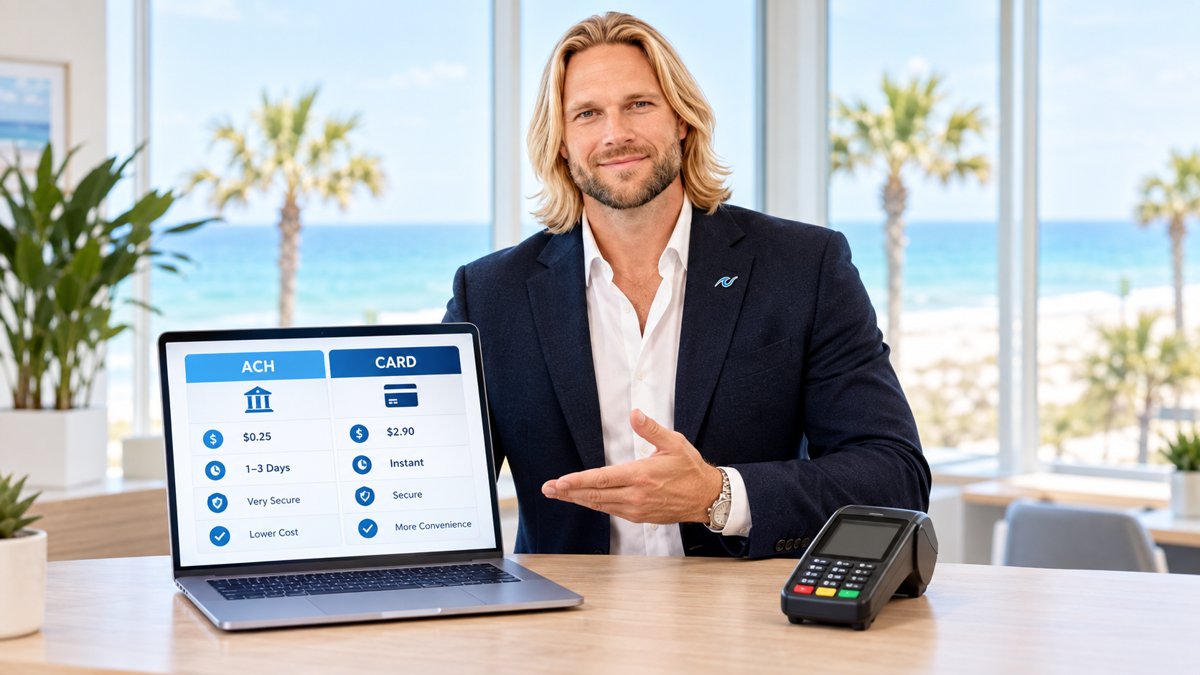
Free credit card machine for small business offers are everywhere in the payment processing industry, but savvy owners know that nothing is truly free without a clear understanding of the terms. When you are looking to accept card payments, the hardware is often the first hurdle. Whether you are running a boutique in Destin or a service business in rural Alabama, having a reliable way to dip, tap, or swipe cards is essential for survival in 2026. This guide will help you navigate the landscape of merchant services to find a deal that actually saves you money rather than burying you in fees.
The Reality of Merchant Account Hardware
Every small business owner wants to minimize overhead. In the world of payment processing, overhead comes in two main forms: equipment costs and transaction fees. A credit card terminal is the physical device that reads customer data and sends it to the processing network. These devices can range from simple mobile readers to complex, multi-screen point-of-sale (POS) systems. While some companies charge hundreds of dollars upfront for these devices, others provide them at no initial cost to the merchant.
It is important to understand that the processor is usually recouping the cost of that 'free' machine through your monthly processing volume. This is a standard practice in the industry. The goal for a business owner is to ensure that the hardware is modern, secure, and compliant with current EMV (chip card) standards, without being locked into a predatory contract that makes the 'free' machine the most expensive piece of equipment in the building.
Free credit card machine for small business: Is it actually free?
When a provider offers a free credit card machine for small business, they are usually doing one of three things. First, they might be providing a 'placement' model. In this scenario, you use the equipment as long as you process with them. If you leave, you return the machine. This is often the best deal for small merchants because it requires zero capital upfront and includes support if the device breaks.
Second, some companies offer a 'free' machine but hide the cost in a long-term lease. We strongly advise against equipment leases. A lease might charge you $40 a month for four years for a machine that only costs $300 to buy outright. By the end of the term, you have paid nearly $2,000 for a basic terminal. Third, some processors offer the hardware for free but hike your transaction rates (the percentage you pay on every sale) to cover the cost. This is why it is vital to look at your 'effective rate'—the total fees divided by total volume—rather than just the hardware price tag.
According to industry data, merchants who lease equipment often pay 5x to 10x the retail value of the hardware over the life of a standard 48-month contract. Always opt for free placement or an outright purchase over a lease.
Understanding Processing Fees and Merchant Statements
To truly benefit from a free terminal, you must understand how you are being charged for the transactions that run through it. Most processors use one of three pricing models: Flat Rate, Tiered, or Interchange-Plus. Flat rate is simple (e.g., 2.6% + $0.10) but often more expensive for high-volume businesses. Tiered pricing is often a 'scam' where processors bucket transactions into 'qualified' and 'non-qualified,' often charging much higher rates for rewards cards or keyed-in entries.
Interchange-Plus is generally the most transparent model. It passes the actual cost from the card brands (Visa, Mastercard) directly to you with a small, fixed markup. When you combine Interchange-Plus with a free equipment placement program, you get the best of both worlds: no upfront costs and the lowest possible transaction fees. You can see how this works in action by viewing our live demo of modern payment hardware and software.
"A free terminal is only a deal if the processing rates don't eat your profits. Transparency in your merchant statement is more valuable than a free piece of plastic."
Surcharging and Dual Pricing: The Path to Zero-Fee Processing
The biggest trend for small businesses in 2026 is the move toward 'Zero-Fee' processing. This is achieved through surcharging or dual pricing programs. In these models, the cost of the credit card processing is passed on to the customer who chooses the convenience of using a card, while cash-paying customers receive a lower price. This can effectively eliminate 95% to 100% of your processing fees.
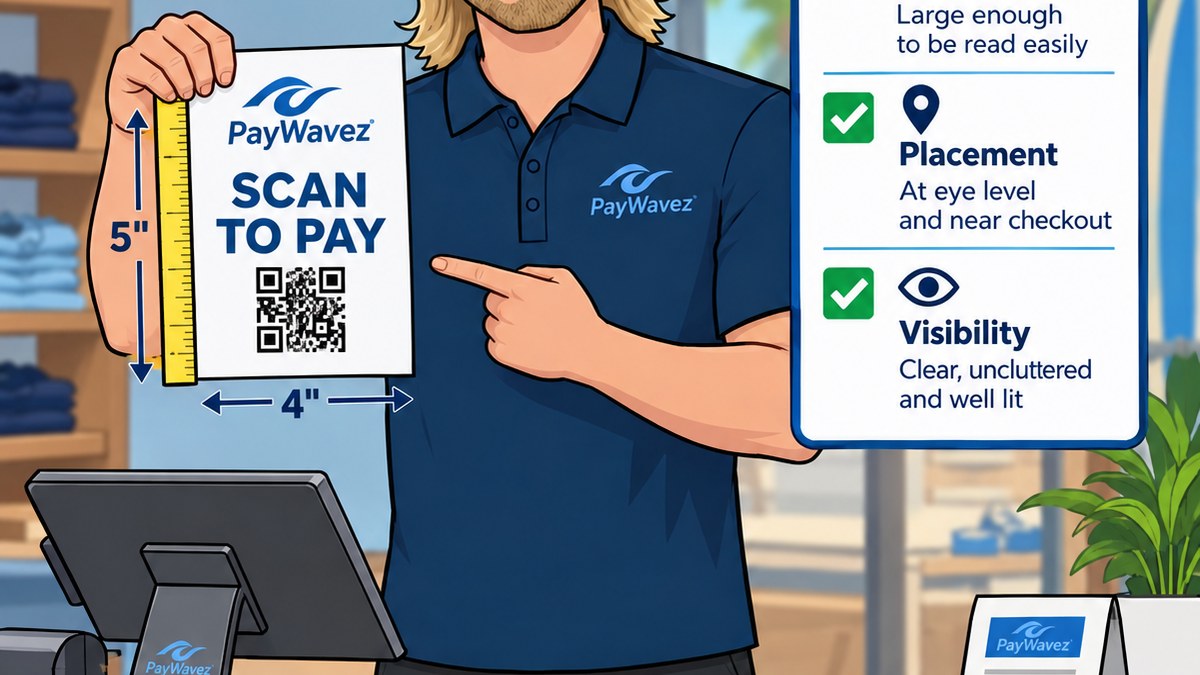
Many providers who offer a free credit card machine for small business do so specifically for merchants who enroll in these programs. Because the merchant is saving thousands of dollars a year in fees, the processor can afford to provide the hardware as part of the service. However, you must ensure your processor follows all state and federal laws regarding signage and disclosure. At PayWavez, we specialize in helping businesses across the Gulf Coast implement these programs legally and professionally.
Hardware Options: Terminals vs. Full POS Systems
Not every business needs the same type of machine. A coffee shop might need a full POS system with inventory management and a kitchen printer. A mobile locksmith might just need a handheld smart terminal with 4G connectivity. A professional service office might only need a simple countertop 'plug-and-play' terminal.
- Countertop Terminals: Reliable, ethernet or Wi-Fi connected, perfect for retail desks.
- Smart Terminals: Handheld devices with touchscreens that can run apps, track basic inventory, and print receipts.
- Mobile Readers: Small Bluetooth devices that connect to a smartphone or tablet.
- Full POS: Systems like Clover or specialized software for restaurants and retail.
When looking for a free machine, ask if it is a 'smart' terminal. Older 'analog' terminals are becoming obsolete. You want a device that supports EMV chips, NFC (Apple Pay/Google Pay), and has a built-in printer or digital receipt capability.
Chargebacks and Security for Small Merchants
A free machine is a liability if it isn't secure. Every merchant in the US must be PCI compliant to protect customer data. Modern free terminals provided by reputable processors come with built-in encryption and tokenization. This means the customer's actual card number never touches your system, which significantly reduces your risk of a data breach.
Furthermore, using an EMV-compliant chip reader protects you from certain types of chargebacks. If you swipe a chip card instead of dipping it, and that transaction is later disputed as fraudulent, the merchant (you) is liable for the loss. By using the free EMV equipment provided by your processor, you shift that liability back to the card-issuing bank. This 'liability shift' is one of the most important reasons to upgrade from old equipment to a modern, free terminal.
How to Choose a Transparent Payment Partner
Before signing up for a free credit card machine, ask the following questions: Is there an annual fee? Is there a PCI compliance fee? What is the contract length? Is there a 'liquidated damages' clause if I cancel? A transparent partner will give you a straight answer. Avoid companies that use 'teaser rates' that disappear after three months or those that refuse to show you a sample statement.
For businesses in the Southeast, local support matters. Whether you are in Mobile, Birmingham, or any of our Alabama service areas, having a partner who understands your local market and can provide on-site help is a major advantage over a faceless '800-number' processor.
Ready to see your own numbers?
Run your real card volume through the calculator or apply in about two minutes.