
Fraud & Risk
The EMV Chip Liability Shift, Explained for Small Business Owners
If a fraudulent transaction happens on a card that has a chip, and your business only swiped the magnetic stripe instead of reading the chip, your business -- not the card issuer -- can end up eating the loss. That's the liability shift, and it's a bigger deal than most merchants realize.
What the liability shift actually changed
Before the EMV liability shift, card issuers generally absorbed the cost of most in-person fraud. The shift moved that liability to whichever party -- the merchant or the issuer -- used the less secure technology in a given transaction. If a card has a chip and the merchant's terminal only swiped the stripe, the merchant can be liable for a resulting fraud loss that would otherwise have been the issuer's.
Why this matters day to day
Most small businesses never think about liability shift until a chargeback happens and they discover their terminal setup put them on the losing side of it. A few practical points:
- Always insert or tap a chip-enabled card rather than swiping, even if swiping still technically works on your terminal
- Confirm your terminal software is current -- older configurations sometimes default to swipe prompts unnecessarily
- Contactless (tap) payments carry the same chip-level protection as inserting the card, so tap is not a lesser option
- Train staff to never manually key in a card number when a chip or contactless option is available, since keyed transactions carry the highest liability exposure
What to check on your own setup
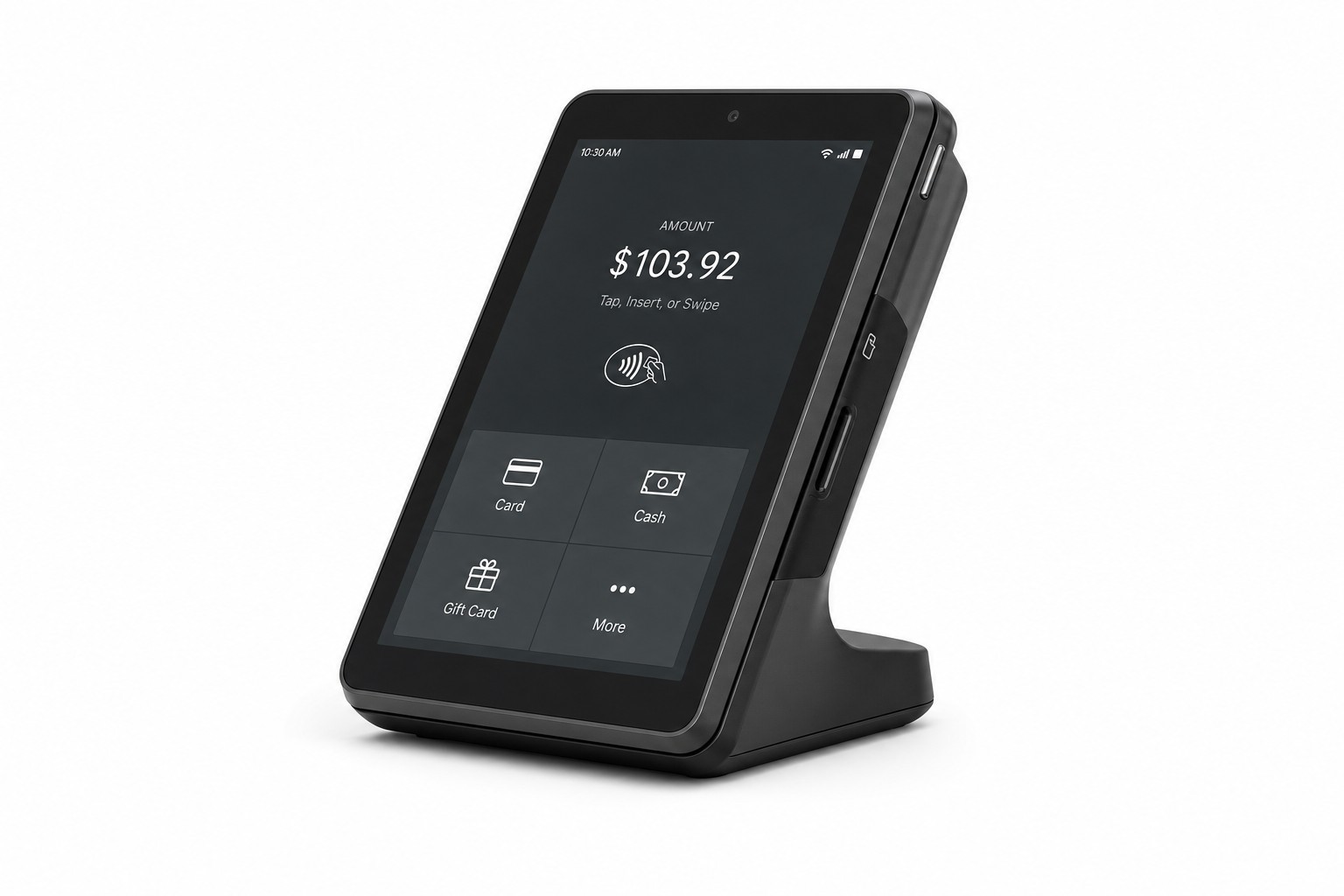
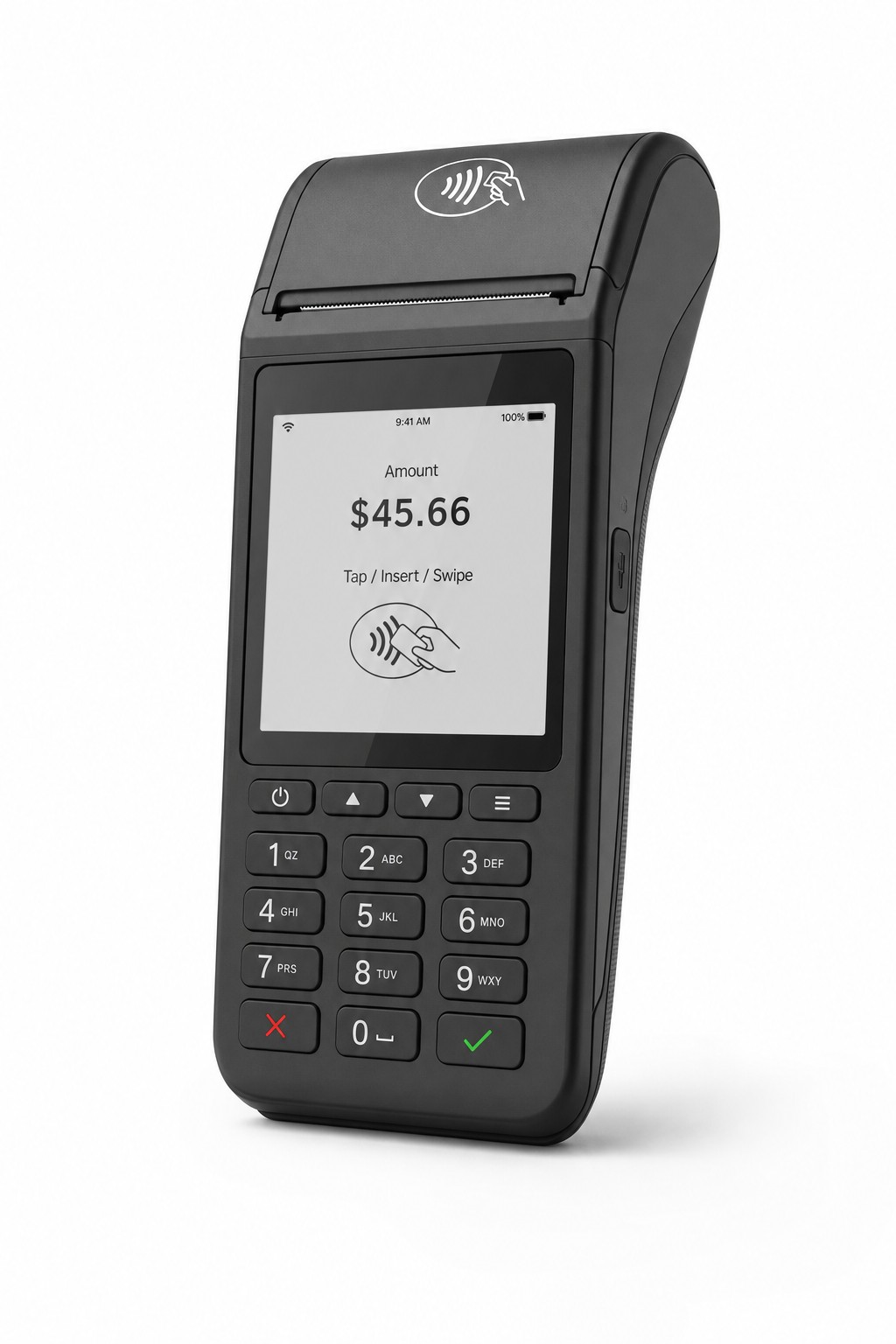
If your terminal is more than a few years old, or if staff commonly swipe out of habit even when a chip is present, it's worth confirming your hardware and settings are actually using chip-read as the default rather than falling back to swipe. A modern smart terminal removes most of this risk automatically.
Wondering if your terminal is protecting you?
See what a modern, fully EMV-compliant terminal setup looks like.