
Contractor Payments
Do Contractors Take Payments via Credit Card? A Guide for Small Business Owners
If you are still waiting for paper checks to arrive in the mail, you are slowing down your business growth. Modern contractors are moving toward digital payments to secure cash flow and provide better service.
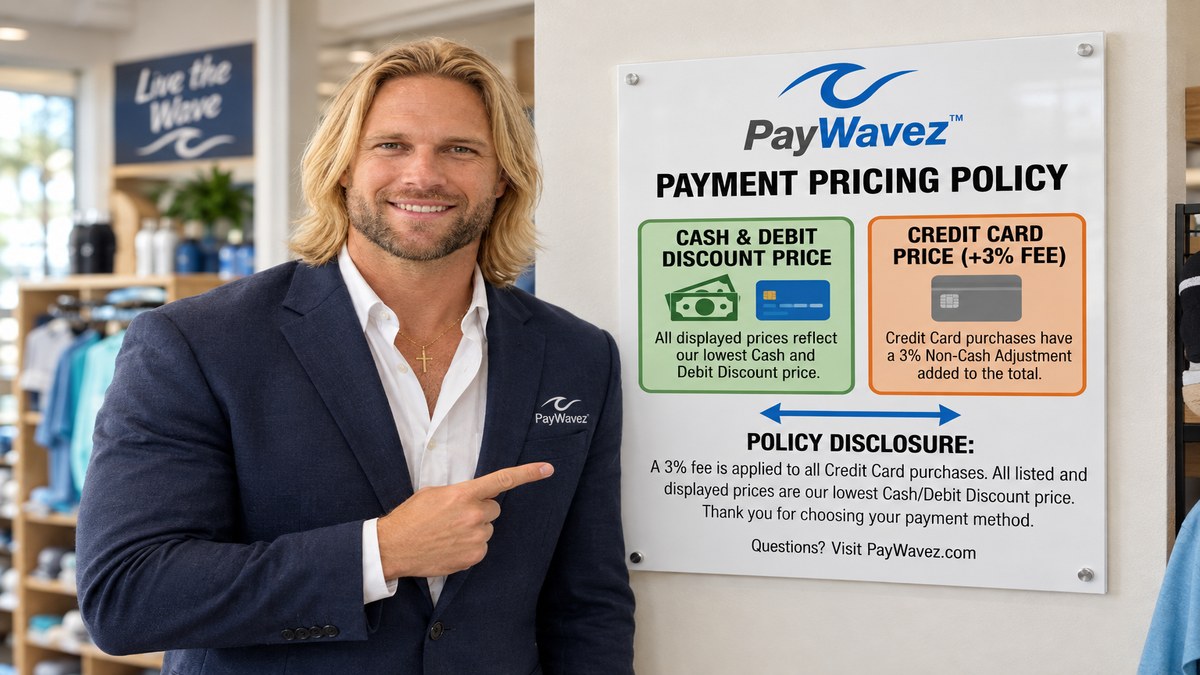
Do contractors take payments by credit card in 2026? The short answer is yes, and they are doing it more than ever before. For years, the construction and home service industry relied on paper checks and cash. However, waiting for a check to clear—or worse, waiting for a customer to actually mail it—can cause massive gaps in your cash flow. When you have crews to pay and materials to buy, you cannot afford to wait weeks for a payment to settle. Accepting credit cards allows you to get paid the moment the job is done.
Why Modern Contractors Are Moving Away from Checks
In the past, many small business owners avoided credit cards because of the processing fees. They felt that losing 3% of a large renovation project was too much money. But today, the cost of not taking cards is often higher. When you accept cards, you look more professional. You also make it easier for your customers to pay you. Most homeowners do not keep thousands of dollars in a checking account, but they do have credit limits. By offering card payments, you might actually close larger deals because the customer can finance the project on their own terms.
Furthermore, digital payments are much more secure than cash or checks. Checks can bounce, and carrying large amounts of cash is a safety risk for your team. When you process a card through a secure merchant account, the funds are verified almost instantly. This gives you peace of mind that the money is actually there and moving toward your bank account.
Do Contractors Take Payments via Mobile Readers?
One of the most common questions we hear is: do contractors take payments while they are still on the job site? Yes, thanks to mobile card readers and smartphone apps. You no longer need a bulky machine plugged into a wall. You can carry a small Bluetooth reader in your pocket that connects to your phone or tablet. This allows you to swipe, dip, or tap a customer's card right in their driveway. This is especially helpful for service calls, HVAC repairs, or plumbing jobs where the total is known immediately.
Using a mobile reader also helps with record-keeping. Every transaction is logged in your system. You can send a digital receipt to the customer via email or text before you even start your truck. This level of transparency builds trust and ensures you don't have to spend your Sunday evenings doing manual data entry for your books. If you want to see how this works in action, you can check out our live demo of modern payment tools.
Understanding Merchant Accounts and Processing Fees
To start taking cards, you need a merchant account. This is a special type of bank account that allows your business to accept credit and debit card payments. It acts as a middleman between the customer’s bank and your business bank account. When you set up an account, you will encounter different types of fees. The most common is the interchange fee, which is set by the card brands like Visa and Mastercard. On top of that, your processor will charge a small markup for their services.
There are two main ways these fees are structured: flat-rate and interchange-plus. Flat-rate pricing is simple—you pay the same percentage for every transaction. This is easy to understand but often more expensive for high-volume contractors. Interchange-plus pricing is more transparent. It shows you exactly what the card brands charge and exactly what the processor takes. For many small businesses in places like Destin, switching to a more transparent model saves thousands of dollars every year.
"Accepting cards turned my 30-day wait for paper checks into instant cash flow. It is the single best decision I made for my contracting business this year."
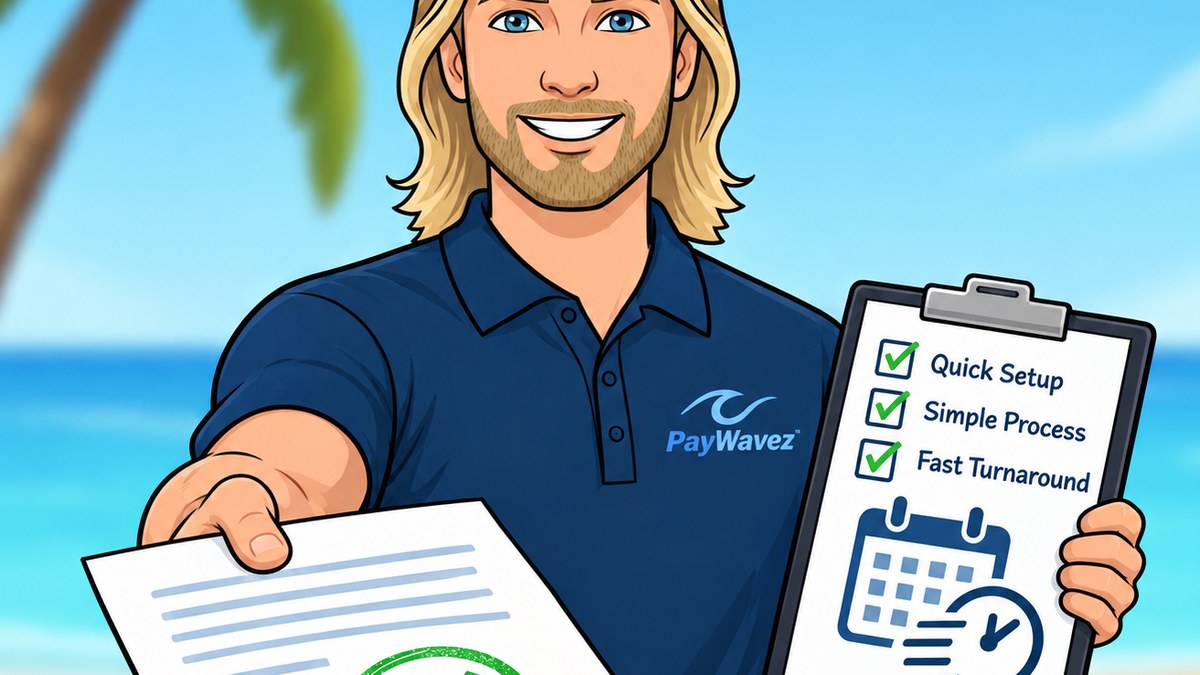
Surcharging and Cash Discount Rules for Contractors
If you are worried about the 3% fee eating your profit, you should look into surcharging or cash discount programs. Surcharging is when you add a small fee (usually around 3% to 4%) to any customer who chooses to pay with a credit card. This covers your processing costs so that you take home 100% of your invoice amount. However, there are strict rules you must follow. You cannot surcharge on debit cards, and you must display clear signage or notice on your invoices.
A cash discount program works the opposite way. You set your prices assuming the customer will pay with a card, but you offer a discount if they pay with cash or a check. This is often easier to manage legally and is very popular with service businesses. Both methods allow you to offer the convenience of card payments without losing money on the fees. If you are operating in Alabama, it is important to work with a processor who understands the local and federal regulations regarding these programs.
How to Handle Chargebacks and Disputes
A chargeback happens when a customer contacts their bank to dispute a charge. For contractors, this can be a nightmare. Sometimes a customer might claim the work wasn't done correctly or that they didn't authorize the payment. To protect yourself, always have a signed contract and a signed completion certificate for every job. Take photos of the finished work. If a dispute happens, you can provide this documentation to your merchant service provider to prove the work was completed as agreed. Having a dedicated merchant account representative can help you navigate these disputes much better than a giant, faceless payment aggregator.
Choosing the Right POS and Terminals for the Field
Not all payment hardware is created equal. For a contractor, you need something rugged and portable. Smart terminals are a great choice because they have built-in batteries and cellular connections. This means you don't need to ask the homeowner for their Wi-Fi password to run a transaction. These terminals can also handle "tap-to-pay" options like Apple Pay and Google Pay, which many younger homeowners prefer.
If you do a lot of work from an office or over the phone, you can also use a virtual terminal. This allows you to type in card numbers on your computer. This is perfect for taking deposits before a project starts or final payments after a project is finished without having to visit the site again. Combining a mobile reader for the field and a virtual terminal for the office gives you total flexibility in how you get paid.
Ready to see your own numbers?
Run your real card volume through the calculator or apply in about two minutes.