
Industry Solutions
Contractor Payment Solutions: How to Get Paid Faster and Keep More Profit
Stop chasing paper checks and start getting paid on the job site. This guide breaks down the best ways for contractors to accept card payments while keeping processing fees under control.
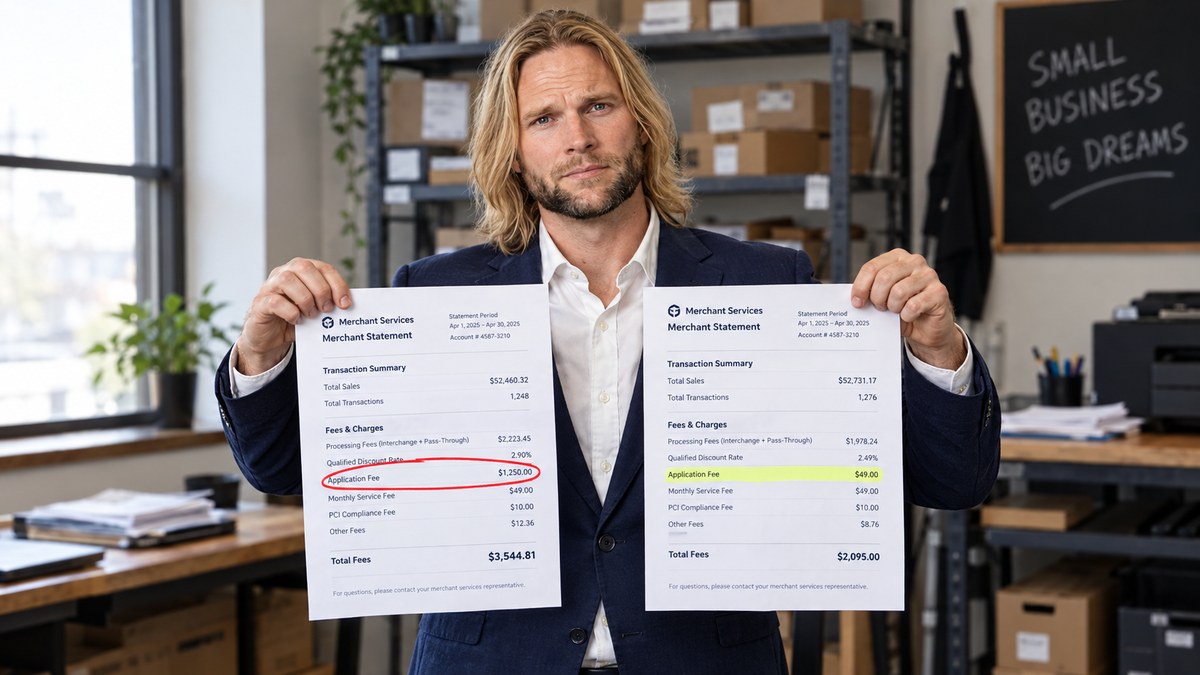
Finding the right contractor payment solutions is the difference between waiting weeks for a check and getting paid the moment a job is finished. For many small business owners in the construction and home service trades, the old way of invoicing—mailing a bill and hoping for a check—is simply too slow for modern cash flow needs. Before we dive into the mechanics of credit card processing, you should check out our detailed guide on the best payment processing for contractors to see how specific software can change your business.
Why Checks Are Killing Your Cash Flow
Many contractors stick to checks because they want to avoid credit card processing fees. While a check might seem "free," the time spent driving to the bank, waiting for funds to clear, and chasing down clients who "forgot" to mail the payment is very expensive. When you use professional contractor payment solutions, you can accept a card payment on the spot. This means the money is in your bank account in a day or two, rather than a month. In a high-cost industry like construction, having that cash available to buy materials for the next job is vital.
Comparing Modern Contractor Payment Solutions for the Field
When you are out in the field, you need tools that work where you are. You cannot lug a heavy desktop computer to a job site in Gulf Shores just to take a payment. Modern solutions for contractors fall into a few main categories. Some use a mobile app on their phone, while others prefer a dedicated handheld terminal. A dedicated terminal is often better because it looks more professional and is more secure than a tiny plastic dongle plugged into a phone. These devices allow you to take chip cards (EMV) and tap-to-pay options like Apple Pay, which customers now expect.
The average construction business waits 30 to 60 days for payment on a paper invoice, while those using digital solutions are often paid in less than 48 hours.
Understanding the Real Cost: Processing Fees Explained
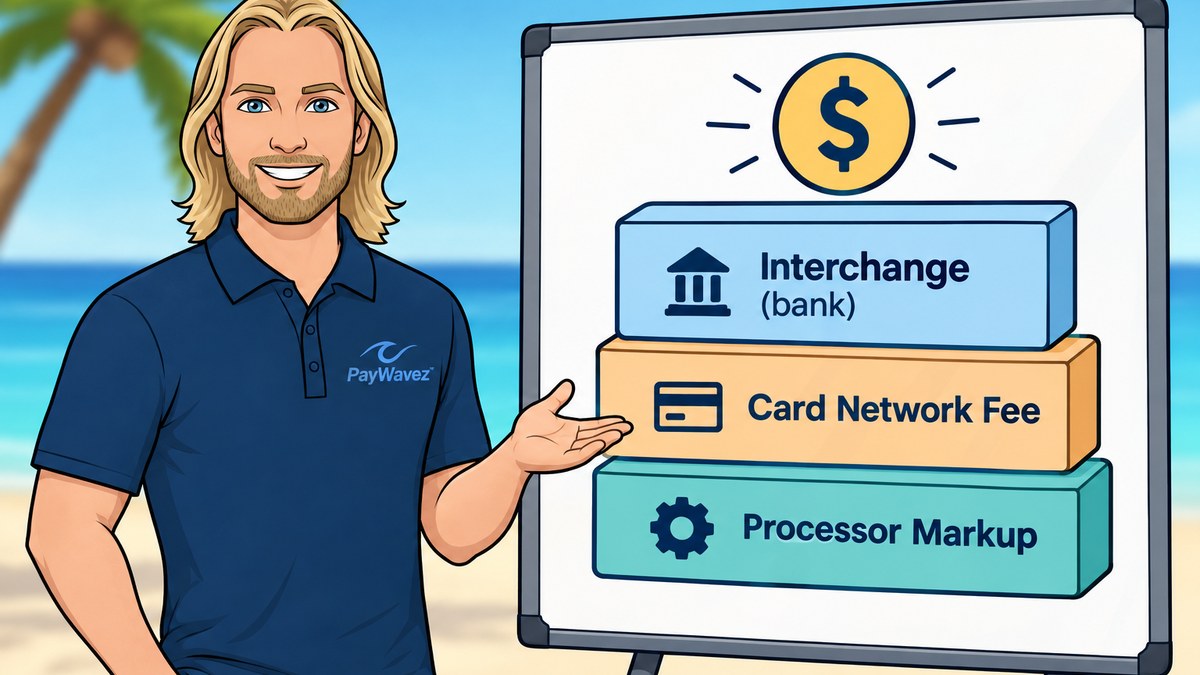
One reason contractors hesitate to accept cards is the confusion over fees. You might hear about "flat-rate" pricing or "interchange-plus" pricing. Flat-rate pricing sounds simple, but it is often the most expensive option for high-ticket items like a kitchen remodel or a new roof. Interchange-plus pricing is more transparent. It charges you the raw cost from the card brands plus a small, fixed margin. For a contractor doing large transactions, this can save thousands of dollars a year. If you want to see how these rates look in action, you can view our live demo of how our systems track these costs.
Surcharging and Dual Pricing: The Secret to Zero-Fee Processing
What if you could accept credit cards without paying any fees at all? This is possible through surcharging or dual pricing programs. These programs allow you to pass the cost of the credit card processing fee directly to the customer who chooses to pay with a card. If they pay with cash or a check, they pay the standard price. If they use a card, a small percentage (usually around 3%) is added to cover the cost. This is a game-changer for contractors with tight margins. However, there are strict rules you must follow, such as having proper signage and not exceeding the 4% cap set by card brands. You can learn more about these rules on our Alabama payment processing hub.
The best payment system is the one that gets you paid before you leave the job site, without eating your profit margins.
Merchant Accounts vs. Payment Aggregators
Many small contractors start with aggregators like Square or PayPal. While these are easy to set up, they come with risks. Aggregators can freeze your funds or close your account without warning if they decide a large transaction looks suspicious. For a contractor, a $10,000 deposit for a job is normal, but to an aggregator, it might look like a red flag. A dedicated merchant account is a direct relationship between your business and the processor. It offers more stability, better support, and usually lower rates for businesses that process more than $5,000 a month.
Mobile Terminals and POS Systems for the Road
A mobile Point of Sale (POS) system is more than just a card reader. It can help you track your inventory, manage your team, and send digital receipts. For contractors, a "smart terminal" is the gold standard. These devices have built-in Wi-Fi and cellular connections, so you can take payments even if you are at a remote job site with no internet. They also allow for "store and forward" features, where the device captures the card data and processes it once you are back in range of a signal. This ensures you never miss a payment because of a bad connection.
Preventing Chargebacks in the Construction Industry
A chargeback happens when a customer disputes a charge with their bank. In the construction world, this often happens if a customer is unhappy with the work or if there is a misunderstanding about the contract. To protect yourself, always get a signed contract and a signed "completion of work" form before you swipe the card for the final payment. Modern contractor payment solutions allow you to attach these documents to the digital transaction record. This makes it much harder for a customer to win a false dispute, protecting your hard-earned money.
Choosing the right contractor payment solutions is about more than just swiping cards; it is about protecting your margins and your time. By moving away from checks and using a dedicated merchant account with surcharging options, you can grow your business faster and with less stress. If you are ready to see the difference, check out our guide on the best payment processing for contractors and start keeping more of what you earn.
Ready to see your own numbers?
Run your real card volume through the calculator or apply in about two minutes.