
Fees & Rates
Consumer Payment Solutions: A Small Business Guide to Lower Fees
Finding the right way to accept credit cards shouldn't cost you a fortune in hidden fees. This guide breaks down how to choose the best processing setup for your business.
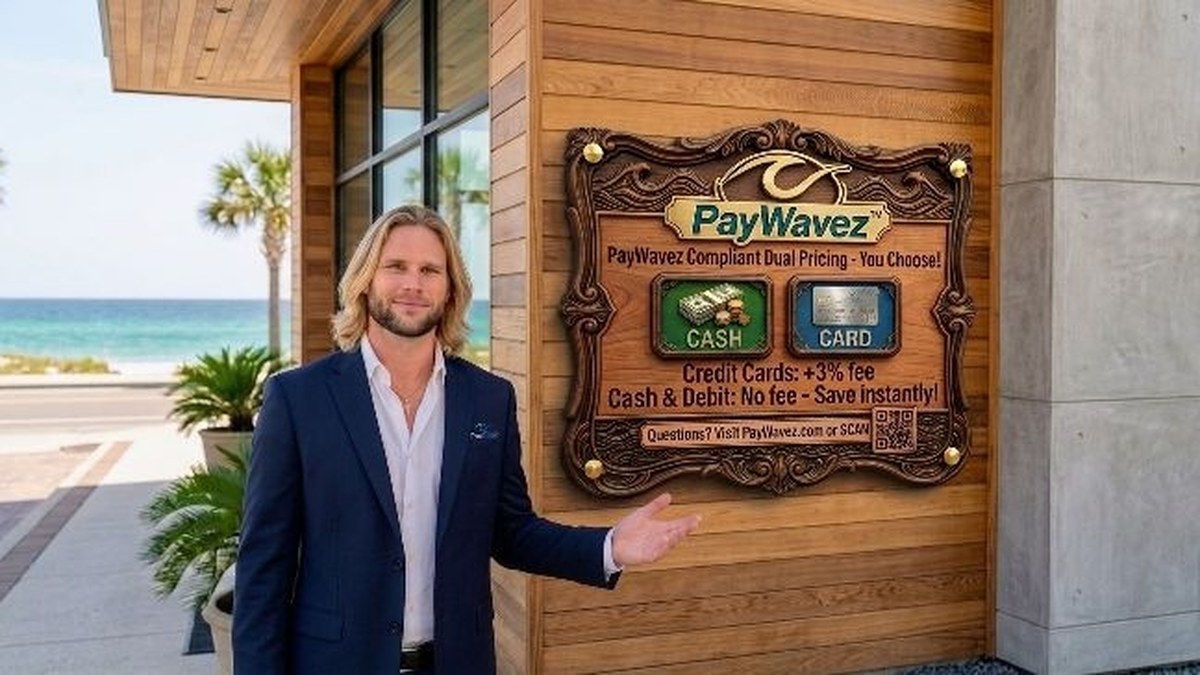
Consumer payment solutions are the tools and services that allow your small business to accept credit cards, debit cards, and digital wallets like Apple Pay. For a local business owner, choosing the right provider isn't just about getting a sleek piece of hardware for the counter. It is about understanding the plumbing of the financial world so you can keep more of your hard-earned revenue. Whether you run a coffee shop in Pensacola or a retail boutique in Foley, your choice of processor impacts your bottom line every single day. In this guide, we will look at how these systems work, what you should be paying, and how to avoid the common traps that catch many entrepreneurs.
The Basics of Merchant Accounts and Gateways
To start accepting payments, you generally need a merchant account. This is a special type of bank account that holds funds from credit card sales before they are deposited into your actual business checking account. Some providers, known as aggregators, lump many businesses into one giant merchant account. While this is fast to set up, it often leads to higher risks of account freezes or sudden shutdowns. A dedicated merchant account offers more stability and often better pricing for businesses that process more than a few thousand dollars a month.
The gateway is the digital version of a card swiper. It is the software that sends the transaction data from your customer to the bank for approval. If you are selling online or taking payments over the phone, the gateway is what keeps that data secure. For physical stores, the gateway is usually built directly into your credit card terminal or Point of Sale (POS) system. Understanding this flow is the first step in taking control of your business finances.
According to industry data, the average small business pays between 1.5% and 3.5% per transaction in total processing fees, depending on the card type and processing method used.
Choosing the Best Consumer Payment Solutions for Your Store
When you are looking for consumer payment solutions, you will see two main pricing models: flat-rate and interchange-plus. Flat-rate pricing is simple. You pay the same percentage for every transaction, no matter what card the customer uses. This sounds good, but it is often the most expensive way to process payments because the provider builds in a large profit margin to cover their own costs. It is easy to understand but hard on your bank account as you grow.
Interchange-plus pricing is much more transparent. You pay the actual cost set by Visa or Mastercard (the interchange) plus a small, fixed markup for the processor. This is almost always the cheaper option for established businesses. If you want to see how these rates compare in real-time, you can view a live demo of how modern systems handle these calculations. By seeing the data behind the scenes, you can spot where your current provider might be adding extra fluff to your monthly bill.
Understanding Processing Fees and Hidden Costs
The fee you see on a marketing flyer is rarely the fee you actually pay. Merchant statements are notoriously difficult to read, often by design. You might see fees for "PCI Compliance," "Statement Fees," "Batch Headers," or "Monthly Minimums." Many of these are junk fees that can be negotiated away or avoided entirely with the right partner. A common trick is for a processor to offer a very low "qualified rate" that only applies to basic debit cards, while charging a much higher "non-qualified" rate for rewards cards or business cards.
To truly understand your costs, you need to calculate your effective rate. This is done by taking your total fees for the month and dividing them by your total sales volume. If that number is significantly higher than the rate you were promised, it is time to ask questions. Many Gulf Coast business owners find that switching to a transparent model saves them hundreds of dollars every month, which can be reinvested into marketing or inventory.
The best payment solution isn't the one with the flashiest terminal; it's the one with the most transparent fee structure and local support you can trust.
Surcharging and Cash Discount Rules
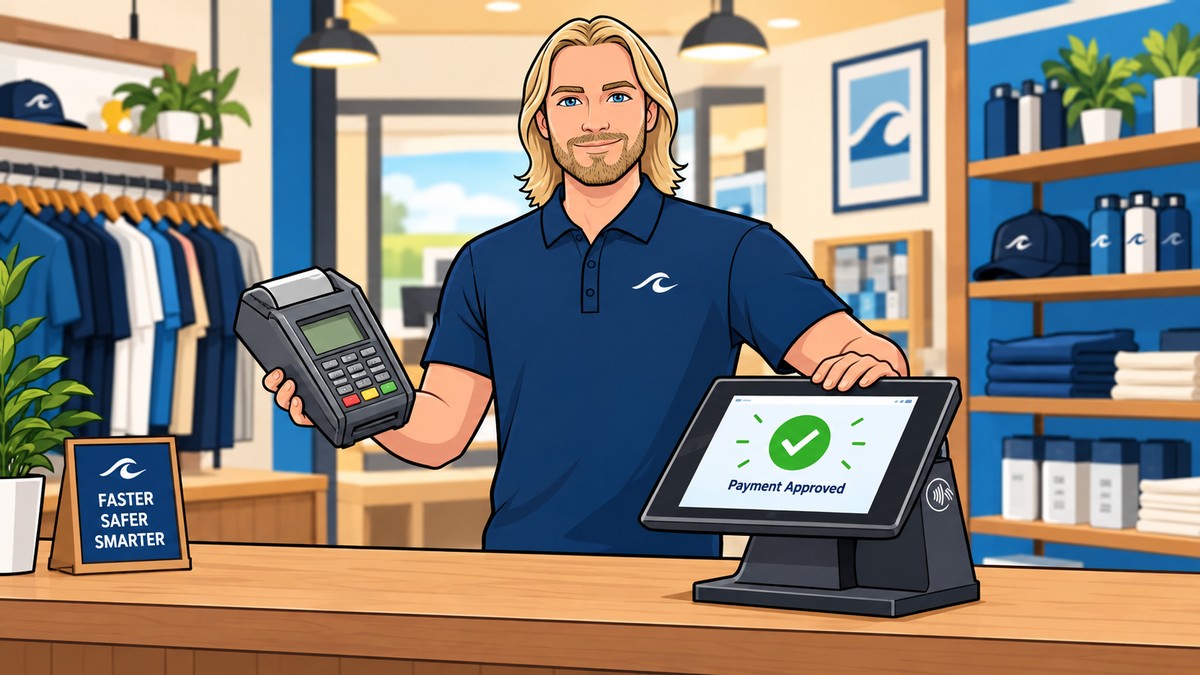
One of the most effective ways to lower your costs is to pass the processing fees on to the customers who choose to use credit cards. This is known as surcharging or dual pricing. While this was once a legal grey area, it is now a standard practice for many small businesses across the United States. However, there are very strict rules you must follow to stay compliant with state laws and card brand regulations. For example, you cannot surcharge on debit cards, even if they are run as "credit."
A cash discount program is a slightly different approach. In this model, you display your prices as the credit price, and offer a discount to anyone paying with cash or a check. This is often easier for customers to accept and is legal in all 50 states. If you are operating in the Southeast, it is important to check specific regional requirements. You can find more details on our Alabama payment processing hub to see how local businesses are staying compliant while eliminating their processing bills.
Terminals and POS Systems: What You Really Need
Hardware is the part of the system you and your staff will touch every day. Modern smart terminals do much more than just swipe cards. They can track inventory, manage employee hours, and even run loyalty programs. When choosing hardware, look for devices that are "future-proof." This means they should accept EMV chips, contactless "tap" payments, and mobile wallets. If your terminal is more than five years old, you might be missing out on security features that protect you from fraud.
For many businesses, a full Point of Sale (POS) system is better than a standalone terminal. A POS integrates your sales data with your accounting software, making tax season much easier. Whether you need a mobile reader for a food truck or a multi-station setup for a large restaurant, the goal is to reduce friction at the checkout. If you are looking for specific advice for your area, check out our guide for Pensacola credit card processing to see which hardware setups are trending among local merchants.
Managing Chargebacks and Fraud
A chargeback happens when a customer disputes a charge with their bank instead of asking you for a refund. This can be a major headache for small business owners. Not only do you lose the sale and the merchandise, but you also get hit with a chargeback fee from your processor. To prevent this, always use EMV chip readers for in-person transactions. This shifts the liability for fraud away from you and back to the bank. If you are still swiping cards or typing in numbers manually, you are taking a huge financial risk.
Clear communication is your best defense. Make sure your business name on the customer's credit card statement matches the name on your sign. Provide receipts for every transaction and have a clear, posted refund policy. If a dispute does happen, having a processor that will actually pick up the phone and help you fight the case is invaluable. Don't settle for a provider that leaves you to deal with the banks on your own.
Ready to see your own numbers?
Run your real card volume through the calculator or apply in about two minutes.