
Payments 101
What Are Commercial Payment Systems?
A commercial payment system is the technology and infrastructure that allows a business to accept money from customers, whether those customers are individuals or other companies.
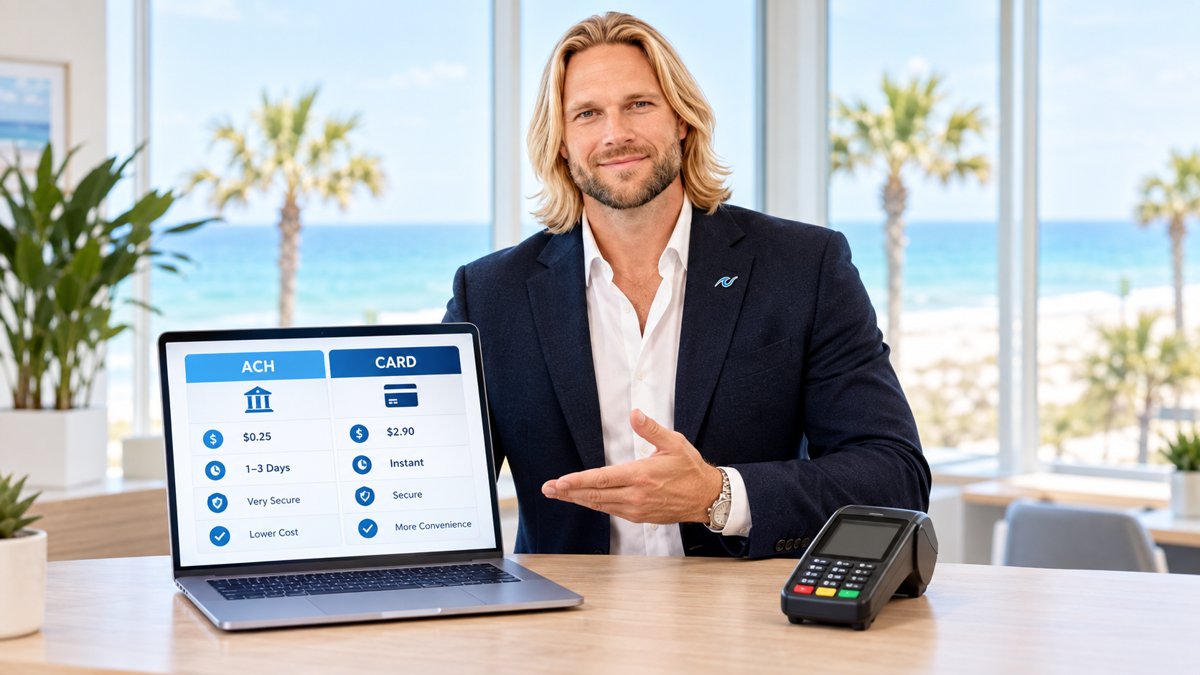
When you start a business, one of the first questions you have to answer is: "How do I get paid?" The answer lies in your commercial payment system. This isn't just a single machine or a bank account; it is a network of software, hardware, and financial institutions that work together to move money from a buyer to a seller.
For a deeper dive into the technical architecture, you can read our full guide to commercial payment systems. In this article, we will break down the basics so you can decide which setup fits your specific business needs.
The Three Pillars of a Commercial Payment System
Most business owners interact with three main parts of a payment system every day. If any one of these parts is missing or broken, your ability to collect revenue stops.
- The Hardware: This is the physical side of things. It includes card readers, mobile swipers, and Smart Terminals that sit on your counter.
- The Software (Payment Gateway): This is the digital "tunnel" that sends transaction data from your terminal to the bank. It makes sure the information is encrypted and safe.
- The Processor: This is the service provider (like PayWavez) that communicates with the banks and credit card networks to authorize the sale and deposit the funds into your account.
Key Takeaway: A commercial payment system is only as strong as its weakest link. Using outdated hardware or a slow gateway can lead to lost sales and frustrated customers.
B2B vs. B2C Payment Systems
Commercial payment systems are often categorized by who is buying the product. The needs of a retail shop (Business-to-Consumer or B2C) are very different from a wholesaler (Business-to-Business or B2B).
Consumer Payments (B2C)
In a B2C setting, speed is everything. Customers want to tap their phone, swipe their card, or click "buy now" online. These systems focus on high-volume, low-dollar transactions. Security is a major focus here to prevent credit card fraud.
Business Payments (B2B)
B2B transactions are often much larger. Because of this, B2B commercial payment systems often rely on ACH (automated clearing house) transfers or wire transfers to avoid the high percentage fees associated with credit cards. They also require more detailed invoicing and "Level 2" or "Level 3" data to help the buying company track their spending.
"The goal of any commercial payment system should be to remove friction. If it is hard for your customer to pay you, they eventually won't."

Common Types of Payment Methods
To choose the right system, you need to know which methods your customers prefer. Here is a quick comparison of the most common options in the United States:
| Method | Typical Speed | Best For |
|---|---|---|
| Credit/Debit Cards | Instant Authorization | Retail, Restaurants, Small Services |
| ACH Transfers | 1-3 Days | Rent, Wholesale, Recurring Bills |
| Digital Wallets | Instant | Mobile-first customers (Apple/Google Pay) |
Choosing the Right System for Your Location
Where you do business matters. For example, a business looking for credit card processing in Pensacola might need a system that handles heavy seasonal tourism, while a service business in a rural area might prioritize a system that works over a cellular connection rather than high-speed fiber internet.
If you are unsure where to start, you can view a live demo of how modern systems integrate with your daily workflow. This helps you see the software in action before you sign a contract.
Summary
A commercial payment system is the engine of your business's cash flow. By understanding how the hardware, software, and processor work together, you can avoid hidden fees and provide a better experience for your customers. For a more technical look at these components, refer back to our detailed guide to commercial payment systems to ensure your business is fully optimized.
Ready to see your own numbers?
Run your real card volume through the calculator or apply in about two minutes.