
Merchant Guides
What is the Best Online Payment System for a Small Business?
Finding the right way to accept credit cards online shouldn't be a guessing game. We break down the costs, the technology, and the hidden fees you need to watch out for.
Deciding what is the best online payment system for a small business depends on your specific needs, your monthly sales volume, and whether you sell in person as well as online. For many new owners, the first thought is to sign up with a big-name aggregator like Square or Stripe because they are easy to set up. However, as your business grows, those flat-rate fees can start to eat a massive hole in your profit margins. To find the best fit, you have to look past the marketing and understand how the plumbing of the payment world actually works.
The Difference Between Payment Aggregators and Merchant Accounts
When you look for a payment system, you will find two main types of providers. The first is a payment aggregator. Companies like Square, Stripe, and PayPal are aggregators. They lump thousands of small businesses into one giant merchant account. This makes it very fast to sign up, but it comes with risks. Aggregators are known for freezing accounts or holding funds without warning if they see a sudden spike in your sales. They also usually charge a high flat rate, like 2.9% plus 30 cents per transaction.
The second option is a dedicated merchant account. This is what PayWavez provides. With a dedicated account, the processor looks at your specific business and approves you individually. This offers much higher stability. You are less likely to have your money held, and you can access better pricing models like interchange-plus. For a business doing more than $5,000 a month in sales, a dedicated merchant account is almost always the better financial move.
Key Fact: While aggregators offer quick setup, dedicated merchant accounts can save businesses up to 40% on total processing costs by using interchange-plus pricing instead of flat rates.
Understanding Processing Fees: Interchange-Plus vs. Flat Rate
Fees are the most confusing part of picking a payment system. Most people see a single number, like 2.6%, and think that is all they pay. In reality, every credit card has a different cost. A basic debit card costs the processor very little, while a premium rewards card or a corporate card costs much more. This underlying cost is called the "interchange rate," and it is set by Visa, Mastercard, and Discover.
In a flat-rate model, you pay the same price for every card. This means when a customer uses a low-cost debit card, the processor pockets the extra profit. In an interchange-plus model, you pay the exact cost of the card plus a small, transparent markup for the processor. This is widely considered the fairest way to pay for credit card processing because you benefit from lower-cost cards instead of the processor keeping the difference.
What is the best online payment system for a small business?
The answer to what is the best online payment system for a small business is a system that grows with you and offers multiple ways to get paid. You need a system that handles "Card Not Present" (CNP) transactions safely. These are sales where the customer types their info into a website or gives it to you over the phone. Because these sales have a higher risk of fraud, the fees are usually higher than when a customer dips their chip in person.
The best system will offer a secure virtual terminal. This allows you to take payments on your computer without needing a physical machine. It should also offer hosted payment pages or "Pay Now" links that you can text or email to customers. If you want to see how this looks in action, you can check out our live demo to see how modern payment tools simplify the checkout process for your customers.
"Choosing a payment processor based only on the signup speed is like choosing a car based only on the color. You have to look under the hood at the fee structure to see if it will actually get you where you want to go."
Surcharging and Dual Pricing: The Secret to Zero-Fee Processing
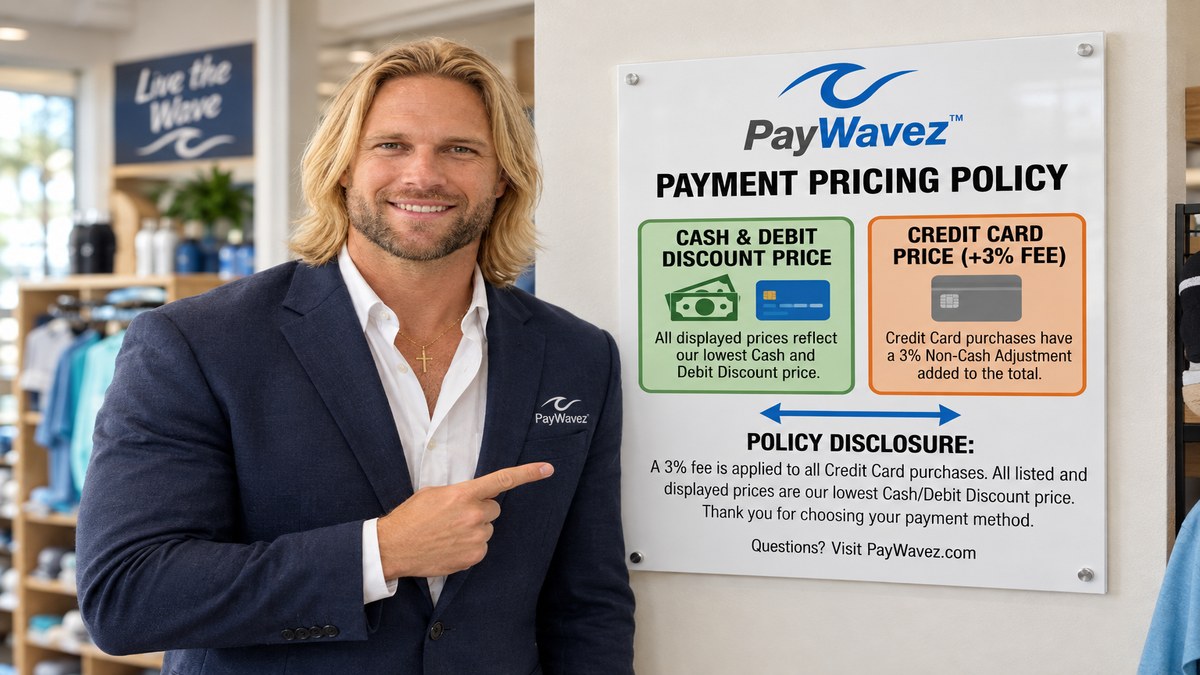
One of the biggest trends for small businesses in 2026 is passing the cost of credit card processing on to the customer. This is known as surcharging or dual pricing. In the past, only big gas stations did this, but now it is common in everything from auto shops to coffee houses. With a dual pricing program, you display two prices: a cash price and a card price. The card price includes the processing fee.
This allows the business owner to keep 100% of the sale price. For example, if you sell a service for $100, you actually get $100 in your bank account, rather than $97 after fees. There are specific rules you must follow, such as having the right signage and notifying the card brands. We help businesses navigate these rules every day, especially in places like the Alabama payment processing market where these programs are becoming the standard for local shops.
Integrating Online Payments with Physical Terminals and POS
Most small businesses don't just sell online; they have a physical location too. The best online payment system is one that talks to your physical hardware. If you use one system for your website and a different one for your countertop terminal, your bookkeeping will be a nightmare. You want a unified system where all your sales show up in one dashboard.
Modern Point of Sale (POS) systems like Clover or specialized smart terminals allow you to track inventory, manage employees, and accept payments in one place. Whether you are looking for Destin credit card processing for a beachside rental or a retail shop in a busy mall, having a terminal that syncs with your online store is vital. This ensures your stock levels stay accurate and your daily deposits are easy to reconcile.
Dealing with Chargebacks and Online Fraud
When you sell online, you have to worry about chargebacks. A chargeback happens when a customer disputes a charge with their bank. Sometimes this is for a legitimate reason, like a broken product, but often it is "friendly fraud" where the customer just wants their money back. The best payment systems provide tools to help you fight these disputes.
Look for a processor that offers Address Verification Service (AVS) and CVV checks. These tools verify that the person using the card actually knows the billing address and has the physical card in their hand. If a chargeback does happen, your processor should provide a clear portal where you can upload receipts and proof of delivery to win the case. Aggregators often side with the consumer automatically, while a dedicated merchant account provider will help you defend your revenue.
How to Switch Payment Processors Without a Headache
Many business owners stay with a bad processor because they are afraid that switching will be too hard. They worry about their site going down or their terminals stopping work. In reality, a good provider will walk you through the switch step-by-step. You can usually keep your existing website checkout and just swap out the API keys in the background.
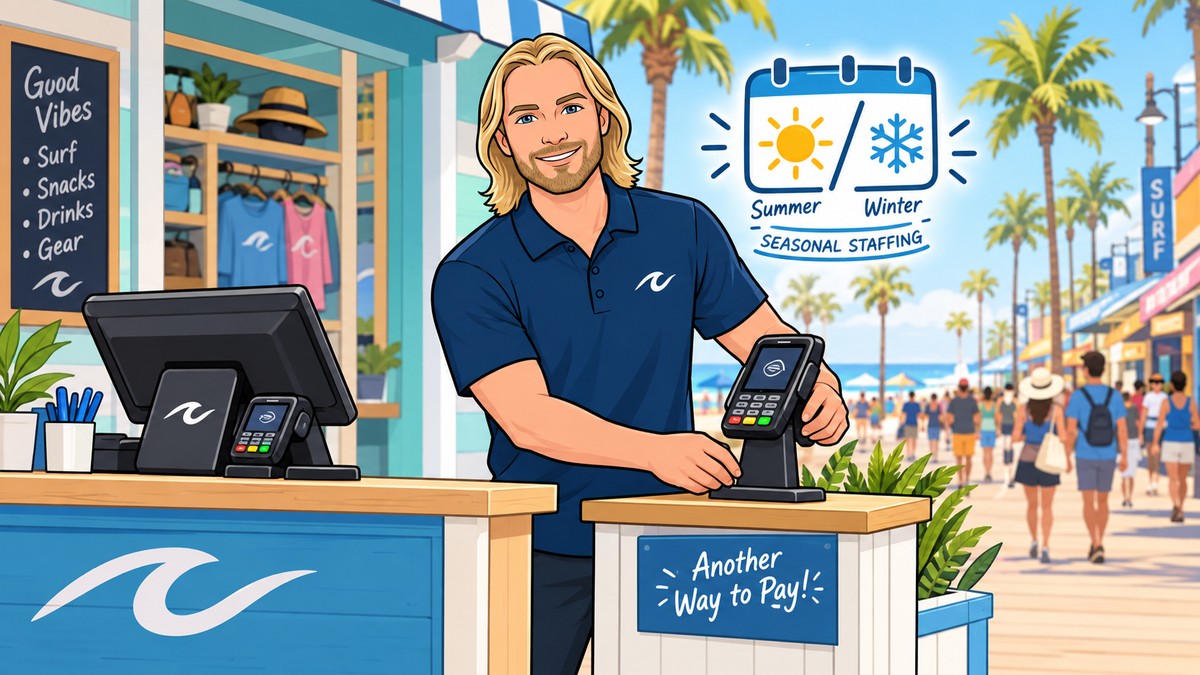
The best time to switch is before your busy season starts. This gives you time to train your staff on any new hardware and make sure your first few deposits hit your bank account on time. Most businesses find that the savings from switching to a more transparent rate pay for the transition costs within the first month. Don't let the fear of a little paperwork keep you stuck in a high-fee contract that hurts your bottom line.
Ready to see your own numbers?
Run your real card volume through the calculator or apply in about two minutes.