
Fees & Rates
Finding the Best Merchant Service for Your Business
The best merchant service isn't a single brand name; it is the provider that matches your specific sales volume and how you choose to take payments.
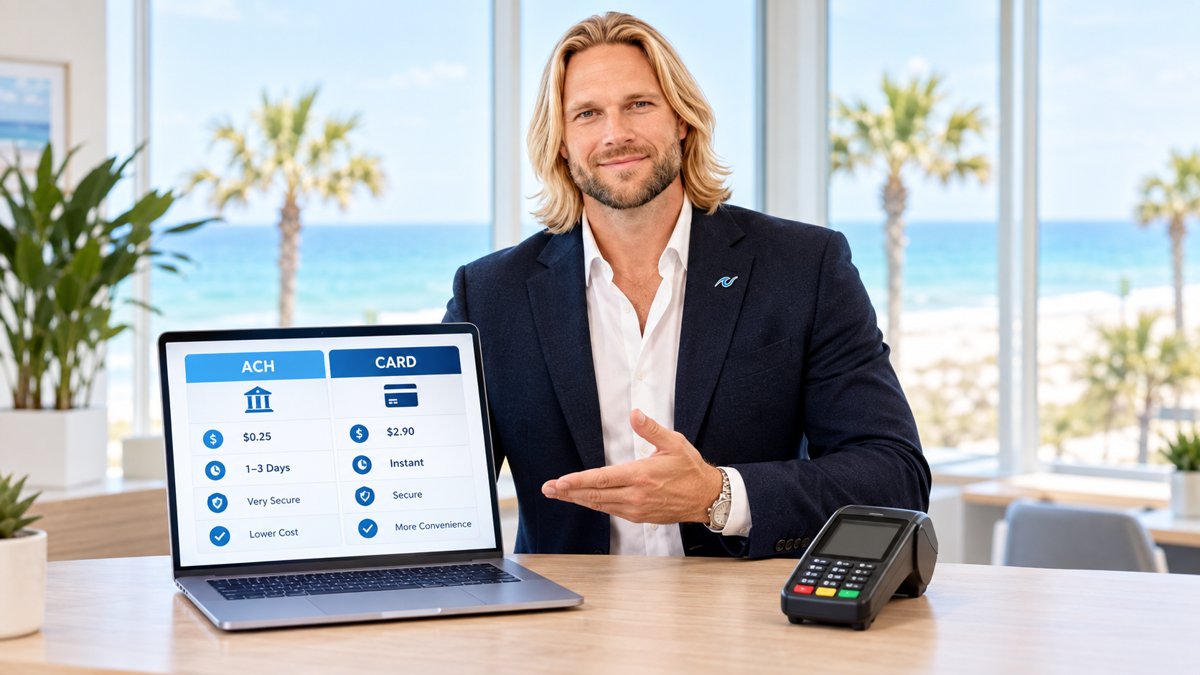
The best merchant service for your business depends on one main thing: how much you sell every month. If you are just starting out and process less than $5,000, a flat-rate provider like Square or Stripe is often the easiest choice. However, once your business grows, those flat rates start to eat into your profits. For established businesses, an interchange-plus provider or a dual-pricing model usually offers the lowest total cost.
When searching for the best online merchant services for small business, you have to look past the marketing. Many companies promise "low rates" but hide the real costs in monthly subscriptions, PCI compliance fees, or hardware leases. To make an informed choice, you need to understand the three main ways processors charge you.
Comparing the Top Processing Models
Not all merchant services are built the same. Here is how the most common options stack up for different types of businesses:
- Flat-Rate Processing: Best for new businesses with low volume. You pay one fixed percentage (like 2.9% + $0.30) regardless of the card type. It is simple but expensive as you scale.
- Interchange-Plus: Best for growing businesses. You pay the actual cost from the card brand (Visa/Mastercard) plus a small, transparent markup. This is almost always cheaper than flat-rate for businesses doing over $10,000 a month.
- Dual Pricing / Surcharging: Best for businesses that want to eliminate processing fees entirely. This model allows you to offer a cash price and a card price, passing the cost of the transaction to the consumer.
Key Takeaway: Businesses processing over $15,000 per month can often save between 20% and 40% on fees by switching from a flat-rate provider to an interchange-plus or dual-pricing model.

What to Look for in a Provider
Before you sign a contract, check for these four critical factors. If a provider cannot give you a straight answer on these, it is a red flag.
1. Contract Length and Fees
Avoid long-term contracts that include "liquidated damages" or early termination fees. The best merchant services earn your business every month and do not need to lock you into a three-year deal. Also, watch out for "annual fees" or "statement fees" that add no value to your service.
2. Hardware and Software Integration
If you take payments online, you need a reliable gateway. For businesses that take orders over the phone or through a website, the PayWavez Virtual Terminal allows you to process payments securely from any computer without needing a physical card reader. Check if the provider integrates with your current accounting software to save you hours of manual data entry.
3. Deposit Speed
Cash flow is the lifeblood of a small business. Most modern processors offer next-day funding, but some still hold your money for 2-3 business days. Make sure your provider settles your batches quickly so you have access to your funds when you need them.
"The true cost of a merchant service isn't the percentage on the front of the flyer; it's the total amount deducted from your bank account at the end of the month divided by your total sales."
How to Test a Potential Partner
The best way to see if a processor is right for you is to see their system in action. You can view a live demo of how modern payment tools work to ensure the interface is easy for your staff to use. If you are located in the Southeast, you might also look for a provider with a local presence, such as those listed on our Alabama payment processing hub, to ensure you can get a human on the phone when you have a question.
In conclusion, finding the best online merchant service requires looking at your specific numbers. If you are tired of confusing statements, it might be time to ask for a transparent breakdown of what you are actually paying.
Ready to see your own numbers?
Run your real card volume through the calculator or apply in about two minutes.