
Merchant Accounts
The Best Merchant Account for Small Business in 2026
Choosing the right payment processor can save your business thousands of dollars in hidden fees while making it easier for your customers to pay.
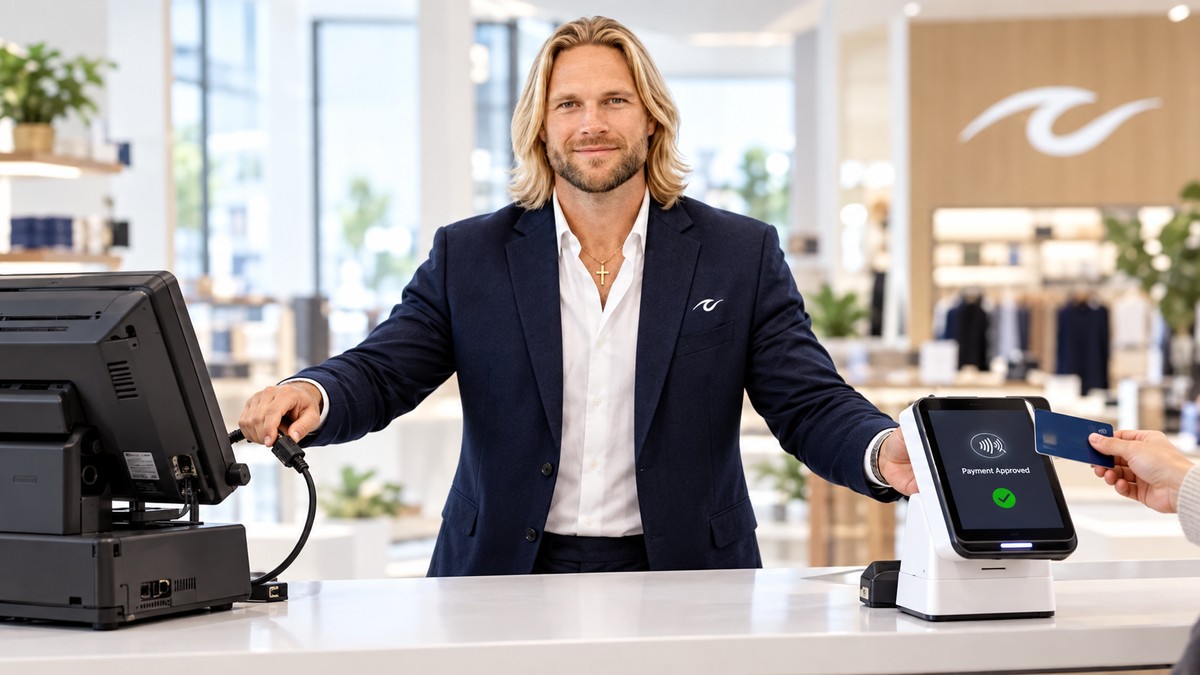
Finding the best merchant account for small business is one of the most important steps to protecting your profits and ensuring your operations run smoothly. For many business owners, the world of credit card processing feels like a maze of hidden fees, complex contracts, and confusing terminology. However, when you strip away the jargon, a merchant account is simply a specialized bank account that allows your business to accept credit and debit card payments. Without one, you are limited to cash and checks, which can significantly stunt your growth in a world where most customers prefer to tap, dip, or swipe.
Understanding the Merchant Account Landscape
Before you can pick the right provider, you need to understand what you are actually buying. A merchant account is not just a piece of hardware like a credit card terminal; it is a service agreement between your business and a merchant service provider (MSP) or an acquirer. This provider handles the communication between your business, the card networks like Visa and Mastercard, and the customer’s bank. When a customer pays you, the MSP ensures the funds are verified and eventually deposited into your business bank account.
Many new business owners start with payment aggregators like Square or PayPal because they are easy to set up. While these are convenient, they are often not the best merchant account for small business once you start processing more than a few thousand dollars a month. Dedicated merchant accounts offer more stability, lower rates for high-volume sellers, and better customer support. If you are serious about growing your business, moving to a dedicated account is a natural and necessary step.
How to Choose the Best Merchant Account for Small Business
When searching for the best merchant account for small business, you should look beyond the hardware. Most processors can give you a fancy terminal, but not all of them offer transparent pricing. You want a partner that provides Interchange-Plus pricing. This is the gold standard of the industry. It means the processor charges you the exact cost set by the card networks (interchange) plus a small, fixed markup. This prevents the processor from hiding extra profit inside "tiered" or "flat-rate" plans that often overcharge you for simple transactions.
Another factor to consider is the type of equipment offered. If you run a retail shop in a busy area like Destin, you need a terminal that is fast and reliable. If you are a mobile service provider, you might need a handheld device that works over cellular data. The best providers offer a range of options, from simple plug-and-play terminals to full point-of-sale (POS) systems that help you track inventory and manage employees. You can see how these systems work in real-time by checking out a live demo of modern payment technology.
According to industry data, small businesses that switch from flat-rate pricing to Interchange-Plus models save an average of 18% to 24% on their monthly processing statements.
The Reality of Processing Fees and Hidden Costs
Fees are the biggest headache for any merchant. When you sign up for an account, you will encounter several types of costs. The first is the transaction fee, which is usually a percentage of the sale plus a few cents. Then there are monthly maintenance fees, PCI compliance fees, and sometimes statement fees. The best merchant account for small business will be upfront about every single one of these. If a salesperson tells you there are "no fees," they are likely hiding them in a higher percentage rate.
Watch out for "junk fees" like annual fees or early termination fees. A reputable processor should earn your business every month, not lock you into a three-year contract with a massive penalty for leaving. At PayWavez, we believe in transparency. We know that businesses in the Alabama Gulf Coast region and beyond work hard for their money, and they shouldn't lose it to fine-print charges that don't add value to their business.
"The right processor isn't the one with the lowest teaser rate; it's the one with the most transparent statement and the support to back it up."

Surcharging and Dual Pricing: The Game Changers
In recent years, many business owners have turned to surcharging or dual pricing to eliminate their processing costs entirely. This is a strategy where the cost of the credit card transaction is passed on to the customer who chooses to use a card, while those who pay with cash receive a lower price. This can effectively bring your processing fees down to zero.
However, you must follow strict rules to do this legally. You cannot surcharge on debit cards, and you must display clear signage at the entrance and the point of sale. The best merchant account for small business will provide you with a system that automates this process. Their software should automatically detect if a card is a credit or debit card and apply the correct pricing. This removes the risk of human error and keeps your business compliant with state laws and card brand rules.
Dealing with Chargebacks and Disputes
A chargeback occurs when a customer disputes a charge with their bank instead of asking you for a refund. This can happen because of fraud, or simply because a customer didn't recognize the name on their bank statement. Chargebacks are more than just a lost sale; they often come with a hefty fee from the processor. The best merchant account for small business includes tools to help you fight these disputes. Look for a provider that offers real-time alerts and a dashboard where you can easily upload evidence like receipts or signed contracts to prove the transaction was legitimate.
Hardware and POS Integration
Your merchant account is only as good as the hardware it connects to. Modern terminals do more than just process cards; they can handle contactless payments like Apple Pay and Google Pay, which are becoming the standard for younger consumers. If you have a physical location, a smart terminal like a Clover or a proprietary PayWavez device can help you manage your entire business from a single screen. These devices are encrypted and PCI-compliant, ensuring that your customers' sensitive data is never stored on your local network where it could be stolen by hackers.
Ready to see your own numbers?
Run your real card volume through the calculator or apply in about two minutes.