
Startup Growth
How to Choose the Best Contractor Payment Platform for Your Startup
The best payment platform for a startup contractor is one that balances low monthly overhead with the professional features needed to win bigger jobs. For most new businesses, this means prioritizing fast funding and the ability to accept payments anywhere.
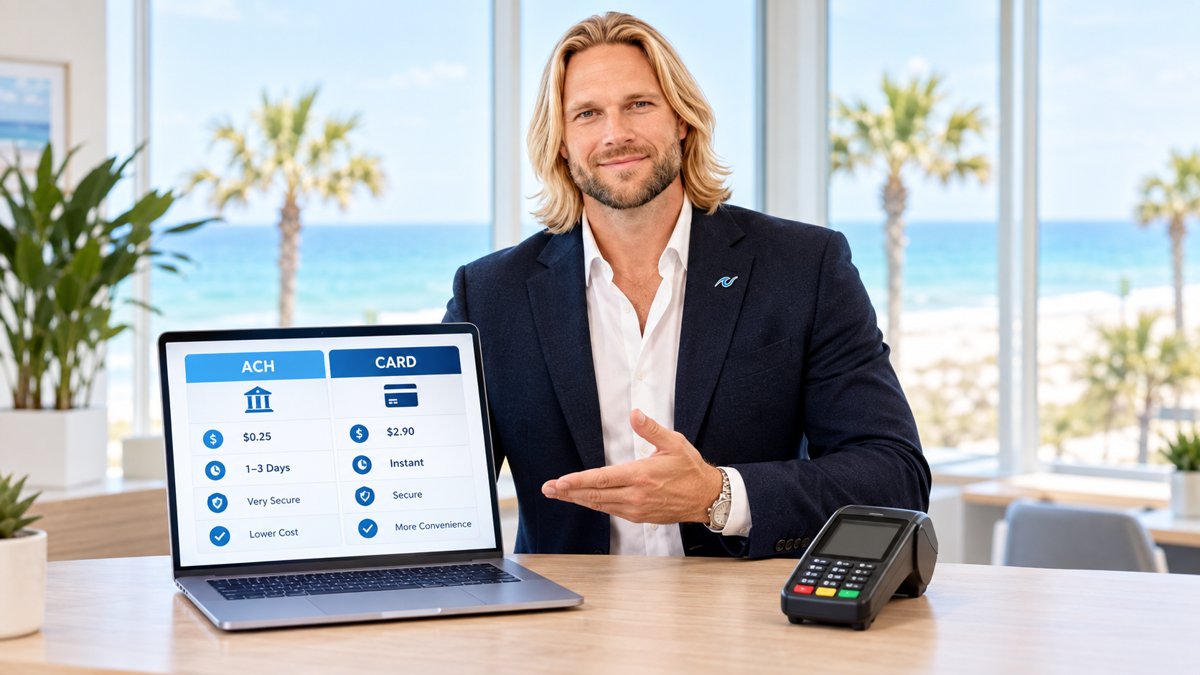
When you are just starting a contracting business, every dollar of profit matters. Choosing the wrong payment processor can lead to high fees that eat your margins and slow down your cash flow. You need a system that makes it easy for customers to pay you while keeping your own costs as low as possible.
Before you sign up for the first big-name app you see, it is helpful to look at the best payment processing options for contractors to see how different models impact your bottom line. A startup has different needs than an established firm with twenty crews, and your choice should reflect that.
What Startups Need in a Payment Platform
Most startups fall into the trap of choosing a platform based on brand recognition. While those tools are easy to set up, they often charge high flat rates that become expensive as your volume grows. Here is what you should actually look for:
- No Monthly Fees: When you are just starting, you may have slow weeks. You don't want a platform that charges you $50 a month even when you aren't running cards.
- Next-Day Funding: Startups need cash to buy materials for the next job. Waiting 3 to 5 days for your money to clear is not an option.
- Professional Invoicing: Sending a text with a total isn't enough. You need professional digital invoices that allow customers to pay via credit card or ACH immediately.
- Mobile Flexibility: You need to be able to take a deposit at the kitchen table or a final payment in the driveway.
According to research on small business failures, roughly 82% of businesses that close do so because of cash flow mismanagement. Choosing a payment platform with fast funding is a defensive move for your startup's survival.
The Difference Between Aggregators and Merchant Accounts
Startups usually start with "aggregators" like Square or PayPal. These are great because you can sign up in five minutes. However, they are known for freezing accounts if you suddenly process a large deposit—which happens often in contracting.
A dedicated merchant account, like what we provide at PayWavez, gives you more stability. You get your own account ID, which means less risk of your funds being held. As your startup grows, a merchant account also allows you to use strategies like dual pricing to offset your costs entirely.
For a startup, a 3% processing fee isn't just a cost—it's money that could have gone toward your marketing budget or new tools.

Must-Have Tools for the Jobsite
For a startup contractor, you don't always need a bulky cash register. You need tools that fit in your pocket or work on your laptop. A Virtual Terminal is one of the most useful tools for a new business owner. It allows you to take credit card information over the phone to secure a deposit before you even load the truck.
If you are working locally, you might also want to check out the Alabama payment processing hub to see how regional businesses handle their transactions. Having a local partner can often lead to better support than a giant tech company located halfway across the country.
A Startup Comparison Table
| Feature | Big Tech Apps | Dedicated Merchant Account |
|---|---|---|
| Setup Speed | Instant | 1-2 Days |
| Fee Structure | High Flat Rate | Lower, Scalable Rates |
| Customer Support | Email/Chat Only | Dedicated Representative |
| Account Stability | Lower (Risk of Freezes) | High (Underwritten for You) |
How to Save on Fees from Day One
The biggest mistake startups make is accepting credit card fees as an unchangeable cost of doing business. You can actually use a "Dual Pricing" model. This is where you offer a cash price and a card price. The customer chooses how they want to pay, and if they use a card, the processing fee is covered by them, not you. This can save a startup thousands of dollars in its first year.
If you want to see how this works in real-time, you can view a live demo of how modern terminals handle these transactions. It is much simpler than it sounds and is becoming the standard for service businesses.
In summary, the best contractor payment platform for startups is one that grows with you. Don't get stuck in a high-fee ecosystem just because it was the easiest one to download. By choosing a partner that offers professional tools like a virtual terminal and transparent pricing, you set your business up for long-term success. For more details on specific features, read our guide on the best payment processing for contractors.
Ready to see your own numbers?
Run your real card volume through the calculator or apply in about two minutes.