
Fees & Rates
Why Did My Credit Card Processing Fees Go Up? 7 Real Reasons
You didn't change anything about your business, but this month's processing statement is higher than last month's. That happens for real, specific reasons -- some are out of anyone's control, and some are exactly the kind of quiet rate creep a processor hopes you won't notice.

The reasons that are actually out of your processor's control
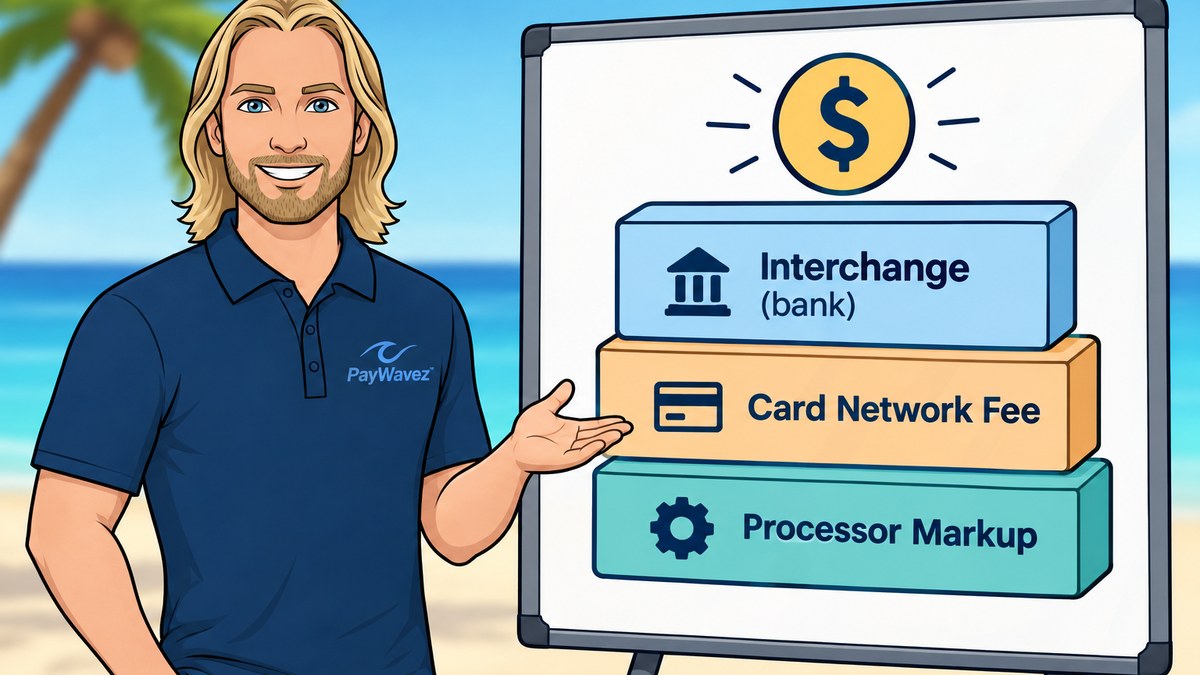
Card networks update interchange rates -- the base wholesale cost baked into every transaction -- typically twice a year, in April and October. If your bill went up right after one of those windows, that's a real network-wide change, not something your specific processor did to you. Your card mix matters too: if more customers started paying with premium rewards or corporate cards this month, your blended cost goes up because those cards carry higher interchange than a basic debit card.
The reasons worth actually questioning
Not every increase is a network pass-through. These are the ones worth calling your processor about:
- Quiet markup increases. Some processors raise their own margin on top of interchange and count on you not comparing statements month to month.
- New or increased monthly/annual fees. PCI compliance fees, statement fees, and "regulatory" fees are common places for a processor to add a line item without a clear explanation.
- Batch or downgrade issues. If you're settling batches late, or a transaction is missing information it needs (like address verification on a card-not-present sale), it can downgrade to a higher-cost tier automatically.
- A pricing model that wasn't built for your business. A flat-rate plan that made sense at low volume can quietly become expensive once your volume grows.
What to actually do about it
Pull two statements -- the one before the increase and the current one -- and compare line by line, not just the bottom-line total. If you can identify a new fee or a markup change your processor added on their end, that's worth a direct conversation. If it's a network-wide interchange update, no processor can waive that, but you can still ask whether your current pricing model and rate structure are the best fit for how you actually process today.
Ready to see your own numbers?
Run your real card volume through the calculator or apply in about two minutes.