Dejavoo vs Square | Complete Payment System for Your Business Growth
Written by: Zac Rogers
Considering Dejavoo vs Square for credit-card processing? We compare fees, devices, software features and support. Get the facts before picking your payment platform.
Choosing the right payment processing system is one of the most important decisions a business will make. A reliable system affects how smoothly you can accept payments, track sales, manage inventory, and ultimately serve customers. Two popular names in the payment solutions industry are Dejavoo and Square. While both provide efficient ways to accept card payments, they differ in hardware style, software flexibility, pricing, and ideal business use-cases.
In this article, we break down Dejavoo vs Square to help you determine which platform is best suited for your business needs.
What is Square?
Square is best known for its small, portable, square-shaped card reader that connects to a smartphone or tablet. It is designed to make payment acceptance fast and affordable for small businesses, independent contractors, and startups. Over time, Square has expanded into a complete business ecosystem, offering:
- Point-of-sale (POS) software
- E-commerce and online checkout links
- Mobile payment acceptance
- Invoice and subscription billing
- Marketing and customer loyalty tools
- Financial services like payroll and business loans
With its free POS app and no monthly subscription required, Square is especially friendly for new businesses getting started with minimal upfront cost.
However, Square relies heavily on its software ecosystem. Its hardware is simple and easy to use, but customization and integration with third-party systems can be limited.
What is Dejavoo?
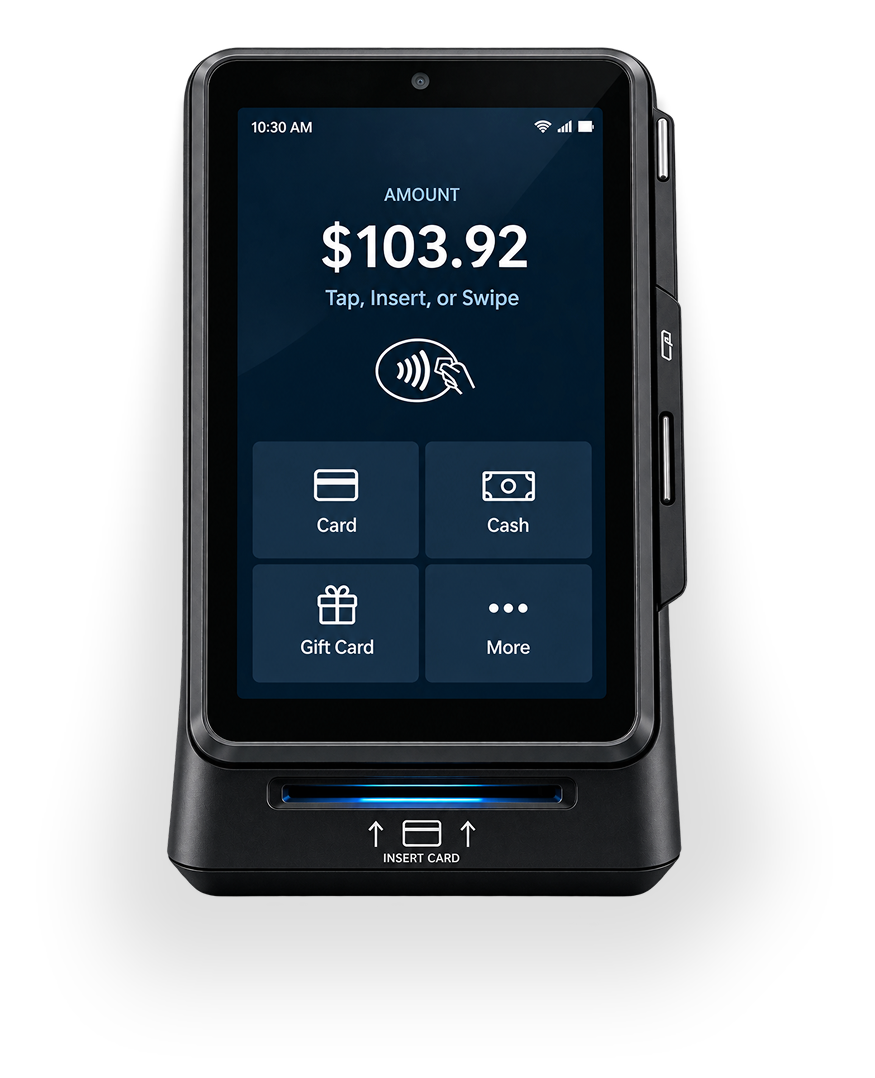
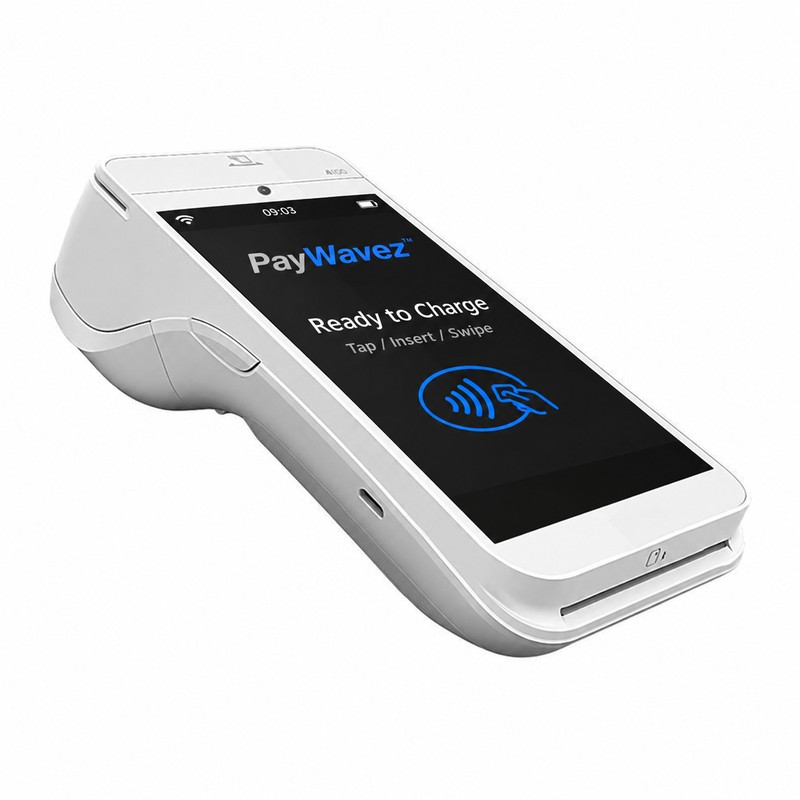
Dejavoo specializes in durable, secure, and customizable payment terminals designed for retail stores, restaurants, and service businesses. Dejavoo terminals run on Linux or Android-based operating systems and are known for their:
- Multi-app flexibility
- Strong data security
- Integration with custom POS software
- Advanced connectivity (Wi-Fi, Ethernet, 4G wireless)
Popular Dejavoo models include:
| Terminal Model | Best For | Key Features |
| Z8 | Countertop retail & service businesses | Dual/tri-communication options, EMV, NFC, loyalty integrations |
| Z9 | Mobile businesses & pay-at-table | 3G/4G & Wi-Fi, lightweight, digital signature capture |
| Z11 | Higher-volume retail/restaurants | Large touch screen, tri-comm, digital signatures |
| QD Series | Advanced POS environments | Android OS, larger color screens, optional biometrics & scanners |
Dejavoo integrates smoothly with merchant service providers — which means businesses can shop for lower processing rates rather than being locked into a fixed pricing structure.
Dejavoo vs Square: Key Feature Comparison
-
Ease of Setup
| Feature | Square | Dejavoo |
| Setup Difficulty | Very easy, app-based onboarding | Requires setup with a merchant processor |
| First Reader / Device | Free card reader included | Terminals must be purchased |
| Best For | Startups & new businesses | Established small-to-mid-sized businesses |
Square wins when it comes to fast setup. You can download the app and begin accepting payments almost immediately.
Dejavoo requires coordination with a payment processor, though setup is generally straightforward with support.
2. Hardware
| Feature | Square Hardware | Dejavoo Hardware |
| Build Quality | Simple and portable | Durable and built for high-traffic usage |
| Connectivity | Bluetooth, Wi-Fi | Wi-Fi, Ethernet, 4G wireless, Bluetooth |
| Signature Capture | On select devices | Available on several models |
| Printing | External or integrated depending on device | Built-in thermal printers on most models |
Square’s hardware is sleek, modern, and ideal for pop-ups, craft fairs, delivery drivers, and mobile service providers.
Dejavoo’s hardware is robust, perfect for restaurants, retail stores, and any business needing reliable physical terminals and receipt printing.
3. Software & Ecosystem
| Category | Square | Dejavoo |
| POS Software | Feature-rich with addons (marketing, inventory, payroll) | Basic POS functions, relies on integration with third-party POS |
| Customizability | Limited | Highly customizable with third-party systems |
| Omnichannel Sales | Strong (in-store + online + invoicing) | Depends on POS integration |
If you want a full business management platform, Square has the advantage.
If you already use or want to choose your own POS software, Dejavoo provides flexibility.
4. Payment Processing Fees
| Factor | Square | Dejavoo |
| Monthly Fees | $0 (unless using add-ons) | Depends on merchant service provider |
| In-Person Processing | 2.6% + 10¢ per transaction | Variable (can be lower with negotiation) |
| Keyed/Online | 2.9% – 3.5% + fees | Variable |
| Chargeback Fees | Waived up to $250/month | Set by merchant processor |
Because Square uses flat-rate pricing, it’s predictable — but not always the cheapest.
Dejavoo gives businesses the opportunity to negotiate lower rates, which can make a big cost difference for restaurants and retailers with large monthly transaction volume.
5. Ideal Business Type
| Business Type | Best Option | Why |
| New businesses with low upfront budget | Square | Free POS + simple setup |
| Mobile businesses needing wireless reliability | Dejavoo Z9 or QD2 | Multiple wireless options, longer battery life |
| Restaurants & retail stores with steady foot traffic | Dejavoo Z11 or QD Series | Durable terminals + customizable POS integration |
| Online-first businesses | Square | Built-in ecommerce and payment links |
| High-volume businesses seeking lower processing rates | Dejavoo | Ability to negotiate merchant rates |
Pros & Cons Summary
Square Pros
- Free POS app
- Easy-to-learn interface
- Free card reader for new accounts
- Strong online sales tools
Square Cons
- Flat pricing can become expensive at high volume
- Limited customization
- Hardware depends heavily on app support
Dejavoo Pros
- Durable, secure terminal solutions
- Works with many POS systems
- Can negotiate processing rates
- Supports advanced connectivity and mobility
Dejavoo Cons
- Requires upfront hardware purchase
- Setup requires a merchant account provider
- Less built-in business software than Square
Final Verdict: Which Should You Choose?
| Choose Square If… | Choose Dejavoo If… |
| You need to get started quickly with low cost | You want control over your payment processor & fees |
| You run a pop-up shop, salon booth, food truck, or online business | You operate a retail store, restaurant, or service location with steady traffic |
| You prefer an all-in-one business software ecosystem | You need durable terminals with more customization and hardware flexibility |
In short:
- Square is best for startups, small operations, and mobile sellers needing simplicity and convenience.
- Dejavoo is best for growing and established businesses that value durability, customization, and lower processing fees over time.
Winning with PayWavez
Our Blog
Instant Merchant Approval Explained, How PayWavez Issues an MID in 2 Minutes While Stripe Can Take Days
Written by: Zac Rogers Instant merchant approval in 2 minutes with PayWavez and receive your MID instantly, while Stripe can delay or freeze funds. Learn why fast onboarding matters for big E-commerce brands.In high-volume E-commerce, time is not just money, it is...
The Future of U.S. Business Payments: How PayWavez Redefines Secure Dual Payment Processing
Written by: Zac Rogers Upgrade your business payment system to a secure, cloud-based platform that helps U.S. businesses save time and money with PayWavez.The Changing Face of American Business The American business landscape is evolving faster than ever before. From...
Dejavoo P3 vs P5: Choosing the Right Android Payment Terminal
Written by: Zac Rogers Looking for the right Dejavoo terminal? Explore our Dejavoo P3 vs P5 comparison to choose the faster, smarter POS for your business in 2025.In today’s fast-paced retail environment, payment technology is more than just a tool — it’s the engine...