
Merchant Pricing Models
What Is a Dual Offer? Understanding Cash and Card Pricing for Merchants
If you have heard the term 'dual offer' in the world of credit cards, it usually refers to a pricing strategy where a business presents two different prices to a customer: one for cash and one for card payments.
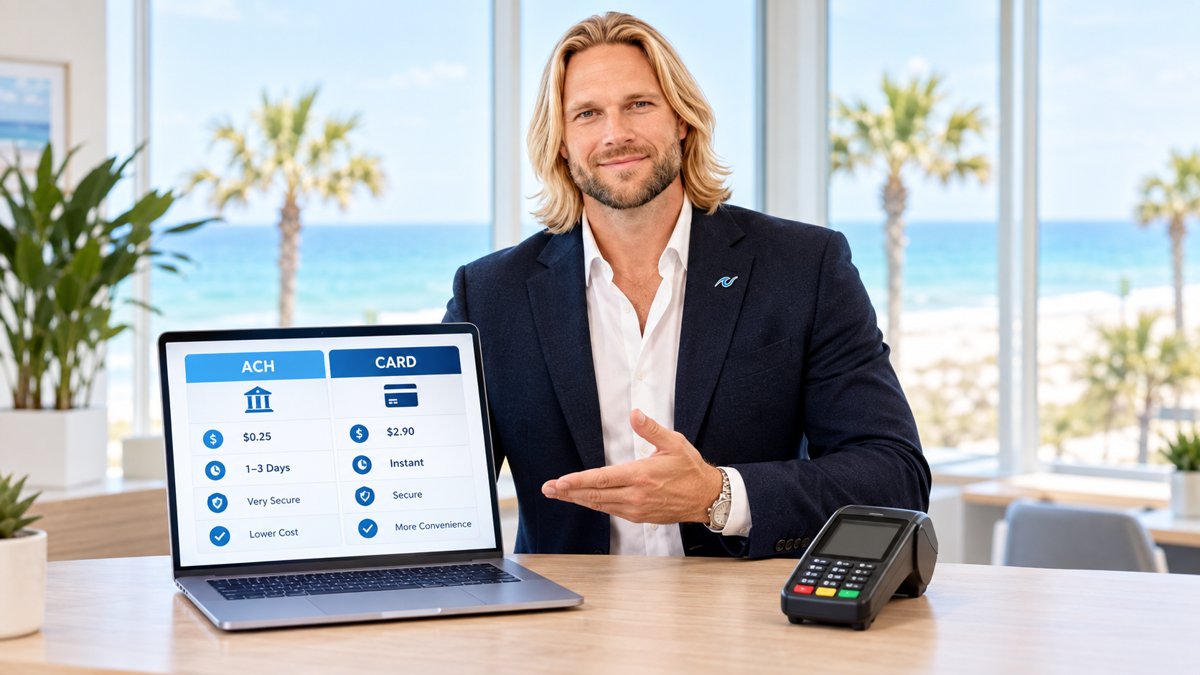
When a business owner asks, "What is a dual offer credit card program?" they are usually looking for a way to manage rising merchant fees. In the payment processing industry, this is more commonly known as Dual Pricing. It is a transparent way to show customers exactly what a product costs based on how they choose to pay.
The Basics of the Dual Offer Model
In a standard retail environment, you see one price on a tag. That price has to cover the cost of the goods, your rent, your staff, and the 3% to 4% fee that credit card companies take from every swipe. With a dual offer or dual pricing model, you separate those costs. You display two clear prices for every item: a 'Card Price' and a 'Cash Price.'
This isn't a surprise fee added at the end of a transaction. Instead, it is an honest look at the cost of doing business. The cash price represents a discount for the customer, while the card price covers the processing costs associated with credit and debit networks.
How Dual Pricing Works at the Register
Implementing a dual offer program requires the right technology. You cannot simply scribble two prices on a chalkboard and hope for the best; your Point of Sale (POS) system must handle the math automatically to stay compliant with card brand rules. Here is how the process typically looks:
- Clear Signage: You place signs at the entrance and the register explaining that the business offers two prices.
- Dual Price Tags: Every item or menu entry shows both the cash and card totals.
- Automated Calculation: When the cashier rings up an item, the PayWavez Dual Pricing software identifies the payment method and applies the correct price instantly.
- Transparent Receipts: The customer receives a receipt that clearly shows which price they paid and why.
Key Fact: Businesses that switch to a dual pricing model can reduce their credit card processing expenses by up to 100%, allowing them to keep more of every dollar they earn.

Dual Offer vs. Surcharging: What’s the Difference?
It is easy to confuse a dual offer program with surcharging, but they are legally distinct. A surcharge is an extra fee added only to credit card transactions (and is often prohibited on debit cards). A dual offer program, or dual pricing, simply presents two different price points. Because dual pricing offers a clear choice and includes debit cards in the "card price" category in a specific way, it is generally easier to implement across all 50 states without the same level of regulatory headache associated with traditional surcharging.
"Dual pricing is the most transparent way to handle processing fees. It gives the customer the power to choose their own price point while protecting the merchant's bottom line."
Is a Dual Offer Program Right for You?
This model works exceptionally well for businesses with tight margins, such as gas stations, restaurants, and service-based shops. If you are tired of watching thousands of dollars vanish into processing fees every month, a dual offer system might be the solution. However, it does require a shift in how you talk to customers. Transparency is the key to making this work without causing friction at the counter.
Ready to see your own numbers?
Run your real card volume through the calculator or apply in about two minutes.