
Personal & Business Finance
Can You Use One Credit Card to Pay Another Credit Card?
The short answer is no, you cannot directly pay your monthly credit card bill by swiping or entering another credit card's numbers on a payment portal. However, there are specific financial maneuvers like balance transfers that allow you to move debt from one card to another.
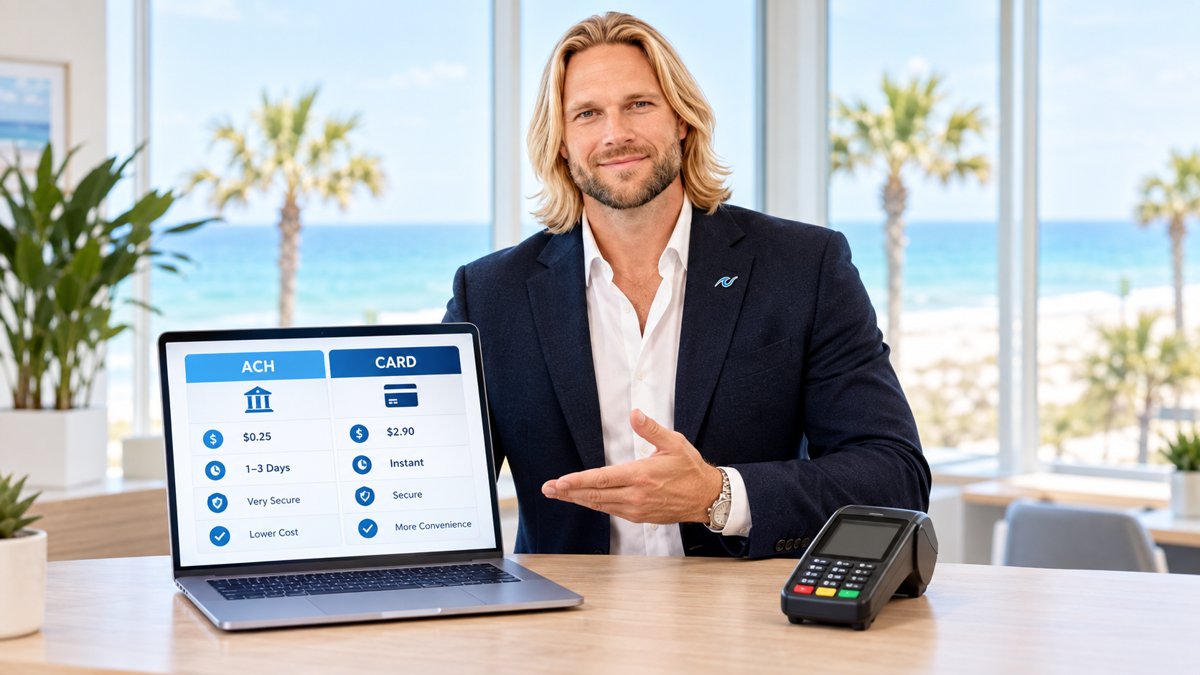
If you have ever sat down to pay your bills and wondered if you could just use Card A to pay off the balance on Card B, you are not alone. It seems like a simple way to manage cash flow. However, credit card issuers generally do not allow this for a very specific reason: transaction fees. If a bank allowed you to pay a $1,000 debt with another card, they would have to pay a processing fee (usually 2-3%) to the card network, losing money on the debt you already owe them.
The Two Main Ways to Move Debt Between Cards
While you can't make a standard "payment" using a card, you can move the balance. This is usually done through one of two methods, each with its own set of rules and costs.
1. Balance Transfers
This is the most common and professional way to handle this situation. A balance transfer is when you ask one credit card company to pay off the debt on another card and move that balance to their account. Many cards offer a 0% introductory APR (Annual Percentage Rate) for 12 to 18 months on these transfers.
2. Cash Advances
A cash advance involves taking physical cash out of an ATM using your credit card and then depositing that cash into your bank account to pay your other card's bill. This is almost always a bad idea. Cash advances usually have much higher interest rates than standard purchases, and the interest starts accruing the very second you take the money out.
Most credit card companies charge a balance transfer fee ranging from 3% to 5% of the total amount you are moving. For a $5,000 balance, that means paying $150 to $250 just to move the debt.
Comparison: Balance Transfer vs. Cash Advance
| Feature | Balance Transfer | Cash Advance |
|---|---|---|
| Typical Fee | 3% - 5% | 5% or more |
| Interest Rate | Often 0% (Intro period) | Very High (25%+) |
| Credit Impact | Moderate (Hard inquiry) | Low (Unless utilization spikes) |
| Ease of Use | Requires bank approval | Instant at ATM |
For business owners, managing these costs is a lot like managing the fees you pay to accept payments from customers. If you are curious about how these types of fees impact your bottom line, you can use a Processing Fee Calculator to see how small percentages add up over time.
Using one credit card to pay another isn't a simple transaction; it's a strategic move of debt that requires careful attention to fees and interest rates.
Why Merchants Don't Accept Credit Cards for Debt Payments
If you run a small business, you might have customers ask if they can pay their accounts receivable or credit lines with a card. Just like the big banks, you have to consider the cost. When a merchant in Gulf Shores or anywhere else accepts a credit card, they pay a fee. Accepting a card payment to settle a debt often wipes out the profit margin on that original sale.
Many businesses are now turning to Alabama payment processing solutions that offer dual pricing. This allows the business to offer a cash price and a card price, ensuring that the business doesn't lose money on processing fees when customers choose to pay with plastic. You can see how this looks in action by viewing our live demo.
When Should You Move a Balance?
Moving a balance makes sense if you are currently paying high interest (like 20% or more) and can move that debt to a card with 0% interest. This allows every dollar of your payment to go toward the principal balance rather than interest charges. However, if you cannot pay off the balance before the introductory period ends, you might end up right back where you started.
Ready to see your own numbers?
Run your real card volume through the calculator or apply in about two minutes.