
Business Finance
Which Insurers Are Honest About Your Down Payment?
When you cut a check for an insurance down payment, you expect that money to lower your total balance. However, many carriers hide 'policy fees' in that first payment that never actually touch your premium.
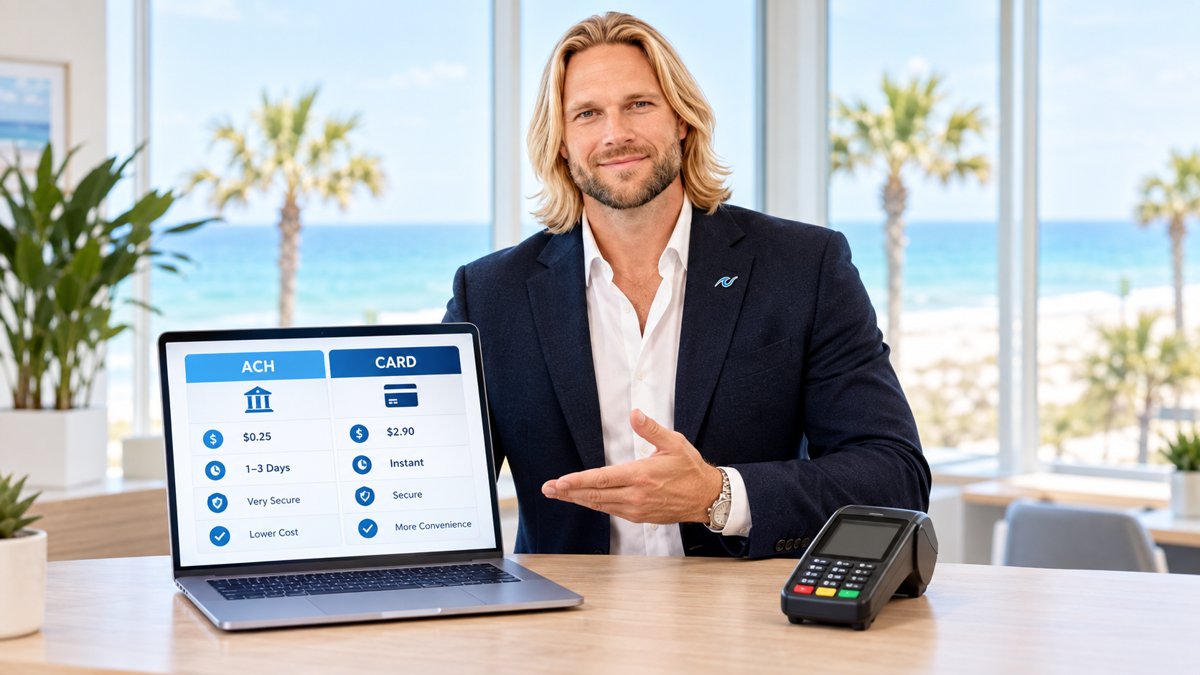
When you sign up for a new insurance policy, the down payment is often the biggest hurdle. Most business owners assume that if they pay $500 upfront, their total annual bill drops by exactly $500. Unfortunately, the insurance world doesn't always work that way. Some companies are very clear about where your money goes, while others use the down payment to hide administrative costs and broker commissions.
Before you commit to a plan, it is helpful to look at flexible insurance payment methods ranked to see how different billing structures affect your cash flow. Knowing the difference between a 'deposit' and a 'fee' can save you hundreds of dollars in the first month alone.
The Most Transparent Insurance Carriers
Transparency usually follows the business model. Direct-to-consumer insurance companies tend to be the most upfront about their costs. Because they don't use middleman brokers who need a cut of the first payment, more of your money goes toward the actual premium.
- Progressive & Geico: These companies typically show a clear breakdown of the 'Total Policy Premium' versus 'Fees.' When you make a down payment, they usually apply it directly to the first installment of the premium.
- State Farm & Allstate: Since these companies use captive agents (agents who only sell their brand), the fee structures are standardized. You will usually see a 'Policy Fee' listed clearly on the declarations page, separate from the premium.
- Mutual Companies (like Liberty Mutual or Nationwide): Because these companies are technically owned by policyholders, they often have fewer 'hidden' administrative fees compared to smaller, non-standard carriers.
Carriers That Often Obscure the Breakdown
Obscurity usually happens in the 'non-standard' or 'surplus lines' market. These are companies that take on higher-risk businesses or drivers. If you are working with an independent broker to find a specialized policy, you need to look closer at the paperwork.
Non-Standard Carriers (like The General or SafeAuto): These companies often require a down payment that feels affordable, but a large chunk of it is a 'non-refundable setup fee.' If you cancel the policy a month later, you won't get that money back because it wasn't technically part of the premium.
Surplus Lines Brokers: If your business requires specialized liability insurance, you might be dealing with a surplus lines carrier. These often include 'MGA Fees' (Managing General Agent fees) and 'Stamping Fees.' These are often bundled into your initial payment, making it look like you've paid off more of your insurance than you actually have.
"Always ask for a 'Premium vs. Fee' breakdown before you swipe your card. If the insurer won't show you how much of your deposit is non-refundable, they are likely hiding a high commission or administrative load."
How to Spot the 'Hidden' Portion
To find out what your down payment is actually covering, look for these three terms on your quote:
- Fully Earned Fees: This is money the insurance company keeps the moment you sign, regardless of whether you keep the policy.
- MGA/Broker Fees: This is a cut taken by the people who sold you the policy. It does not reduce your insurance balance.
- Endorsement Fees: Some companies charge you just to start the paperwork.
If you are a business owner collecting payments or managing high-volume billing, using a tool like the PayWavez Virtual Terminal can help you keep your own records organized so you can track exactly when and how your premiums are being paid. It allows you to take payments securely over the phone or online, ensuring you have a digital paper trail to compare against your insurance statements.
The Bottom Line on Premium Coverage
Transparency is about knowing your 'Effective Down Payment.' If you pay $1,000 and the company takes $200 in fees, your effective down payment is only $800. Over a 12-month policy, that $200 'disappearance' can mess up your monthly budgeting.
Always verify your billing schedule after the first month. If your remaining 11 payments are higher than you expected, it’s a sign that your down payment didn’t cover as much of the premium as you thought. For more tips on managing these costs, revisit our guide on flexible insurance payment methods ranked to ensure you are using the most cost-effective way to stay covered.
Ready to see your own numbers?
Run your real card volume through the calculator or apply in about two minutes.