
Merchant Accounts
High Risk Merchant Account Providers in USA: A Complete Guide
Finding a processor that understands your industry shouldn't be an uphill battle. We break down how to secure a high-risk account without the predatory fees.
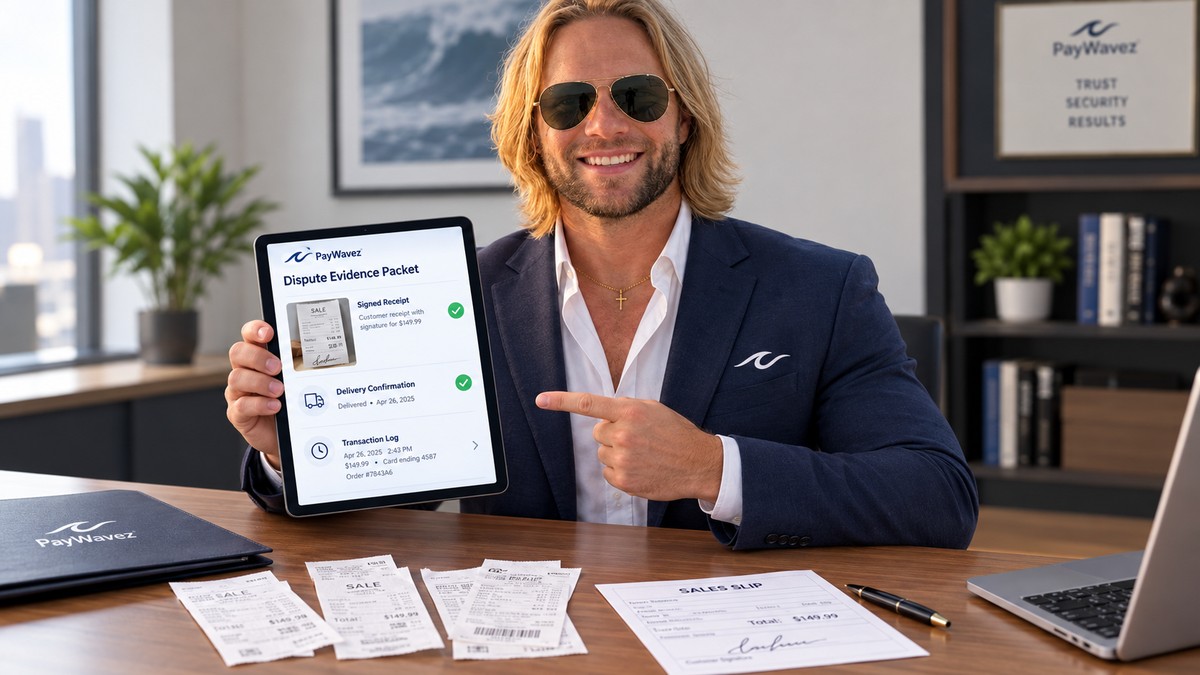
High risk merchant account providers in usa are specialized financial institutions that work with businesses traditionally avoided by big banks and standard payment processors. If you have ever been told that your business is "too risky" for a standard merchant account, you are not alone. Thousands of legitimate, profitable American businesses fall into the high-risk category every year. Whether it is due to the industry you are in, your personal credit history, or a high volume of chargebacks, getting a "no" from a bank like Chase or Wells Fargo does not mean your business cannot accept credit cards. It simply means you need a partner who specializes in high-risk underwriting.
What Makes a Business High Risk?
Before you start looking for high risk merchant account providers in usa, it is important to understand why the industry views certain businesses this way. Risk is not just about the chance of a business failing; it is about the financial liability the processor takes on. When a customer disputes a charge (a chargeback), the processor is ultimately responsible for returning that money if the merchant cannot. Therefore, processors look at several factors to determine your risk level.
First, there is industry risk. Certain sectors, such as CBD, online gaming, adult entertainment, and travel, are flagged because they historically have higher dispute rates or face complex legal regulations. Second, there is financial risk. If a business owner has a low personal credit score or if the business has a high ratio of returns to sales, they may be labeled high risk. Finally, there is the "Match List" or TMF (Terminated Merchant File). If a previous processor shut down your account for cause, you will likely need a high-risk specialist to get back on your feet.
What to Look for in High Risk Merchant Account Providers in USA
Not all high risk merchant account providers in usa are created equal. Because these merchants are often desperate for a solution, some providers take advantage of the situation by charging exorbitant fees or locking owners into unbreakable three-year contracts. When evaluating a provider, transparency is the most important factor. You should look for an "interchange-plus" pricing model rather than a tiered model, as this ensures you know exactly what the bank is taking versus what the card brands are charging.
You should also look for a provider that offers integrated tools to help you lower your risk over time. This includes chargeback mitigation software and secure payment gateways that use 3D Secure technology. A good provider will not just give you an account; they will help you manage your reputation so that you can eventually qualify for better rates. Whether you are searching for Alabama payment processing or help in a specific coastal town like Destin, local expertise can also help you navigate state-specific regulations for high-risk industries.
Standard merchant accounts typically require a chargeback ratio below 1%. High-risk providers can often accommodate businesses with ratios between 1% and 3%, provided there is a clear mitigation plan in place.
Understanding the Rolling Reserve
One of the most common features you will encounter when working with high risk merchant account providers in usa is the rolling reserve. A rolling reserve is a portion of your daily sales that the processor holds in a non-interest-bearing account for a set period (usually 6 to 12 months). This acts as a "buffer" or insurance policy for the processor. If your business suddenly goes under or faces a massive wave of chargebacks, the processor uses the reserve to cover those costs.
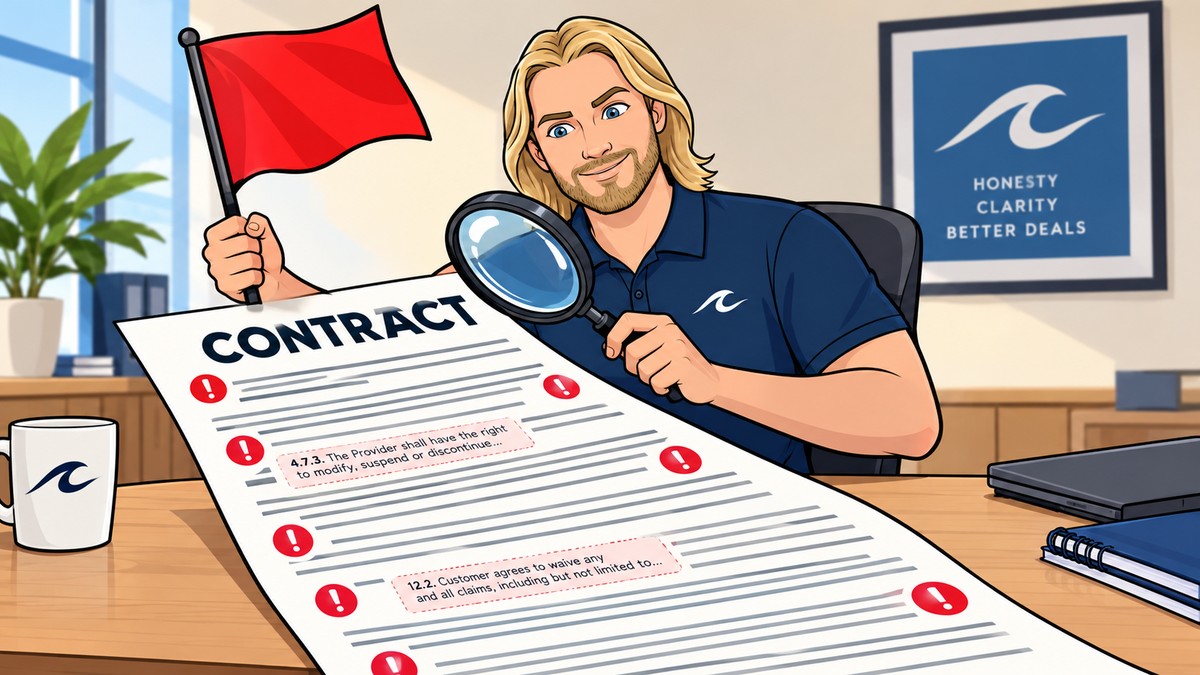
While a rolling reserve can be a hit to your cash flow, it is often the only way a processor will agree to take on a high-risk client. The good news is that these reserves are not permanent. If you maintain a clean processing history for six months to a year, many providers will reduce or even eliminate the reserve requirement. It is vital to read the fine print of your merchant agreement to understand exactly how much of your gross sales will be held and when those funds will be released back to you.
"A 'high risk' label is not a reflection of your business's value; it is a technical classification that requires a more sophisticated approach to payment security and cash flow management."
How Surcharging Helps High-Risk Merchants
High-risk processing fees are naturally higher than standard fees because the bank is taking on more liability. This can eat into your profit margins quickly. One of the most effective ways to combat these higher costs is through a legal surcharging or dual-pricing program. In many states, merchants can pass the cost of credit card processing directly to the customer. This means the customer pays a small fee (usually around 3% to 4%) for the convenience of using a credit card, while those who pay with cash receive a discount.
For a high-risk business, this can be a game-changer. Instead of paying 4% or 5% out of pocket for every transaction, you can essentially bring your processing costs down to near zero. However, there are strict rules you must follow, such as displaying proper signage at the point of sale and ensuring your POS system is programmed to handle the math correctly. You can see how this looks in action by viewing our live demo of modern terminals that support these programs automatically.
Common Mistakes When Applying for an Account
Many business owners get declined by high risk merchant account providers in usa because they are not prepared during the underwriting process. The first mistake is "shotgunning" applications. If you apply to ten different processors at once, it looks desperate and can actually hurt your chances. Instead, find one or two specialists and provide them with a complete application package from the start.
Another mistake is trying to hide your industry or your processing history. Underwriters are experts at finding the truth. If you try to frame a high-risk business as a low-risk one, your account will likely be shut down within weeks of your first transaction, and you may find yourself on the TMF list, making it nearly impossible to get an account in the future. Be honest about your chargeback history and show the steps you are taking to fix it. This transparency builds trust and makes an underwriter more likely to approve your file.
The Importance of Specialized POS Hardware
Finally, your hardware matters. High-risk businesses often operate in environments where security is paramount. Using a standard mobile reader might be fine for a farmers' market, but for high-risk retail or service businesses, you need a terminal that supports EMV chip technology and contactless payments to reduce the risk of fraud-related chargebacks. Modern smart terminals also allow you to capture digital signatures and store them securely, which provides essential evidence if a customer tries to dispute a legitimate charge later on.
By choosing the right high risk merchant account providers in usa and pairing them with robust hardware, you can build a stable foundation for your business. Don't let a "high risk" label stop you from growing. With the right strategy, you can accept every major card brand, protect your revenue, and keep your processing costs under control.
Ready to see your own numbers?
Run your real card volume through the calculator or apply in about two minutes.