
Restaurant Operations
Finding the Cheapest Way to Accept Credit Cards at Your Restaurant
The cheapest payment processing for restaurants isn't always the one with the lowest advertised percentage; it's the one that eliminates hidden fees and hardware markups.
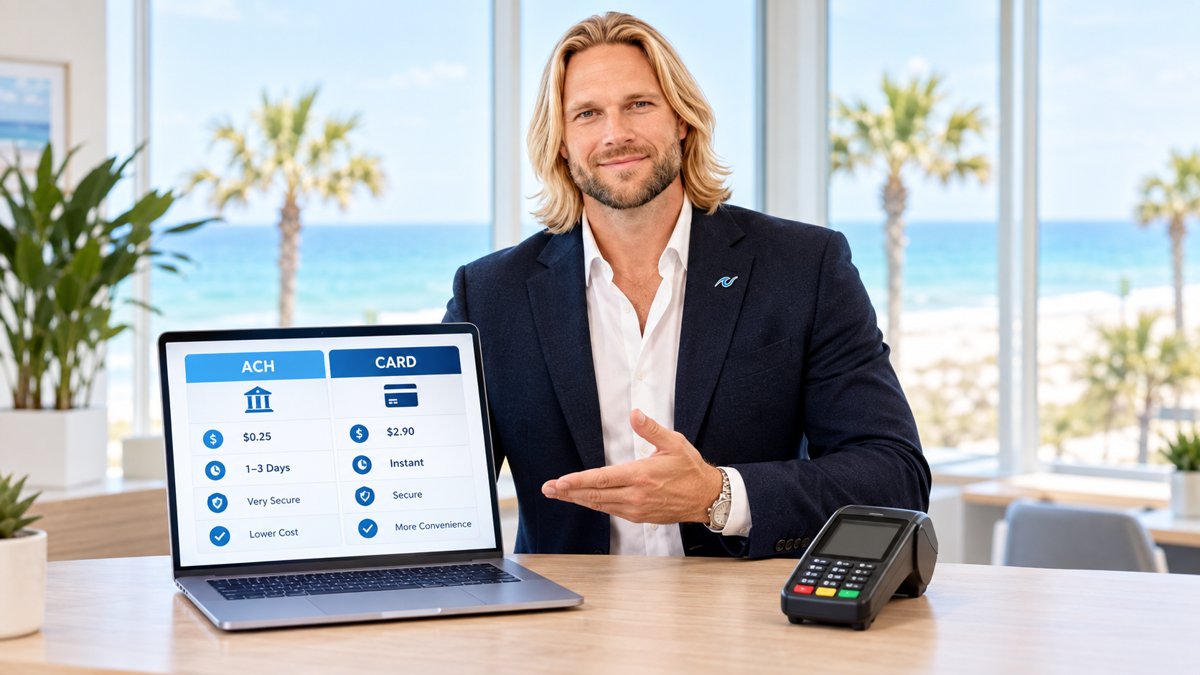
When restaurant owners look for "cheap" payment processing, they usually mean they want to keep more of their hard-earned money. With food costs rising, the 3% or more taken by credit card companies feels like a heavy tax on your labor. If you are currently researching your options, you should start by looking at our guide on the best credit card processing companies for restaurants to see how the top players stack up.

The Reality of "Cheap" Processing
In the restaurant world, processing costs come from three places: the software subscription, the hardware (terminals), and the transaction fees. A company might offer a "free" POS system but then charge you a much higher percentage on every taco or burger you sell. To find the truly cheapest option, you have to look at the total cost of ownership over a full year.
Toast vs. Clover vs. PayWavez: A Cost Comparison
Most restaurants find themselves choosing between these three. Here is how the costs actually break down for a typical mid-sized eatery:
- Toast: Best for high-volume, complex kitchens. However, they often require you to use their own processing, which can be more expensive than market rates. They win on niche features like deep inventory tracking, but you pay for it in monthly software fees.
- Clover: Great hardware and very flexible. You can find Clover through many different banks. The danger here is "vague pricing." One bank might charge you 2.5%, while another charges 4% for the exact same Clover station.
- PayWavez: Focuses on transparency and "Dual Pricing." By offering a small discount for cash or a standard price for cards, many restaurants reduce their processing bill to nearly zero.
According to industry data, the average restaurant spends between 2% and 4.5% of its total revenue on credit card processing fees alone.
How Dual Pricing Makes Processing Truly Cheap
The biggest secret to cheap processing isn't negotiating a 0.1% discount with a big bank. It is using a program called Dual Pricing. This is where your menu shows two prices: a card price and a cash price. When a customer pays with a card, that small fee covers the processing cost entirely. This allows the restaurant to keep 100% of the sale price. For many owners, this is the only way to reach a "zero-cost" processing model legally and transparently.
Don't Get Burned by Hardware Costs
Many "cheap" processors make their money back by selling you expensive tablets. Before you sign a contract, ask if you can use a Smart Terminal that handles both handheld ordering and countertop payments. These devices are often more durable and cheaper to maintain than consumer-grade iPads in a hot kitchen environment.
"The cheapest processor isn't the one with the best sales pitch; it's the one that shows you every fee on page one of the contract."
Local Support Matters for Your Bottom Line
If your system goes down on a Friday night in Pensacola or anywhere along the Gulf Coast, waiting 48 hours for a replacement terminal from a giant tech company costs you thousands in lost sales. Cheap processing must include reliable support. Sometimes, paying a few dollars more for a local partner who can hand-deliver a terminal saves you much more in the long run.
If you want to see exactly how these systems look in action, you can view a live demo of a modern, affordable restaurant setup. Finding the right fit means balancing the features you need with a price that doesn't eat your margins. For a deeper dive into the specific brands available, revisit our list of the best credit card processing companies for restaurants.
Ready to see your own numbers?
Run your real card volume through the calculator or apply in about two minutes.