
Restaurant Payments
Best Payment Processors for Restaurants? What Owners Need to Know in 2026
Choosing a payment partner is about more than just a low percentage; it's about finding a system that survives a dinner rush and protects your bottom line.

Finding the best payment processors for restaurants? is a critical decision for any owner looking to protect their margins in an industry where every penny counts. With food costs rising and labor markets tightening, the last thing you need is a merchant service provider that eats into your profits with hidden fees and unreliable hardware. We previously analyzed the best credit card processing companies for restaurants and found that transparency and support are the two most important factors for long-term success.
What Defines a Top-Tier Restaurant Processor?
The best payment processors for restaurants? aren't just companies that move money from a customer's card to your bank account. They are partners that understand the unique rhythm of the food service industry. A restaurant processor must handle high-volume transactions, manage tips accurately, and provide hardware that can withstand the heat and spills of a busy kitchen environment. When evaluating a provider, you should look for three main things: uptime reliability, transparent pricing models, and specialized hardware. If your system goes down on a Friday night at 7:00 PM, you need a partner who answers the phone immediately, not a corporate ticket system that takes 48 hours to respond.
best payment processors for restaurants?
When you search for the best payment processors for restaurants?, you will likely see big names like Square, Clover, and Toast. While these companies offer sleek hardware, they often lock merchants into "flat-rate" pricing models that can be significantly more expensive as your volume grows. For a restaurant doing $50,000 or more in monthly sales, a flat rate of 2.6% plus $0.10 can result in thousands of dollars in unnecessary costs compared to an interchange-plus model or a dual-pricing program. The best choice for your specific eatery depends on your average ticket size and how you handle tips. For example, a coffee shop with a $5 average ticket has very different needs than a fine-dining establishment with a $150 average ticket.
The best payment processor is the one that stays out of your way during a rush and keeps your hard-earned money in your bank account through transparent, fair pricing.
Understanding Interchange vs. Flat Rate Pricing
Most restaurant owners are familiar with the standard "one-size-fits-all" rate, but this is rarely the most cost-effective path. Interchange-plus pricing is widely considered the most transparent method. In this model, the processor passes the direct cost from the card brands (Visa, Mastercard, etc.) straight to you, adding a small, fixed margin on top. This allows you to see exactly what you are paying for. Conversely, flat-rate pricing hides the true cost of the transaction, meaning the processor pockets the difference when a customer uses a low-cost debit card. For businesses in the Gulf Coast, our Pensacola credit card processing experts often help owners transition from expensive flat rates to more sustainable, transparent models.
The Power of Dual Pricing and Surcharging
One of the fastest-growing trends in the restaurant industry is the move toward dual pricing. This allows a restaurant to offer a "cash price" and a "card price." Instead of the business owner absorbing the 3% or 4% fee for every transaction, the cost is passed to the customer who chooses the convenience of using a credit card. When implemented correctly with the right signage and POS programming, this can effectively bring your processing costs down to nearly zero. This is a game-changer for small businesses struggling with inflation. We also serve the wider region through our Alabama payment processing location hub, helping restaurants navigate the legal requirements of these programs to ensure they stay compliant while saving money.
POS Hardware: From Countertop to Handheld
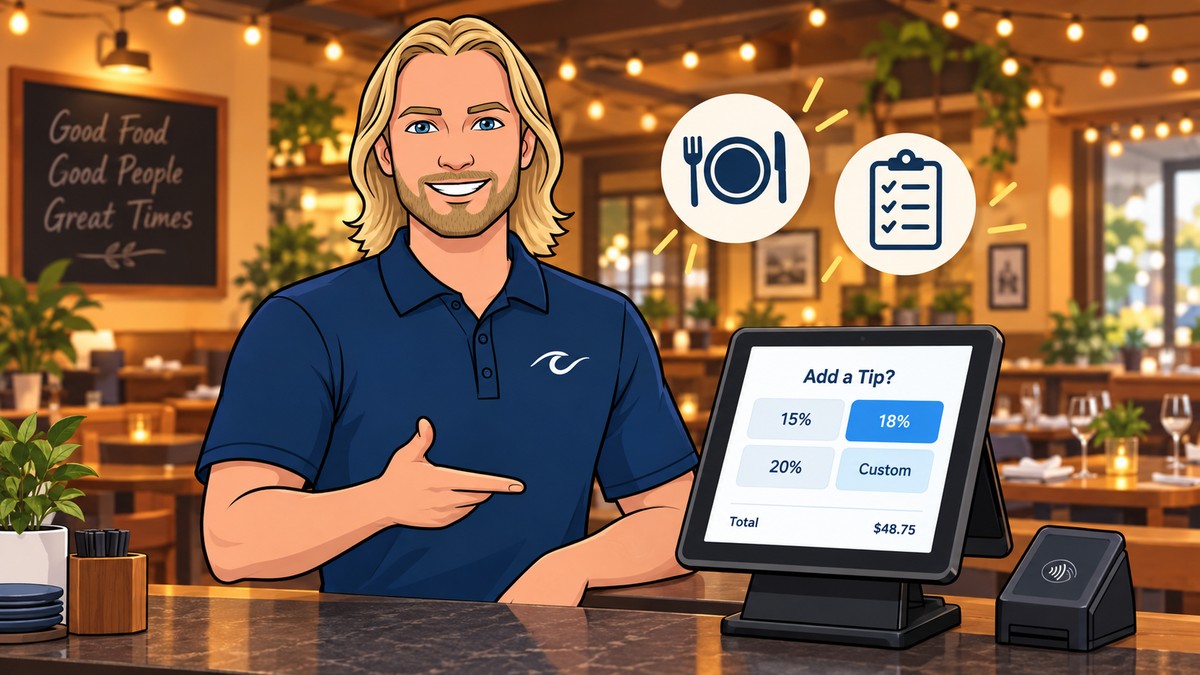
The physical way you take payments matters just as much as the rate. Modern restaurants are moving away from the single, bulky countertop terminal and toward handheld "pay-at-the-table" devices. These handheld units reduce the number of steps a server takes, speed up table turns, and increase tip percentages because the customer is prompted to tip right on the screen. However, these devices must be durable. In a restaurant, hardware is dropped, covered in flour, and splashed with water. The best processors provide ruggedized equipment that includes EMV chip readers and NFC technology for "tap-to-pay" options like Apple Pay and Google Pay. To see how our software and hardware handle these transactions, check out our live demo.
Managing Chargebacks and Disputes in Food Service
Chargebacks are a hidden cost that many restaurant owners overlook until they see a $100 deduction from their bank account. "Friendly fraud"—where a customer eats a meal and then disputes the charge with their bank—is unfortunately common. The best payment processors provide tools to help you fight these disputes. This includes keeping digital copies of receipts and ensuring every transaction is run through a secure EMV chip reader. If you swipe a card instead of using the chip, you lose your "liability shift" protection, making it almost impossible to win a dispute. A good processing partner will walk you through the evidence needed to win a reversal and protect your revenue.
How to Switch Processors Without Losing a Single Dinner Rush
The fear of downtime is the number one reason restaurant owners stay with a processor they hate. They worry that switching will mean a day of "Cash Only" signs and lost customers. In reality, a professional switch can happen in the background. We recommend setting up your new system and running it side-by-side with your old one for a few hours during a slow period to ensure the internet connection is stable and staff are trained. Once you are confident, you simply unplug the old terminal and start using the new one. Most modern processors can have you approved and your new hardware shipped within 24 to 48 hours, ensuring a seamless transition that doesn't impact your service.
Conclusion: Finding Your Ideal Payment Partner
At the end of the day, the best payment processors for restaurants? are the ones that offer a balance of fair pricing, reliable hardware, and local support. Don't be swayed by "free" hardware offers that come with high monthly fees or long-term contracts that are impossible to break. Instead, look for a partner that offers month-to-month service and is willing to sit down and explain your merchant statement line-by-line. To dive deeper into specific brand comparisons, revisit our guide on the best credit card processing companies for restaurants and start taking control of your business finances today.
Ready to see your own numbers?
Run your real card volume through the calculator or apply in about two minutes.